

Inflammation is one of the most misunderstood concepts in health. On one hand, it's your immune system's essential first-responder — the mechanism that heals a cut, fights infection, and repairs damaged tissue. On the other hand, when inflammation becomes chronic — smouldering quietly at a low level for months or years — it becomes one of the primary drivers of the world's most prevalent diseases.
Heart disease, type 2 diabetes, obesity, depression, Alzheimer's disease, several cancers — all have chronic inflammation as a common thread. And an increasing body of research confirms that what you eat is one of the most powerful modulators of your inflammatory status, for better or worse.
These aren't superfoods marketed by wellness influencers. These are 20 foods with substantive peer-reviewed research demonstrating genuine anti-inflammatory activity at amounts you can realistically eat.
1. What Is Chronic Inflammation — And Why Does It Matter?
Acute inflammation is protective. When you twist your ankle, your immune system floods the area with white blood cells, increased blood flow, and inflammatory chemicals that begin the repair process. This is healthy and necessary.
Chronic inflammation is different. It arises when the immune system maintains a low-level defensive posture indefinitely — without a clear threat to fight. Triggers include:
- Poor diet (particularly ultra-processed foods, refined sugars, and industrial seed oils)
- Excess visceral body fat, which produces inflammatory cytokines
- Chronic sleep deprivation
- Chronic psychological stress
- Environmental toxins and pollutants
- Dysbiosis (imbalanced gut microbiome)
- Sedentary behaviour
Key inflammatory markers that researchers measure include C-reactive protein (CRP), interleukin-6 (IL-6), tumour necrosis factor-alpha (TNF-α), and nuclear factor kappa B (NF-κB). Dietary interventions can meaningfully shift these markers.
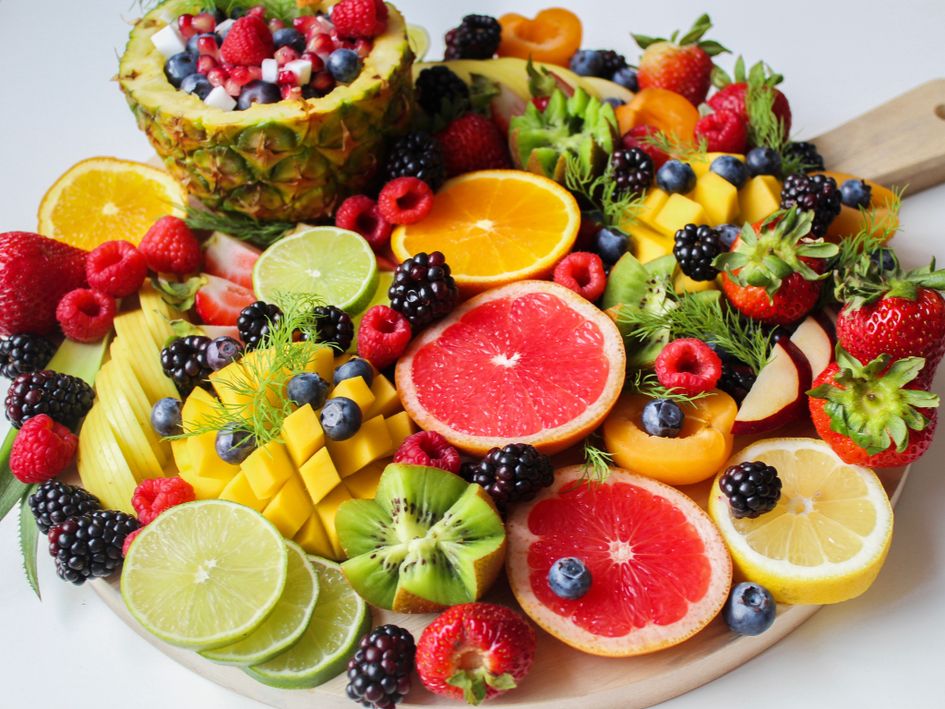
2. The 20 Best Anti-Inflammatory Foods
1. Fatty Fish (Salmon, Mackerel, Sardines)
The omega-3 fatty acids EPA and DHA found in fatty fish are converted in the body into compounds called resolvins and protectins — molecules that actively resolve inflammation. Multiple meta-analyses confirm omega-3 supplementation reduces CRP, IL-6, and TNF-α. Aim for 2–3 servings of fatty fish weekly.
2. Extra Virgin Olive Oil
Extra virgin olive oil (EVOO) contains oleocanthal — a polyphenol that inhibits the same inflammatory enzyme (COX) as ibuprofen. It also contains oleic acid, which reduces inflammatory gene expression. The Mediterranean diet's strong anti-inflammatory and cardiovascular benefits are substantially attributed to EVOO consumption. Use 2–4 tablespoons daily.
3. Turmeric (with Black Pepper)
Curcumin, the active compound in turmeric, is one of the most extensively researched anti-inflammatory agents in nature. It inhibits NF-κB, a molecule that activates inflammatory gene expression. The critical caveat: curcumin has poor bioavailability alone — consuming it with black pepper (piperine) enhances absorption by up to 2,000%.
4. Ginger
Gingerol and shogaol — the bioactive compounds in ginger — have demonstrated anti-inflammatory effects comparable to NSAIDs in some studies, particularly for exercise-induced muscle inflammation and osteoarthritis pain. Fresh ginger contains more gingerol; dried ginger contains more shogaol (which forms during drying).
5. Blueberries
Blueberries are among the highest polyphenol-containing foods per gram, with anthocyanins — the compounds responsible for their deep colour — demonstrating particularly strong anti-inflammatory and antioxidant effects. Research shows regular blueberry consumption reduces oxidative stress markers and improves vascular function.
6. Dark Leafy Greens (Spinach, Kale, Swiss Chard)
Leafy greens provide vitamin K, folate, magnesium, and a range of polyphenols that collectively suppress inflammatory signalling. Vitamin K in particular activates proteins that regulate inflammatory pathways. People eating the most leafy greens consistently show lower CRP levels in epidemiological research.
7. Broccoli and Cruciferous Vegetables
Sulforaphane — produced when broccoli is chopped or chewed — activates Nrf2, a master regulator of the body's antioxidant and anti-inflammatory defence systems. Cruciferous vegetables also provide indole-3-carbinol, which modulates oestrogen metabolism and has been linked to reduced inflammatory disease risk.
8. Walnuts
Unlike most nuts, walnuts are a significant plant-based source of alpha-linolenic acid (ALA) — a precursor to the anti-inflammatory omega-3 fatty acids. They also contain ellagitannins, which gut bacteria convert to urolithins — compounds with potent anti-inflammatory properties. A handful (28g) daily is associated with reduced CRP.
9. Tomatoes
Lycopene — the carotenoid responsible for tomatoes' red colour — is a powerful anti-inflammatory and antioxidant. Remarkably, lycopene becomes significantly more bioavailable when tomatoes are cooked and consumed with fat. Tomato sauce cooked in olive oil is genuinely more nutritious than raw tomatoes from a lycopene perspective.
10. Cherries (especially Tart Cherries)
Anthocyanins and cyanidin in cherries have demonstrated effects on inflammatory markers comparable to some pharmaceutical anti-inflammatories in small trials. Tart cherry juice specifically has shown reductions in post-exercise inflammation and muscle soreness, as well as improvements in sleep through melatonin content.
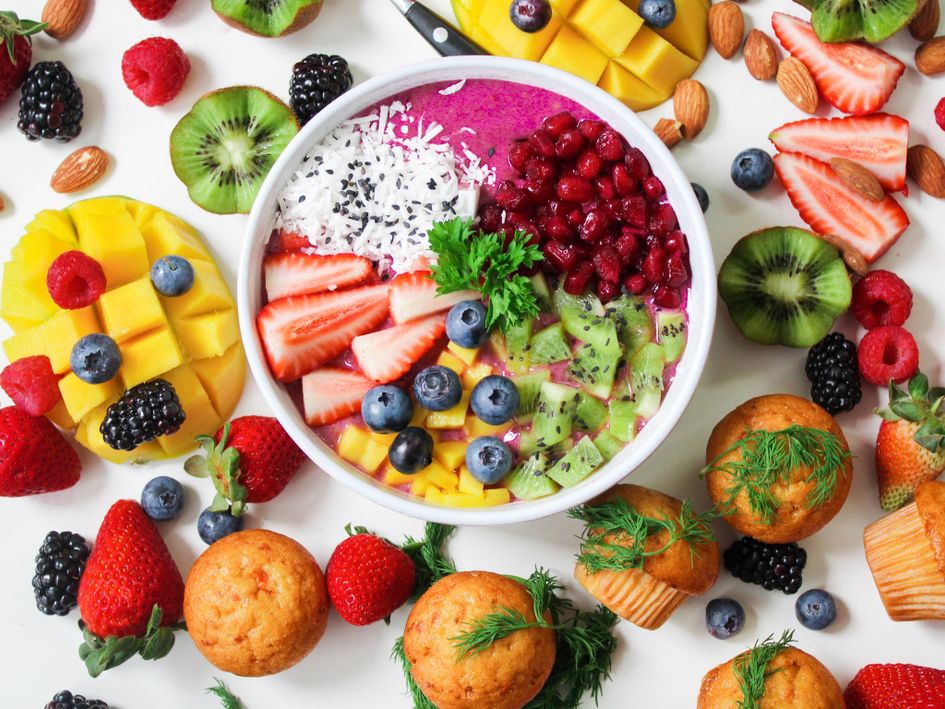
11. Avocado
Avocados are rich in monounsaturated oleic acid, tocols (vitamin E forms), and carotenoids that demonstrate consistent anti-inflammatory effects. They also uniquely enhance the absorption of carotenoids from other vegetables eaten in the same meal — making avocado-based salads even more anti-inflammatory than the individual ingredients suggest.
12. Green Tea
Epigallocatechin gallate (EGCG) — the predominant catechin in green tea — inhibits NF-κB and reduces pro-inflammatory cytokine production. Regular green tea consumption is associated in population studies with reduced inflammatory markers, lower risk of type 2 diabetes, and improved cardiovascular outcomes. Matcha provides the highest EGCG concentration.
13. Dark Chocolate (70%+ Cacao)
Cocoa flavanols — particularly epicatechin — reduce inflammation through multiple pathways including NF-κB inhibition and improvement of the gut microbiome composition. Studies show 40–70g of high-cacao dark chocolate daily reduces inflammatory markers and improves endothelial function. Milk chocolate does not have the same effect.
14. Garlic
Allicin, produced when raw garlic is crushed or chopped, has well-documented antimicrobial and anti-inflammatory effects. Aged garlic extract has demonstrated reductions in CRP and other inflammatory markers in several randomised trials. Letting crushed garlic sit for 10–15 minutes before cooking maximises allicin formation.
15. Bone Broth and Collagen-Rich Foods
Glycine — the most abundant amino acid in collagen and bone broth — has demonstrated anti-inflammatory effects in multiple preclinical and some human studies, particularly in gut inflammation and joint health. Bone broth's effect on gut lining integrity may also reduce systemic inflammatory load by preventing "leaky gut" mediated immune activation.
16. Fermented Foods (Kimchi, Kefir, Sauerkraut, Yogurt)
A 2021 Stanford University study published in Cell found that a high-fermented food diet significantly increased microbiome diversity and reduced 19 inflammatory proteins in humans — a more powerful effect than a high-fibre diet in the same study. Diverse gut microbiomes produce short-chain fatty acids that regulate immune function and suppress inflammation.
17. Flaxseeds
Ground flaxseeds are the richest plant source of ALA omega-3s and also provide lignans — polyphenols with demonstrated anti-inflammatory and hormone-balancing effects. Importantly, flax must be ground (not whole) for meaningful nutrient absorption. 1–2 tablespoons of ground flaxseed daily is a practical target.
18. Beans and Legumes
Legumes provide fibre that feeds beneficial gut bacteria, producing butyrate and other short-chain fatty acids that directly suppress intestinal inflammation. Their polyphenol content — particularly in black beans, kidney beans, and lentils — also contributes directly to anti-inflammatory signalling. Regular legume consumption is associated with reduced CRP in prospective cohort studies.
19. Beets
Betanin, the pigment in red beets, has demonstrated anti-inflammatory effects in multiple studies, including reducing NF-κB activation. Beets also provide nitrates (for blood pressure) and betalains — a unique class of antioxidant pigments with broad health benefits not found in most other foods.
20. Mushrooms (Shiitake, Maitake, Reishi)
Medicinal mushrooms contain beta-glucans — polysaccharides that modulate immune function and have demonstrated anti-inflammatory, anti-tumour, and antiviral properties in peer-reviewed research. Shiitake and maitake are the most evidence-backed for general inflammation. Reishi has additional adaptogenic properties but lower culinary use.
3. Foods That Fuel Inflammation
Understanding what to add is only half the equation. These are the primary dietary drivers of chronic inflammation that research consistently identifies:
- Ultra-processed foods: The NOVA classification system identifies ultra-processed foods — characterised by long ingredient lists featuring additives, emulsifiers, and industrial ingredients — as the strongest dietary promoters of inflammatory markers.
- Refined carbohydrates and added sugars: Drive insulin spikes, activate NF-κB, and feed pathogenic gut bacteria.
- Industrial seed oils high in omega-6: Corn, soybean, sunflower, and canola oils dominate modern diets and skew the omega-6:omega-3 ratio — with excess omega-6 serving as a precursor to pro-inflammatory eicosanoids.
- Trans fats: Now largely banned in many countries, but still present in some products. Strongly pro-inflammatory.
- Excessive alcohol: Disrupts gut barrier integrity, promotes endotoxin translocation, and elevates inflammatory cytokines.
- Processed meats: Nitrates, nitrites, and advanced glycation end-products (AGEs) formed during high-heat cooking drive inflammatory signalling.

4. Building an Anti-Inflammatory Diet Pattern
Individual foods matter, but dietary pattern matters more. The Mediterranean diet — rich in olive oil, fish, vegetables, fruits, whole grains, nuts, and legumes — is the most extensively researched anti-inflammatory dietary pattern. Multiple large trials (including PREDIMED) have demonstrated it reduces cardiovascular events, type 2 diabetes incidence, and inflammatory markers.
A practical framework for an anti-inflammatory eating pattern:
- Every meal: At least one serving of vegetables or fruit (aim for colour variety)
- Daily: Extra virgin olive oil as primary cooking fat; nuts (especially walnuts) as a snack
- 3–4x weekly: Fatty fish; fermented foods; legumes
- Regular: Spices — turmeric, ginger, garlic — in cooking rather than supplements
- Limit: Ultra-processed foods, refined sugars, excess red meat, industrial seed oils
Frequently Asked Questions
How long does it take for an anti-inflammatory diet to work?
Many people report reduced joint stiffness, improved energy, and better digestion within 2–4 weeks of consistently following an anti-inflammatory eating pattern. Measurable reductions in CRP and other inflammatory markers typically appear within 4–12 weeks in studies. Full benefits for chronic conditions may take 3–6 months of sustained dietary change.
Is turmeric truly anti-inflammatory, or is it overhyped?
Turmeric has genuine, well-documented anti-inflammatory activity through curcumin's inhibition of NF-κB and COX enzymes. However, the clinical evidence is mixed because curcumin has poor oral bioavailability. Consuming it with piperine (black pepper) or in fat-soluble forms significantly improves absorption. As a food spice, turmeric is excellent. As a standalone supplement without bioavailability enhancement, evidence is weaker.
Can anti-inflammatory foods help with joint pain and arthritis?
Yes — for both osteoarthritis and rheumatoid arthritis, dietary interventions have demonstrated meaningful symptom improvement. A Mediterranean-style anti-inflammatory diet has shown reductions in pain scores and inflammatory markers in people with rheumatoid arthritis. Omega-3 supplementation specifically has demonstrated reductions in joint swelling and morning stiffness. Results are typically gradual over several weeks to months.
Conclusion: Food Is Powerful Medicine
The 20 foods in this guide aren't exotic treatments. They're the building blocks of dietary patterns humans have thrived on for millennia — and modern science is now precisely explaining why they work.
The goal isn't to eat each of these foods every single day. It's to shift your overall dietary pattern toward these ingredients consistently, while reducing the processed, refined, and pro-inflammatory foods that characterise the modern diet.
Small, sustained changes compound into significant biological transformation over time. Your inflammatory status — and the disease risk it carries — is far more within your control than most people realise.
Subscribe to Health Reflected for weekly evidence-based nutrition guides, recipes, and expert Q&As.
Subscribe Free →



Leave a Reply