
Nearly 1.28 billion adults worldwide live with hypertension — and the majority don't know it. Blood pressure is often called the "silent killer" not as hyperbole, but because it genuinely produces no symptoms while silently damaging your arteries, heart, kidneys, and brain over years.
The good news? Blood pressure is one of the most modifiable cardiovascular risk factors. Lifestyle changes alone can reduce systolic blood pressure by 10–20 mmHg in many people — enough to move from hypertensive to pre-hypertensive, or from pre-hypertensive to normal — without medication.
This guide covers 12 specific, evidence-backed interventions, what the research actually says about each, and how to implement them practically in your daily life.
1. Understanding Your Blood Pressure Numbers
Before you can lower your blood pressure, you need to understand what you're measuring. A blood pressure reading has two numbers:
- Systolic (top number): The pressure in your arteries when your heart beats. Normal: below 120 mmHg.
- Diastolic (bottom number): The pressure between beats when your heart is resting. Normal: below 80 mmHg.
| Category | Systolic (mmHg) | Diastolic (mmHg) |
|---|---|---|
| Normal | Less than 120 | Less than 80 |
| Elevated | 120–129 | Less than 80 |
| High (Stage 1) | 130–139 | 80–89 |
| High (Stage 2) | 140 or higher | 90 or higher |
| Hypertensive Crisis | Higher than 180 | Higher than 120 |
2. Dietary Changes That Reduce Blood Pressure
Follow the DASH Diet
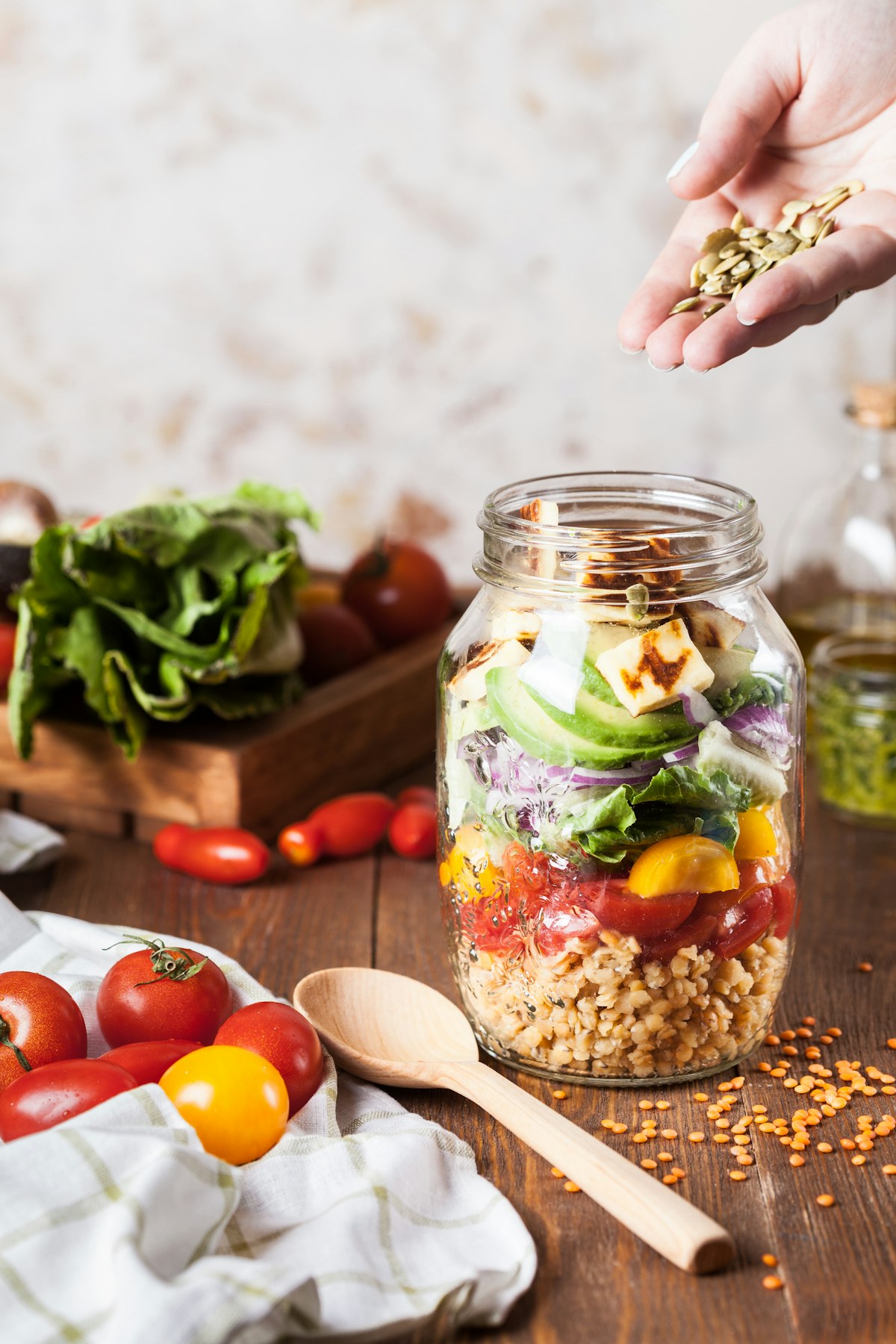
The Dietary Approaches to Stop Hypertension (DASH) diet remains the most clinically validated dietary approach for reducing blood pressure. In landmark NIH-funded trials, the DASH diet reduced systolic blood pressure by 8–14 mmHg — comparable to some medications. It emphasises:
- Fruits and vegetables (8–10 servings daily)
- Whole grains over refined carbohydrates
- Low-fat dairy for calcium and potassium
- Lean protein sources (fish, poultry, legumes)
- Nuts and seeds in moderation
- Severely limited red meat, added sugar, and saturated fat
Reduce Sodium — But Be Strategic
Most guidelines recommend keeping sodium below 2,300mg daily (ideally 1,500mg for those with hypertension). But here's what many people miss: the sodium-to-potassium ratio matters as much as absolute sodium intake. Increasing potassium (through bananas, sweet potatoes, leafy greens, and beans) while reducing sodium simultaneously produces greater blood pressure reductions than sodium restriction alone.
Increase Dietary Nitrates
Dietary nitrates — found abundantly in beetroot, leafy greens, and celery — are converted in the body to nitric oxide, a potent vasodilator that relaxes blood vessel walls. A 2022 meta-analysis in the British Journal of Nutrition found that beetroot juice consumption reduced systolic BP by an average of 3.55 mmHg — modest but meaningful as part of a broader strategy.
Limit Alcohol
Regular alcohol consumption raises blood pressure — even moderate intake. Reducing from more than 3 drinks daily to 1–2 can reduce systolic BP by 4–6 mmHg. The relationship is dose-dependent: the more you drink, the higher your pressure rises.
3. Exercise Strategies for Hypertension
Physical activity is one of the most powerful non-pharmacological interventions for blood pressure. Regular aerobic exercise can reduce systolic BP by 5–8 mmHg in hypertensive individuals — and the effect is most pronounced in those starting from a sedentary baseline.
Aerobic Exercise: The Foundation
Aim for 150 minutes of moderate-intensity aerobic exercise weekly, distributed across most days. Walking briskly, cycling, swimming, and dancing all qualify. The blood pressure benefit begins almost immediately — within 1–2 weeks of consistent exercise — and compounds over months.
Resistance Training: Often Overlooked
Structured resistance training (2–3 sessions per week) has been shown to reduce systolic BP by 3–6 mmHg independently of aerobic exercise. Focus on higher repetitions (12–20) with moderate loads rather than heavy maximal lifts if managing hypertension.
Isometric Exercise: The Underrated Option
One of the most compelling emerging areas is isometric exercise — particularly handgrip training. A meta-analysis in the Journal of Hypertension found that isometric resistance training reduced systolic BP by an impressive 8.24 mmHg. Even wall sits performed for 4 sets of 2 minutes, 3 times weekly, showed meaningful reductions in clinical trials.
4. Stress Management and Blood Pressure
Chronic psychological stress activates the sympathetic nervous system and hypothalamic-pituitary-adrenal (HPA) axis, triggering cortisol and adrenaline release — both of which raise blood pressure acutely and, with chronic activation, chronically.
Mind-Body Practices With Evidence
- Transcendental Meditation: A 2017 meta-analysis showed average reductions of 4.26/2.33 mmHg with regular TM practice.
- Slow-paced breathing: Breathing at 6 breaths per minute for 15 minutes daily has demonstrated consistent BP reductions in multiple trials. Devices like Resperate are FDA-approved for this purpose.
- Yoga: A 2019 Cochrane review found yoga reduced systolic BP by 5 mmHg compared to no exercise — though evidence quality was moderate.
- Mindfulness-Based Stress Reduction (MBSR): Eight-week MBSR programs have produced clinically meaningful blood pressure reductions in several randomised trials.

5. The Sleep-Blood Pressure Connection
Blood pressure naturally dips 10–20% during sleep in healthy individuals — a phenomenon called "nocturnal dipping." When this doesn't happen (in "non-dippers"), cardiovascular risk rises significantly.
Poor sleep quality and short sleep duration (under 6 hours) are independently associated with higher blood pressure. A large cohort study published in JAMA Internal Medicine found that sleeping less than 5 hours nightly was associated with a 61% higher risk of developing hypertension.
Practical sleep improvements for blood pressure:
- Maintain a consistent sleep-wake schedule, including weekends
- Keep your bedroom cool (16–18°C/61–65°F) and completely dark
- Avoid alcohol within 3 hours of bedtime (it fragments sleep architecture)
- Treat obstructive sleep apnoea — it's a major reversible driver of hypertension
- Limit screen exposure within 60 minutes of sleep
6. Evidence-Based Supplements for Blood Pressure
Several supplements have earned reasonably strong evidence in clinical trials for modest blood pressure reduction. None replace lifestyle intervention or medication, but they may complement a broader strategy:
Magnesium
Magnesium deficiency is extremely common (studies suggest 45% of Americans don't meet daily requirements) and is associated with higher blood pressure. Supplementing with 300–500mg daily of magnesium glycinate or malate has shown average systolic reductions of 2–4 mmHg in deficient individuals.
Potassium
Supplemental potassium (from food or supplements) consistently reduces blood pressure, particularly in high-sodium diets. The mechanism involves sodium excretion via the kidneys. Those with kidney disease should consult a doctor before supplementing.
Omega-3 Fatty Acids
Fish oil at doses of 3g+ daily has demonstrated blood pressure reduction in meta-analyses, particularly in hypertensive individuals. EPA and DHA appear to be the active components.
Hibiscus Tea
Multiple randomised trials have found that 2–3 cups of hibiscus tea daily reduces systolic BP by 6–7 mmHg in pre-hypertensive to mildly hypertensive adults. It's one of the few herbal interventions with reasonably consistent clinical evidence.
Frequently Asked Questions
How quickly can lifestyle changes lower blood pressure?
Some changes — particularly reducing sodium, increasing potassium, and beginning regular exercise — can produce measurable reductions within 1–4 weeks. Dietary approaches like DASH typically show their full effect within 2–3 months. Sleep improvements can lower blood pressure within days of better rest. Expect meaningful cumulative results within 8–12 weeks of consistent lifestyle changes.
What lowers blood pressure fast in an emergency?
If your blood pressure is above 180/120 mmHg with symptoms (chest pain, shortness of breath, severe headache, vision changes), seek emergency medical care immediately. This is a hypertensive crisis requiring immediate treatment. At home, sitting quietly, taking prescribed medication, and deep slow breathing can provide temporary modest reductions — but do not replace emergency care.
Which foods should I avoid with high blood pressure?
Foods to limit include: processed and packaged foods (high hidden sodium), deli meats, canned soups, pickled foods, soy sauce, alcohol, caffeinated beverages in excess, added sugars (particularly fructose), and saturated fats from red meat and full-fat dairy. Restaurant meals — particularly fast food — are among the highest sodium sources for most people.
Can anxiety cause high blood pressure?
Acute anxiety triggers a temporary blood pressure spike through adrenaline release. Chronic anxiety and psychological stress can contribute to persistently elevated blood pressure over time through ongoing activation of the stress response system. Treating anxiety — through therapy, medication, or evidence-based stress management — can contribute to blood pressure improvement.
Conclusion: Your Blood Pressure Is in Your Hands
Lowering blood pressure naturally is entirely possible for many people — but it requires genuine lifestyle commitment, not occasional effort. The strategies in this guide aren't quick fixes. They're sustainable practices that, applied consistently over months, can produce clinically meaningful blood pressure reductions with profound long-term cardiovascular benefits.
Start with the highest-impact changes: dietary modification (particularly sodium reduction and DASH principles), regular aerobic exercise, and improving sleep quality. Layer in stress management, targeted supplements, and home monitoring as you build momentum.
Work with your doctor. Track your readings. Be patient with the process.
Get our free weekly newsletter packed with evidence-based health guides, meal plans, and wellness tips.



Leave a Reply