

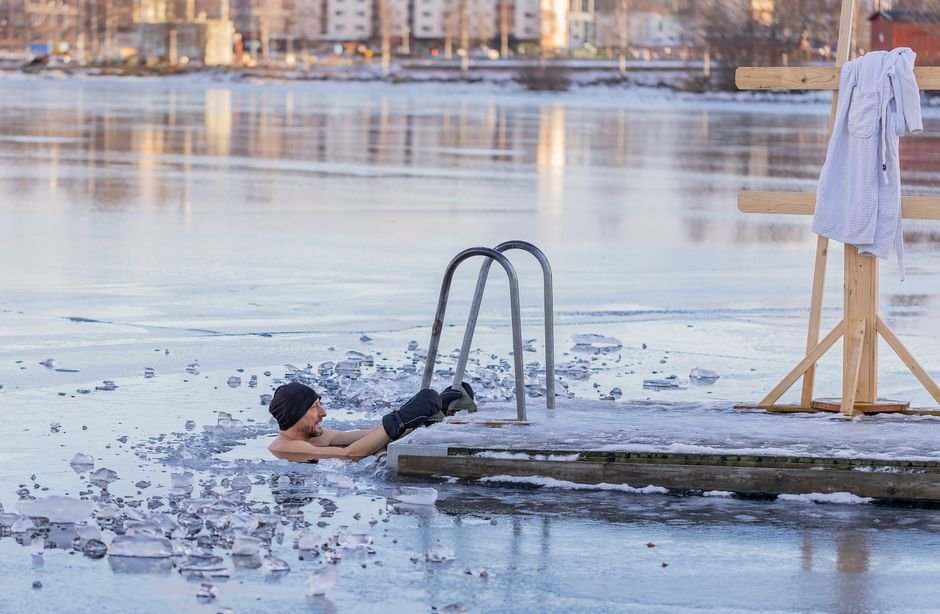
Cold water immersion — ice baths, cold plunges, cold showers — has exploded from an athlete recovery technique used in professional sports into a mainstream wellness practice, largely driven by social media figures like Wim Hof and scientific communicators like Andrew Huberman. Like most wellness trends, reality lies between the evangelical enthusiasm of advocates and the complete dismissal of sceptics. Some benefits of cold exposure are well-supported by genuine clinical evidence; others are significantly overstated.
This guide provides an honest, evidence-based assessment of what cold water immersion actually does — and does not do — for the human body.
What Is Cold Plunge / Cold Water Immersion (CWI)?
Cold water immersion involves submerging the body (or parts of it) in water typically between 10-15°C (50-59°F) for 1-15 minutes. ‘Cold plunge’ specifically refers to full or near-full body immersion in a plunge pool or tub at these temperatures. ‘Cold shower’ involves running cold water over the body — typically less physiologically intense due to intermittent contact and air temperature effects on the remainder of the body.
The Physiology: What Happens in Your Body
Cold exposure triggers a cascade of well-characterised physiological responses:
Immediate (0-30 seconds): The cold shock response — involuntary gasping, heart rate spike (up to 30-40 bpm increase), blood pressure elevation, and peripheral vasoconstriction (blood vessels near the skin contract to preserve core temperature). This phase is the highest-risk period for cardiac events.
Short-term (1-15 minutes): Norepinephrine (noradrenaline) release increases dramatically — by 200-300%. Core temperature begins to fall if immersion continues. Brown adipose tissue (BAT) is activated if the individual has adapted to cold. Metabolic rate increases to generate heat.
Post-immersion (hours): Peripheral vasodilation (reactive hyperaemia) — blood rushes back to previously constricted areas, producing warmth and characteristic ‘glow.’ Norepinephrine elevation persists for hours. If done regularly, cold adaptation produces physiological changes including increased BAT activity, improved vascular tone, and altered autonomic nervous system responses.
Evidence-Based Benefits
1. Athletic Recovery — Strongest Evidence
Cold water immersion for post-exercise recovery has the most robust clinical evidence of any cold exposure benefit. Multiple meta-analyses confirm CWI reduces muscle soreness (DOMS) by approximately 20-30% at 24-96 hours post-exercise compared to passive recovery. The mechanism: vasoconstriction reduces inflammatory mediator accumulation in exercised tissue, reducing swelling and pain. Practical protocol: 10-15 minutes at 10-15°C within 30 minutes of completing exercise.
Important caveat for muscle building: a 2015 study found that regular post-training cold immersion significantly blunted long-term muscle strength and hypertrophy gains compared to active recovery — by reducing the acute inflammatory response required for adaptation. Cold immersion is beneficial for performance athletes managing game/competition frequency; it is counterproductive for those training for maximum muscle growth. Do not use CWI within 4-6 hours of resistance training sessions focused on muscle development.
2. Norepinephrine and Mood
The 200-300% increase in norepinephrine during cold exposure produces real, measurable effects on mood, alertness, and energy — norepinephrine is both a stress hormone and a key neurotransmitter for arousal, focus, and mood regulation. A 2022 study found regular cold water immersion reduced depression and fatigue scores significantly. The duration of elevated norepinephrine post-immersion (several hours) means the mood-enhancing effect of morning cold exposure influences alertness and focus through the working day for most practitioners.
3. Metabolic and Brown Fat Activation
Cold exposure activates brown adipose tissue (BAT) — a metabolically active type of fat that burns energy to generate heat. Repeated cold exposure increases BAT volume and activity over weeks to months. BAT activation improves insulin sensitivity and glucose metabolism — a mechanism that has generated significant research interest for metabolic disease prevention. However, the absolute metabolic contribution in most people is modest: activated BAT increases daily energy expenditure by approximately 100-200 calories — meaningful but not dramatic for weight management.
4. Improved Vascular Function and Resilience
Regular cold exposure trains the cardiovascular system to manage rapid vasoconstriction and dilation efficiently — improving vascular tone and autonomic nervous system flexibility. This vascular training effect is analogous to cardiovascular exercise training: the repeated challenge produces adaptation. Population studies in Scandinavian countries (where cold bathing is cultural) show improved vascular health markers compared to equivalent populations without cold exposure practices.
5. Mental Resilience and Stress Tolerance
The cold shock response requires active physiological control — deliberately slowing breathing during the cold shock response trains the autonomic nervous system’s ability to downregulate acute stress responses. Practitioners consistently report that the daily practice of voluntarily entering cold discomfort builds psychological resilience that transfers to other stressful situations. While this effect is difficult to measure objectively, it is consistently reported and mechanistically plausible.
Real Risks and Who Should Avoid CWI
Cardiovascular Risk
The cold shock response (gasping, heart rate spike, blood pressure elevation in the first 30 seconds) is the primary risk of cold water immersion. In people with undiagnosed cardiovascular disease, cardiac arrhythmias, or significant hypertension, this acute stress can trigger cardiac events. Cold water drowning deaths are frequently attributed to cold shock-induced incapacitation rather than hypothermia. Starting gradually (cold showers before cold plunges) allows cardiovascular adaptation.
Hypothermia Risk
Extended cold water immersion (above 15-20 minutes at 10-15°C) risks progressive hypothermia. Practical protocol limits CWI to 2-15 minutes — sufficient for benefits while avoiding prolonged cold exposure risks.
Who Should Avoid CWI
- People with known heart disease, arrhythmias, or uncontrolled hypertension
- Those with Raynaud’s disease (cold-triggered vasospasm)
- People with active infections or immune-compromised states
- Pregnant women
- Anyone with recent surgery or open wounds
How to Start Cold Plunge Safely
- Week 1-2: End showers with 30 seconds cold — building tolerance gradually
- Week 3-4: Extend cold shower to 2-3 minutes
- Month 2: Try partial cold immersion (feet and lower legs first)
- Month 3+: Full cold plunge at 15°C for 2-5 minutes
- Always: Never enter cold water alone; have someone present for first sessions
Cold Plunge vs Cold Shower: The Difference
Cold showers provide a meaningful stimulus — cold shock response, norepinephrine release, and mental fortitude practice — but produce significantly less physiological intensity than full immersion. The water-air interface in showering means much of the body is not immersed at any time, and air temperature provides partial warming. For recovery and BAT activation, full immersion in a tub (or cold lake/sea) is significantly more effective. Cold showers are an excellent entry point and daily maintenance practice; plunges are the higher-intensity protocol for those seeking maximum physiological effect.
Cold Plunge and Sleep: An Important Timing Consideration
Cold water immersion raises core body temperature in the hours following exposure (the reactive hyperaemia rebound effect) and significantly elevates norepinephrine and cortisol — both of which can interfere with sleep onset if practised too close to bedtime. Most sleep researchers recommend completing any cold exposure practice at least 3-4 hours before intended sleep time. Morning or early afternoon cold plunge sessions align well with the natural cortisol awakening response and avoid this sleep-disrupting timing conflict, while evening cold exposure is more likely to produce alertness that interferes with the wind-down process essential for quality sleep.
Frequently Asked Questions
How cold does the water need to be for cold plunge benefits?
Most research demonstrating recovery and metabolic benefits used water temperatures of 10-15°C (50-59°F). Benefits diminish significantly above 15°C — water above 20°C provides minimal cold shock response. Below 10°C provides marginal additional benefit while significantly increasing discomfort and risk. The practical target is 10-15°C — achievable with ice added to a bathtub for most Indian climates where tap water is typically above this range.
Should I take a cold plunge every day?
Daily cold exposure (cold showers) is safe and beneficial for most healthy adults. Cold plunges (full immersion) are typically practised 3-5 times per week in the research and practitioner community — daily use is safe for adapted individuals but may increase cardiovascular strain in those new to the practice. The key exception: avoid cold immersion within 4-6 hours of resistance training if muscle growth is a goal, as it blunts the anabolic adaptation response.
Does cold plunge burn fat?
Cold exposure activates brown adipose tissue (BAT) which burns energy to generate heat — increasing daily energy expenditure by approximately 100-200 calories. Over weeks of consistent practice, this contributes modestly to fat loss and improves insulin sensitivity. The effect is real but not dramatic — cold plunge supports weight management through metabolic improvement rather than significant direct caloric burning. It is most effectively combined with diet and exercise rather than used as a standalone fat loss intervention.
Subscribe Free →


Leave a Reply