

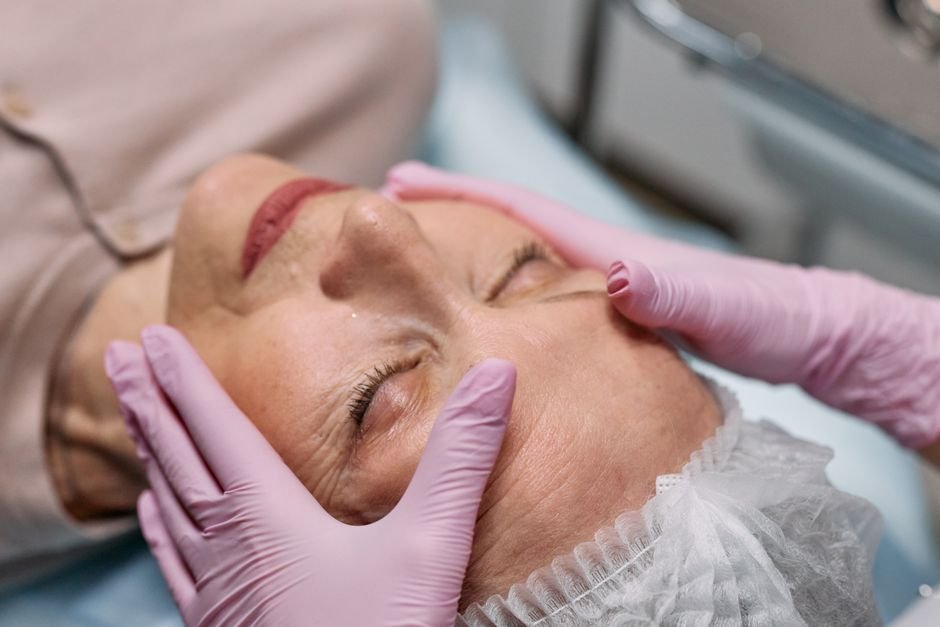
The skincare industry generates over $180 billion annually, much of it from products making anti-ageing claims that would never survive clinical scrutiny. Within this landscape, a small number of ingredients have accumulated genuinely impressive evidence from randomised controlled trials and dermatological research for their ability to reduce visible ageing.
The Science of Skin Ageing
Intrinsic ageing is genetically determined — gradual collagen decline (~1%/year after 25), elastin loss, reduced cell turnover, and dermal thinning. Extrinsic ageing is environmental — UV radiation, pollution, and sugar (through glycation) dramatically accelerate intrinsic processes. UV radiation causes approximately 80% of visible facial ageing — making daily SPF the single most potent anti-ageing intervention, more effective than any active ingredient.
7 Ingredients With Genuine Evidence
1. Retinoids (Retinol, Retinaldehyde, Tretinoin). The gold standard — bind to nuclear receptors, stimulating collagen, accelerating cell turnover, and inhibiting collagen-degrading enzymes. Multiple RCTs demonstrate visible wrinkle reduction after 12-24 weeks. Hierarchy: Tretinoin (prescription) > Retinaldehyde (OTC, 11x more potent than retinol) > Retinol.
2. Vitamin C (L-Ascorbic Acid). Neutralises free radical damage, stimulates collagen synthesis, inhibits melanin. Requires 10-20% concentration, pH 3-3.5, and dark packaging. Oxidised (yellow-brown) vitamin C is ineffective.
3. Niacinamide (B3). Reduces ceramide loss, inhibits melanosome transfer (reduces hyperpigmentation), reduces sebum, and demonstrates anti-inflammatory effects. Well-tolerated by all skin types including sensitive skin.
4. Sunscreen (SPF 30+ Broad Spectrum). A split-face study of Australian adults found daily sunscreen over 4 years produced measurably younger-looking skin than the unprotected side — more dramatically than any topical active.
5. Peptides. Short amino acid sequences signalling cells to produce collagen. Most studied: Matrixyl, Argireline, Copper peptides. Less robust evidence than retinoids but clinical studies show improvements in firmness and wrinkle depth.
6. Hyaluronic Acid. Holds 1,000x its weight in water. Low molecular weight HA can penetrate the dermis and stimulate collagen. Products combining multiple molecular weights address both surface and dermal mechanisms.
7. AHAs (Glycolic Acid, Lactic Acid). Chemically exfoliate, accelerate cell turnover, and improve penetration of other actives. Glycolic acid at 5-15% has demonstrated collagen stimulation in clinical trials.

Ingredients to Skip
- Stem cells in skincare: Plant-derived stem cells cannot affect human skin biology
- Collagen creams: Molecules too large to penetrate skin — moisturises only, does not replace dermal collagen
- Most lifting or firming creams: No topical ingredient can replicate structural changes achieved by retinoids or professional treatments
Simple Evidence-Based Routine
Morning: Gentle cleanser → Vitamin C serum (10-20%) → Niacinamide → Moisturiser → SPF 30+ (non-negotiable)
Evening: Double cleanse → Retinol (2-3 nights weekly initially) → Hyaluronic acid → Niacinamide → Rich moisturiser
Weekly: AHA exfoliant 1-2 times on non-retinol nights
Frequently Asked Questions
At what age should you start retinol?
Dermatologists recommend starting in your mid-to-late 20s — not to correct existing damage but to slow the collagen decline beginning around 25. Start with 0.025% retinol 1-2 nights weekly and gradually increase over years.
Can you use vitamin C and retinol together?
Yes, but in sequence. Vitamin C in the morning (antioxidant protection against daily UV). Retinol in the evening (photosensitive, best used at night). Layering together causes irritation and reduces both ingredients’ stability.
Subscribe Free →



Leave a Reply