

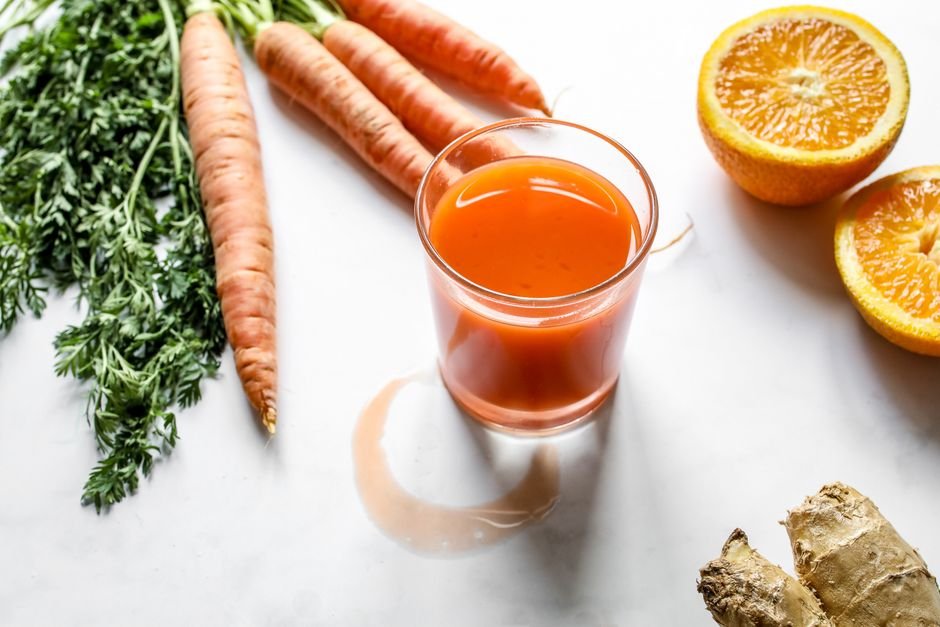
Cold and flu season places extra demand on the immune system right as the foods that support it become somewhat less abundant. This guide focuses specifically on winter’s seasonal nutrition challenges and the foods best suited to meeting them — a more targeted companion to our broader year-round guide to immune-boosting foods.
Why Immune Health Needs Extra Attention in Winter
Several factors converge in winter to increase the burden on immune function: reduced sunlight lowers vitamin D synthesis, more time spent indoors increases exposure to circulating respiratory viruses, and colder temperatures may modestly affect the immune response of the upper respiratory tract’s mucous membranes. Nutrition can’t eliminate these seasonal risks, but a well-chosen winter diet genuinely supports the body’s ability to respond effectively when exposure does occur.
Key Nutrients for Winter Immune Support
Vitamins C, D, and zinc are the most consistently cited nutrients for immune function, each supporting different aspects of the immune response — vitamin C for white blood cell activity, vitamin D for regulating immune signaling, and zinc for the development and function of immune cells. Winter’s reduced sunlight makes vitamin D particularly worth focused attention, since it’s one of the few nutrients the body normally produces itself given adequate sun exposure.
Top Winter Foods for Immune Support
Citrus Fruits
Oranges, grapefruits, and mandarins are in peak season through winter in many regions, providing a genuinely convenient, high-vitamin-C option exactly when it’s most needed for immune support.
Fatty Fish
Salmon and mackerel provide vitamin D directly through diet, partially offsetting winter’s reduced sun-based synthesis, alongside anti-inflammatory omega-3 fatty acids.
Root Vegetables and Winter Squash
Sweet potatoes, carrots, and butternut squash provide beta-carotene, which the body converts to vitamin A, an important nutrient for maintaining the mucosal barriers (like the nose and throat lining) that serve as a first line of defense against respiratory pathogens.
Garlic and Ginger
Both have documented antimicrobial and anti-inflammatory properties, and their warming qualities make them natural fits for winter cooking, particularly in soups and teas during illness.
Fermented Foods and Probiotics
Yogurt, kefir, and fermented vegetables support gut health, which is increasingly recognized as closely connected to immune function given the large proportion of immune tissue located in the digestive tract.
Nuts and Seeds
Almonds, sunflower seeds, and pumpkin seeds provide vitamin E and zinc, both relevant to immune regulation, in a shelf-stable form well-suited to winter pantry stocking.
Beyond Food: A Complete Winter Immune Strategy
Diet is one meaningful piece of winter immune support, but it works best combined with adequate sleep, regular physical activity (even indoors), stress management, and good hand hygiene during peak respiratory illness season. No single food or supplement provides guaranteed protection against illness — the goal of winter nutrition is supporting the body’s overall capacity to respond effectively, not eliminating risk entirely.
Should You Supplement in Winter?
For people in regions with limited winter sunlight, vitamin D supplementation is one of the more commonly recommended additions, and it’s worth discussing with a doctor, particularly if bloodwork confirms low levels. Beyond vitamin D, most healthy people eating a varied winter diet along the lines described above don’t need additional supplementation specifically for immune support, though individual circumstances vary.
Simple Winter Meal Ideas That Combine These Foods
Pulling these individual foods into actual meals makes consistency easier. A warming breakfast of oatmeal topped with pumpkin seeds and a citrus segment covers zinc, vitamin E, and vitamin C in one bowl. A lunch of roasted butternut squash soup with a side of yogurt provides beta-carotene alongside gut-supportive probiotics. And a dinner of baked salmon with roasted root vegetables and a garlic-ginger glaze delivers vitamin D, beta-carotene, and the antimicrobial benefits of garlic and ginger together. None of these require unusual ingredients or complicated preparation — they’re built around foods that are already widely available and in season through the colder months.
Nutrition Support Once You’re Already Sick
The foods above are most valuable as preventive, ongoing support rather than a treatment once illness has already set in. That said, warm fluids (broths, herbal teas), continued vitamin C intake, and easily digestible, nutrient-dense foods remain useful during an active cold or flu, supporting hydration and providing the building blocks the immune system needs while it’s actively fighting an infection. For more specific guidance on managing symptoms once you’re sick, our guide to home remedies for colds and sore throats covers evidence-based options for symptom relief.
Frequently Asked Questions
Can food alone prevent me from catching a cold or flu?
No single food or diet guarantees immunity from illness. A nutrient-dense winter diet supports the immune system’s ability to respond effectively, which may reduce frequency or severity of some illnesses, but it doesn’t provide guaranteed protection, particularly against highly contagious respiratory viruses.
Is vitamin D supplementation necessary for everyone in winter?
Not necessarily for everyone, but it’s a common and reasonable consideration, particularly for people in northern latitudes with limited winter sun exposure. Blood testing can confirm whether your vitamin D levels are actually low before starting supplementation, and this is worth discussing with a doctor.
Are frozen fruits and vegetables as nutritious as fresh in winter?
Yes, generally. Frozen produce is typically flash-frozen at peak ripeness, which can preserve nutrient content comparably to, or in some cases better than, fresh produce that’s traveled long distances or been stored for extended periods before reaching winter grocery shelves.
Subscribe Free →




Leave a Reply