

📋 Table of Contents
Only about 5% of adults meet the daily recommended fiber intake, yet “fibermaxxing” — deliberately front-loading meals with fiber-rich foods — has become one of the fastest-growing nutrition trends of 2026, replacing juice cleanses and short-term detoxes with a far more evidence-backed habit. The shift reflects a broader move in nutrition science: away from restriction, toward addition.
What Is Fibermaxxing?
Fibermaxxing simply means intentionally maximizing fiber intake at every meal rather than treating it as an afterthought. Instead of asking “what should I cut out,” the approach asks “what fiber-rich food can I add” — a bean side, a chia topping, an extra vegetable, a swap from white rice to lentils. The term trended alongside “protein maxxing,” but nutrition researchers generally view fiber as the more overlooked macronutrient, since protein intake among adults is already close to adequate while fiber intake lags far behind target.
Why Most People Fall Short
The USDA recommends roughly 25g of fiber daily for women and 38g for men, yet the average American adult consumes only 10–15g. Refined grains, processed snacks, and low vegetable intake are the primary drivers. Because fiber isn’t absorbed for calories, it’s easy for food manufacturers to strip it out during processing, and easy for consumers to under-prioritize it compared to protein or sugar content on nutrition labels.
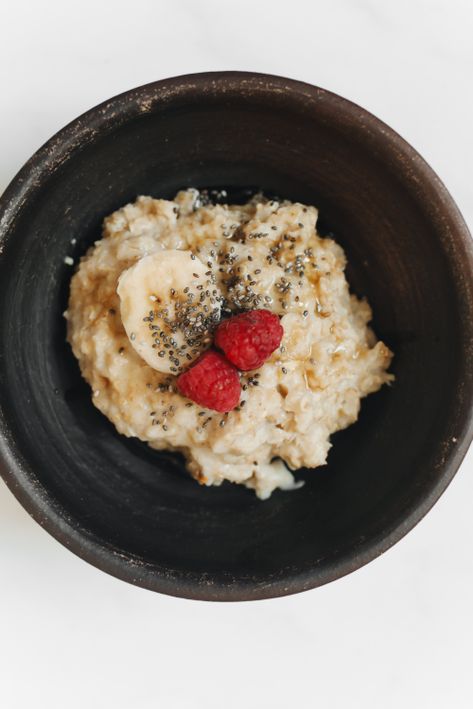
A fiber-forward breakfast bowl is one of the simplest ways to start fibermaxxing. Photo: Pexels
The Evidence-Backed Benefits
Adequate fiber intake is one of the most consistently supported dietary patterns in nutrition research, linked to:
- Gut microbiome diversity — fiber is the primary fuel source for beneficial gut bacteria, which ferment it into short-chain fatty acids that support the gut lining and reduce inflammation.
- Lower cardiovascular risk — soluble fiber binds cholesterol in the digestive tract, reducing LDL levels over time.
- Better blood sugar control — fiber slows glucose absorption, blunting post-meal blood sugar spikes.
- Improved satiety and weight management — fiber-rich meals are more filling per calorie, which can reduce overall intake without conscious restriction.
- Reduced colorectal cancer risk — large cohort studies consistently associate higher fiber intake with lower colorectal cancer incidence.
7 Ways to Hit 30g a Day
1. Start Breakfast With a Fiber Base
Swap refined cereal for oats, and add 1 tablespoon of chia or ground flaxseed (about 5g of fiber combined). This single change can cover roughly a fifth of your daily target before 9am.
2. Keep the Skin On
Apples, potatoes, and cucumbers lose a meaningful share of their fiber content when peeled. Washing and eating the skin is an easy, free upgrade.
3. Add a Legume to One Meal a Day
A half-cup of black beans, lentils, or chickpeas adds 6–8g of fiber and doubles as a protein source, making it one of the most efficient fibermaxxing moves.
4. Choose Whole Grains by Default
Swapping white rice for quinoa or brown rice, or white bread for 100% whole wheat, roughly triples the fiber content of a staple food you’re already eating.
5. Snack on Popcorn Instead of Chips
Air-popped popcorn is a whole grain that delivers about 3.5g of fiber per 3 cups — more than most chip alternatives, with fewer calories.
6. Build “Fiber Stacking” Into Dinner
Layer two or three fiber sources in one dish — for example, a stir-fry with broccoli, edamame, and brown rice — rather than relying on a single vegetable side.
7. Increase Gradually and Hydrate
Jumping from 12g to 30g overnight commonly causes bloating and gas. Increase intake by roughly 5g every few days, and pair increased fiber with more water, since fiber depends on adequate hydration to move through the digestive tract comfortably.
Psyllium husk and inulin-based fiber supplements to help close the gap on low-fiber days.
Common Fibermaxxing Mistakes
The most common error is increasing fiber too quickly, which can trigger digestive discomfort severe enough to make people abandon the habit. A second common mistake is relying entirely on supplements rather than whole foods — supplemental fiber can help close small gaps, but whole foods provide a broader mix of soluble and insoluble fiber types alongside vitamins, minerals, and polyphenols that isolated fiber powders don’t replicate.
Frequently Asked Questions
How much fiber should I actually eat per day?
The USDA recommends approximately 25g per day for adult women and 38g per day for adult men, though most nutrition researchers consider 30g a reasonable, achievable general target for most adults.
Can you eat too much fiber?
Yes. Very high intakes (significantly above 40–50g daily) without adequate water can cause bloating, gas, cramping, and in some cases interfere with mineral absorption. Gradual increases paired with hydration minimize these effects.
Is fiber from supplements as good as fiber from food?
Supplemental fiber (like psyllium husk) can help close intake gaps, but whole food sources are generally preferred first because they provide a mix of fiber types plus other nutrients and plant compounds not found in isolated fiber powders.
References:



Leave a Reply