

📋 Table of Contents
“I don’t have time to exercise” is the single most cited barrier to physical activity in national health surveys. Exercise snacking — breaking movement into 5–10 minute bursts scattered through the day instead of a single continuous session — has moved from a fitness-influencer trend to a genuinely researched training strategy, with several controlled trials now showing measurable cardiovascular and metabolic benefits.
What Are Snack-Sized Workouts?
The concept, popularized in exercise physiology research out of McMaster University and further studied by other groups, involves short bouts of vigorous activity — climbing stairs quickly, a set of bodyweight squats, a brief sprint interval — repeated a few times daily rather than consolidated into one 30 or 45-minute gym session. The appeal is accessibility: a 10-minute bout requires no gym membership, no changing clothes, and fits into a lunch break or between meetings.
What the Research Actually Shows
Studies on “stair-climbing exercise snacks” and similar short vigorous bouts have found measurable improvements in cardiorespiratory fitness (VO2 max) after several weeks of consistent short bursts, comparable in some studies to longer continuous sessions of similar total weekly volume. The mechanism appears to be intensity-driven: short bouts performed at a genuinely vigorous effort (not a light stroll) elevate heart rate enough to produce a training stimulus, even in a compressed timeframe.

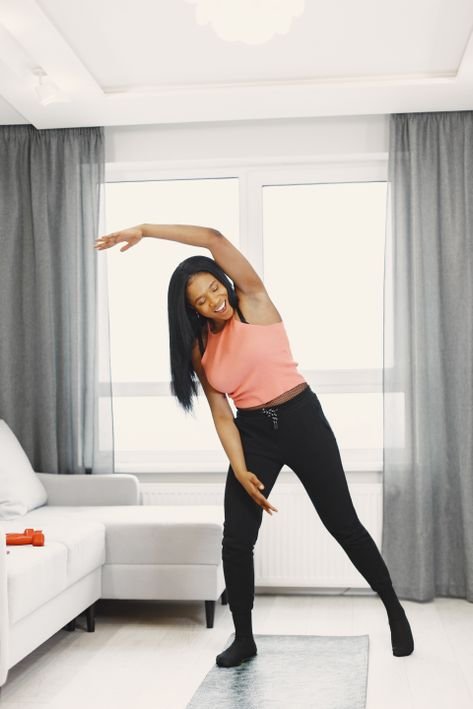
A 10-minute strength circuit is enough to produce a measurable training stimulus. Photo: Pexels
Who Benefits Most
Exercise snacking appears particularly effective for people who are currently sedentary or exercise inconsistently. For this group, several short vigorous bouts throughout the day can produce meaningful improvements in fitness markers, insulin sensitivity, and blood pressure compared with doing nothing. For people who are already highly trained, snack-sized sessions are more useful as a supplement to a structured program rather than a full replacement, since building significant strength or endurance typically still benefits from some longer, progressively overloaded sessions.
A Sample Snack-Sized Workout Day
- Morning (7 min): Bodyweight circuit — squats, push-ups, glute bridges, plank, 45 seconds each, repeated twice.
- Midday (5 min): Stair climbing at a brisk pace, or a fast-paced walk with several short jogging intervals.
- Afternoon (5 min): Resistance band rows and lateral raises at the desk or in a hallway.
- Evening (10 min): A brisk walk after dinner, which also supports post-meal blood sugar regulation.
That totals roughly 27 minutes of intentional movement — below most general activity guidelines on its own, but a substantial improvement over sedentary baseline, and realistic to sustain long-term.
Portable resistance bands, adjustable dumbbells, and compact equipment built for short, effective home workouts.
Where Exercise Snacking Falls Short
Short bouts are effective for cardiovascular conditioning and building a consistency habit, but progressive strength gains generally still require structured resistance training with enough volume and load progression over time. Snack-sized workouts are best framed as a floor — a way to guarantee daily movement — rather than a ceiling for anyone with specific strength, muscle-building, or endurance performance goals.
Frequently Asked Questions
Is a 10-minute workout actually worth doing?
Yes, particularly for people who are currently inactive. Research on short vigorous exercise bouts (“exercise snacking”) shows measurable improvements in cardiorespiratory fitness and metabolic markers when performed consistently, even without one continuous longer session.
How many exercise snacks do I need per day to see benefits?
Most studies showing benefit used 3–6 short vigorous bouts spread across the day, several days per week, for a total of roughly 15–30 minutes of accumulated activity.
Can exercise snacking replace a full workout routine?
For general health and cardiovascular fitness, it can be a meaningful standalone strategy, especially for beginners. For significant strength or muscle-building goals, it works best as a supplement to structured resistance training rather than a full replacement.
References:



Leave a Reply