

📋 Table of Contents
Cottage cheese has completed one of the more unlikely rebrands in recent food culture: from a “diet plate” side dish associated with 1980s dieting culture to the base ingredient in some of the most-viewed recipe videos on TikTok, including protein pancakes, cheesecake cups, and even ice cream. U.S. per-person cottage cheese consumption reached its highest level since 2009 in a recent year, and the trend, driven almost entirely by one simple technique, shows no sign of slowing heading into 2026. Here’s why it’s back, what the nutrition actually looks like, and several viral recipes worth trying in your own kitchen.
Why Cottage Cheese Is Viral Again
The current wave traces back to the broader high-protein eating trend, itself fueled by growing public interest in muscle preservation, satiety, and more sustainable approaches to weight management. Cottage cheese fits that demand almost perfectly: it delivers a large amount of protein per calorie compared to most everyday foods, it’s inexpensive relative to protein powder or meat, and it requires zero cooking to eat as-is. What turned it from a quietly practical choice into a full-blown social media phenomenon was a single technique that solved cottage cheese’s biggest historical turn-off.
Timing has also played a role. The trend accelerated alongside growing mainstream awareness of GLP-1 medications, which, as covered elsewhere on this site, dramatically shrink appetite and make protein-dense, low-volume foods especially valuable for people trying to preserve muscle mass while eating much less overall. Cottage cheese’s high protein-to-calorie ratio made it a natural fit for that audience specifically, even as its broader popularity has extended well beyond GLP-1 users to anyone interested in convenient, high-protein eating.
The Nutrition Case for Cottage Cheese
A typical serving of cottage cheese delivers a substantial amount of protein, largely in the form of casein, a slow-digesting protein that releases amino acids gradually over several hours, which is part of why it’s popular before bed among people focused on muscle recovery. It’s also a meaningful source of calcium, selenium, and B vitamins like riboflavin, alongside being comparatively low in sugar relative to yogurt, particularly flavored varieties. Full-fat and low-fat versions both work nutritionally; the main practical difference is taste and satiety, with full-fat versions generally tasting creamier and some people finding them more satisfying.
The Blending Trick That Changed Everything
Cottage cheese’s biggest historical obstacle was texture: the distinctive curds that many people, especially those introduced to it as children, find unappealing. The innovation driving the current viral wave is simple: blending. Running cottage cheese through a blender or food processor until completely smooth transforms it into a texture closer to a thick yogurt, ricotta, or even a soft cream cheese, while keeping essentially all of its protein content intact. That smooth, blended base is what makes cottage cheese usable in applications that would have seemed strange even a few years ago, from pancake batter to ice cream base to pasta sauce. A standard countertop blender or even a hand-held immersion blender is usually enough to achieve a smooth texture in under a minute, without needing any specialized equipment, which is part of why the technique spread so quickly once it started circulating online.
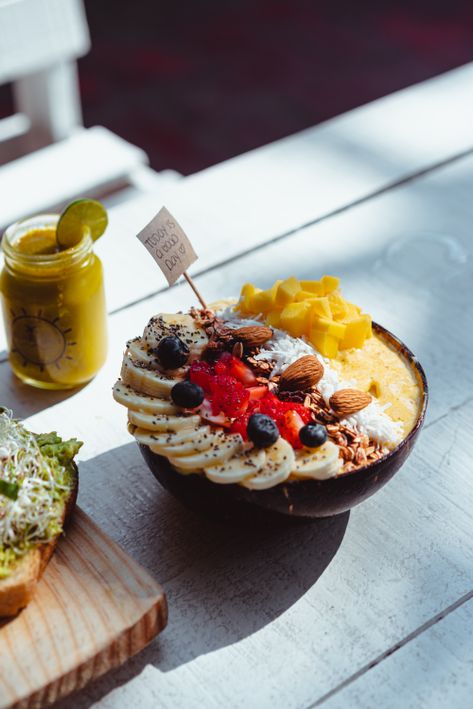
A blended cottage cheese base pairs well with almost any fruit or topping combination. Photo: Pexels
6 Viral Cottage Cheese Recipe Ideas
1. Two-Ingredient Cottage Cheese Flatbread
Blend cottage cheese until smooth, mix with self-rising flour into a dough, and cook like a flatbread or pancake in a skillet. Popular versions deliver around 11 grams of protein per piece and work well as a wrap or pizza base.
2. Blended Cottage Cheese Ice Cream
Blend cottage cheese with a sweetener like honey or maple syrup, vanilla extract, and frozen fruit, then freeze until firm. The result has a texture closer to a light cheesecake-style ice cream than traditional dairy ice cream.
3. High-Protein Cottage Cheese Toast
Spread blended (or unblended, for texture) cottage cheese on toasted sourdough, and top with cherry tomatoes, everything bagel seasoning, salt, and a drizzle of olive oil, for a higher-protein alternative to standard avocado toast.
4. Cottage Cheese Pasta Sauce
Blend cottage cheese with garlic, parmesan, and a splash of pasta water until smooth, then toss with hot pasta for a creamy, Alfredo-style sauce with substantially more protein than a traditional cream-based version.
5. Blender Cottage Cheese Pancakes
Blend cottage cheese with eggs and oats until smooth, then cook like standard pancakes. Popular versions of this recipe deliver upwards of 25 grams of protein per serving without any added protein powder.
6. Savory Cottage Cheese Breakfast Bowl
Top plain (unblended) cottage cheese with a soft-boiled or fried egg, cucumber, cherry tomatoes, and everything bagel seasoning for a no-cook, high-protein breakfast or lunch that takes about five minutes to assemble.
Compact blenders and glass meal prep containers for whipping up cottage cheese recipes at home.
Meal Prep and Storage Tips
Cottage cheese recipes are especially well suited to meal prep, since most of the blended-base recipes hold up well in the refrigerator for several days. Blended cottage cheese bases for sweet bowls or dips typically keep well for three to four days in an airtight container, though some separation is normal and can be stirred back together before serving. Baked recipes, like the oven-baked pancake bowl variations that have also gone viral, can generally be made in a large batch and portioned into individual containers for grab-and-go breakfasts throughout the week, and many freeze reasonably well for longer storage, particularly pancake and flatbread-style recipes that can be toasted straight from frozen. A useful batching approach many home cooks use is blending a large batch of plain cottage cheese at the start of the week, then splitting it across a few different preparations, savory toast one day, a sweet fruit bowl the next, pasta sauce later in the week, rather than committing an entire container to a single recipe.
Why It’s Sometimes Hard to Find
The viral demand has had a real supply-side effect: cottage cheese sales have grown sharply over the past several years, with the category surging as much as 20% in a recent year alone, and some grocery chains have reported intermittent regional shortages of popular brands as production has struggled to fully keep pace with the sudden and sustained increase in demand. If your usual brand or size is out of stock, trying a store or generic brand, or a different curd size (small curd blends just as smoothly as large curd), is usually an easy workaround.
What to Look for When Buying
For recipes that call for blending, curd size doesn’t matter much, since it will be pureed regardless. For eating cottage cheese unblended, small curd tends to have a milder flavor while large curd has a firmer bite. Checking the sodium content is worth doing if you’re managing sodium intake, since it varies meaningfully between brands. Full-fat versions generally blend into a creamier final texture for dessert-style recipes like ice cream or cheesecake cups, while low-fat versions work fine in savory applications like pasta sauce or dips where a lighter texture is less noticeable. It’s also worth checking the ingredient list for added gums or stabilizers, which some brands include to improve shelf texture; these aren’t harmful for most people, but a shorter ingredient list generally blends to a cleaner, more neutral final flavor.
Frequently Asked Questions
Why do people blend cottage cheese before using it in recipes?
Blending removes the distinctive curd texture that many people find unappealing, transforming cottage cheese into a smooth base similar to yogurt, ricotta, or soft cream cheese, while retaining essentially all of its protein content.
Is cottage cheese healthy to eat every day?
For most people, yes. It’s a nutrient-dense source of protein, calcium, and B vitamins that’s relatively low in sugar compared to many dairy alternatives. As with any food, checking sodium content is worthwhile for anyone managing sodium intake specifically.
Why is cottage cheese sometimes out of stock at the grocery store?
Viral demand has outpaced supply at times in recent years; sales have grown significantly, with some data showing as much as a 20% increase in a single recent year, leading to intermittent regional shortages of popular brands.
How long does blended cottage cheese last in the fridge?
Most blended cottage cheese bases keep well for three to four days in an airtight container. Some separation is normal over time and can simply be stirred back together before eating.
References:


Leave a Reply