

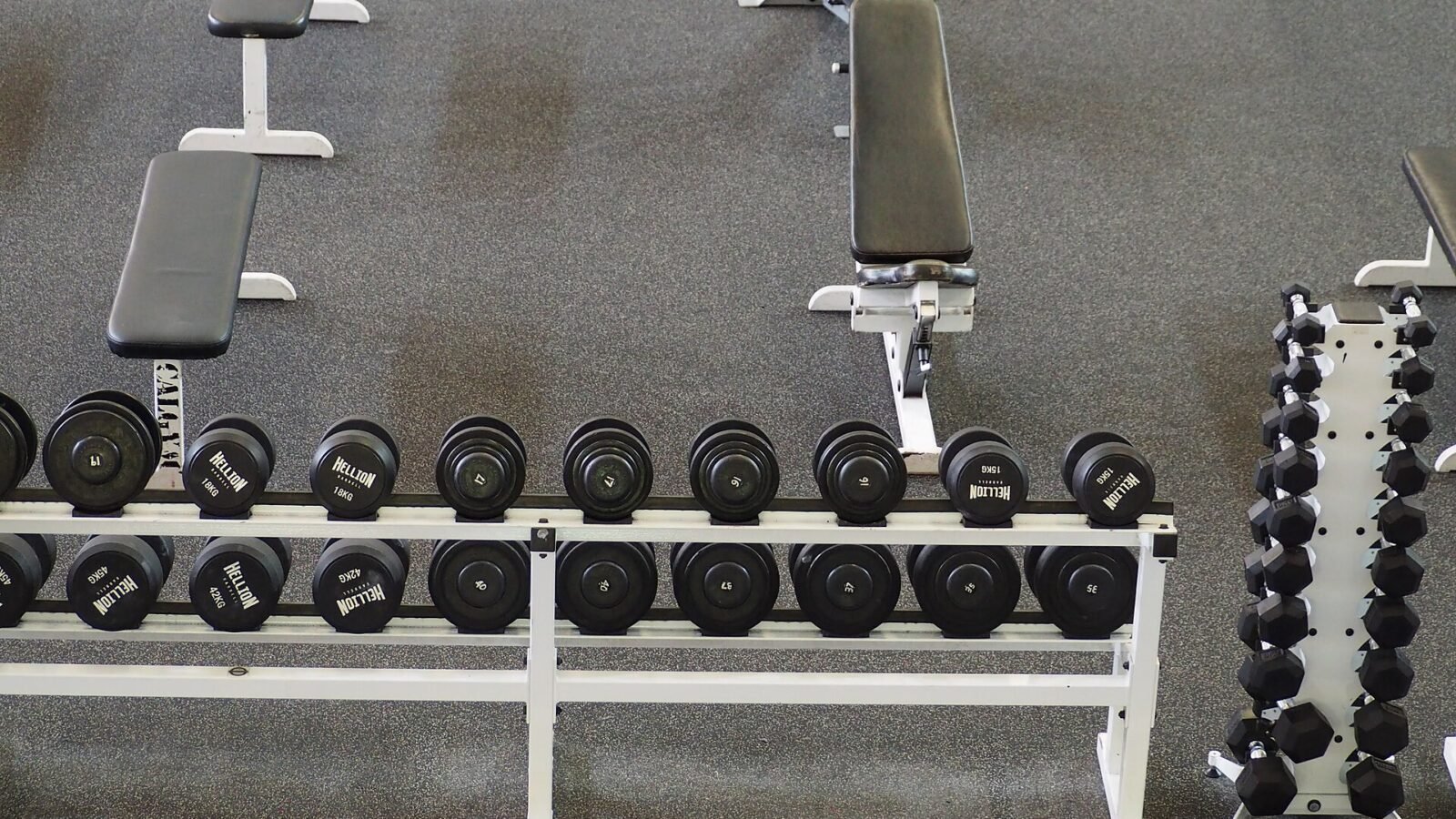
Sarcopenia is the age-related loss of muscle mass, strength and function. It matters because weak muscles make falls, fractures, disability and loss of independence more likely, and it is linked to poorer metabolic health and earlier death. The two most effective defences are resistance training and eating enough protein — roughly 1.0 to 1.2 grams per kilogram of body weight per day for many older adults — along with adequate vitamin D and treatment of underlying conditions.
Muscle loss is not an inevitable part of a few birthdays. It is a gradual process that accelerates with age, inactivity and illness, and how much you lose depends substantially on how you live. From roughly the thirties onward, adults who do not train can lose a significant proportion of muscle mass, and strength often declines faster than size.
The consequences are practical. Climbing stairs, carrying groceries, rising from a chair and catching yourself after a stumble all depend on muscle strength. When strength fades, independence fades with it. This guide explains what sarcopenia is, how it is screened, how much protein and what exercise the evidence supports, and how to apply this in an Indian diet that is often vegetarian.
Medical Disclaimer: This article is for informational and educational purposes only and does not constitute medical advice. Always consult a qualified healthcare professional before changing your diet, supplements or exercise routine, especially if you have kidney disease, diabetes or a chronic illness. Unexplained weight or muscle loss needs medical assessment.
What Is Sarcopenia?
The word sarcopenia comes from the Greek for “poverty of flesh”. It describes the progressive loss of skeletal muscle mass and strength that occurs with ageing. Modern definitions look beyond size: the European Working Group on Sarcopenia in Older People (EWGSOP) emphasises muscle strength and physical performance, because strength predicts outcomes better than mass alone.
Clinicians generally assess muscle strength (often grip strength), muscle quantity or quality (by imaging such as DXA or bioimpedance), and physical performance (walking speed, chair-stand time, balance). Sarcopenia can be described as probable, confirmed or severe depending on which are affected. It is different from cachexia, the severe wasting caused by diseases such as cancer, and it can be present even when weight is stable.
Why Muscle Loss Matters
Muscle is not just for movement. It stores amino acids, helps regulate blood sugar, supports the immune system and contributes to bone strength. Losing it affects nearly every system.
- Falls and fractures. Weak legs and poor balance are major contributors to falls, a leading cause of injury in older adults. The World Health Organization highlights healthy ageing and function as global priorities.
- Disability. Declining strength reduces the ability to bathe, dress, cook and shop independently.
- Metabolic health. Muscle is a major site of glucose disposal, so less muscle can worsen insulin resistance; the relationship is explored in our guide to how to boost metabolism.
- Longevity and recovery. Low muscle strength is associated with higher mortality and poorer recovery from illness and surgery.
- Quality of life. Staying able to travel and pursue hobbies depends on maintaining muscle.
What Causes Sarcopenia
Sarcopenia is multifactorial. The main contributors include ageing biology (changes in protein synthesis, hormones, nerve supply and mitochondria), inactivity and bed rest, inadequate protein and calories, chronic disease such as diabetes, heart failure, kidney disease and COPD, persistent low-grade inflammation, and vitamin D deficiency — which is common in India and linked to muscle weakness. See our article on vitamin D deficiency. Some medicines, hospitalisation, poor sleep and depression also worsen loss.
Protein Needs for Older Adults
Older adults need more protein per kilogram than younger adults, partly because the muscle-building response to a given amount of protein is blunted. Many guidelines suggest around 1.0 to 1.2 g per kilogram of body weight daily for healthy older adults, rising to about 1.2 to 1.5 g during illness or recovery, under medical supervision.
For a 60 kg older adult, that is roughly 60 to 72 g a day, spread across meals. Distribution matters: very little protein at breakfast and a large amount at dinner is less effective than a moderate amount at each meal. Our article on protein timing for muscle growth and fat loss explains why.
| Food | Approximate protein | Serving |
|---|---|---|
| Cooked dal or rajma | 7–9 g per cup | 1 large bowl |
| Paneer | 18–20 g per 100 g | ~100 g |
| Soya chunks (dry weight) | ~50 g per 100 g | 30 g dry |
| Curd | ~11 g per 200 g | 1 small bowl |
| Egg | ~6 g each | 1 egg |
| Sattu | ~20 g per 100 g | 2 tbsp |
People with kidney disease may be advised to limit protein, so this is one area where medical guidance is essential rather than optional.
Resistance Training: The Strongest Tool
No supplement or food matches the effect of resistance training on muscle strength and function. The World Health Organization recommends muscle-strengthening activities on at least two days a week for adults, including older adults, plus balance work for those at risk of falls.
Progressive resistance training means challenging muscles with a load that increases over time. For older adults it can start with body weight, resistance bands, water bottles or light dumbbells. Train major muscle groups two to three times a week, start light and progress gradually, use controlled movements through a comfortable range, include functional moves such as sit-to-stand, step-ups and heel raises, and allow recovery between sessions.
Systematic reviews consistently show that resistance training increases muscle mass, strength and physical performance in older adults, including the very old and frail. Benefits appear even in people in their eighties and nineties. Our strength training for beginners guide covers how to start, and walking supports general function as described in benefits of walking 30 minutes a day.
Vitamin D, Leucine and Other Nutrients
Vitamin D supports muscle function and bone health, and deficiency is widespread in India despite abundant sunshine. The NIH vitamin D fact sheet notes its role in calcium absorption and musculoskeletal health. Correct deficiency with medical guidance, because very high doses can be harmful.
Leucine is an amino acid that triggers muscle protein synthesis and is found in whey, dairy, eggs, soy and pulses. Omega-3 fatty acids may modestly support muscle maintenance, though evidence is not conclusive. Creatine combined with resistance training has reasonable evidence for increasing strength and lean mass in older adults; see our article on creatine benefits. A generally nutritious diet supports muscle as much as any single nutrient; the patterns linked to healthy ageing are described in our guide to the longevity diet and Blue Zones foods.
Screening: Grip Strength and Gait Speed
Sarcopenia is under-diagnosed because muscle loss is gradual and easily dismissed as normal ageing. Simple screening measures can flag it: grip strength measured with a hand dynamometer, gait speed over four metres, a chair-stand test timing five rises, and the SARC-F questionnaire about strength, walking, rising and falls. Grip strength is simple, cheap and increasingly measured in clinics. The PubMed literature on sarcopenia and resistance training shows how widely these assessments are used.
The Indian Context: Vegetarian Protein
A large proportion of Indians eat vegetarian diets, and many older adults eat less protein than recommended because of preferences, dental problems, low appetite and the belief that protein is only for bodybuilders. A well-planned Indian vegetarian diet can meet protein needs comfortably.
Practical sources include dal, rajma, chana, moong, paneer, curd, milk, soya chunks, sattu, peanuts and mixed dal khichdi. Combining cereals and pulses, such as dal with rice or roti, provides a broad amino acid profile. Adding a protein source to breakfast, which is often carbohydrate-heavy in Indian homes, makes a meaningful difference. For those who struggle to chew, soft options such as dal soup, paneer bhurji, curd, khichdi and besan chilla work well. Protein powder is an option when intake is low, but should not replace meals.
Practical Recommendations
- Do resistance training two to three times a week, progressing gradually.
- Aim for 1.0 to 1.2 g of protein per kilogram of body weight daily, spread across meals.
- Include a protein source at breakfast, not just at dinner.
- Get vitamin D checked if you have weakness, and treat deficiency with medical advice.
- Walk regularly and add balance and functional exercises.
- Keep up protein and movement during and after illness or hospitalisation.
- Ask about screening if you notice weakness, slower walking or difficulty rising from a chair.
- Manage chronic conditions such as diabetes and heart disease, which accelerate muscle loss.
- Do not crash diet; severe calorie restriction accelerates muscle loss, especially without resistance training.
Who Should Be Cautious
- People with chronic kidney disease, who may need a protein target set by a doctor or dietitian.
- People with heart failure or liver disease, who need individualised nutrition advice.
- People with diabetes, who should balance protein and carbohydrate with medical guidance.
- People taking blood thinners, who should check before adding fish oil or other supplements.
- People with recent surgery or injury, who should follow rehabilitation guidance.
- Frail older adults, who should start exercise with supervision to reduce fall risk.
- Anyone with unexplained weight or muscle loss, which needs medical assessment rather than self-treatment.
When to Seek Professional Medical Advice
See a doctor if you are losing weight or muscle without trying, notice a clear decline in strength or walking speed, have had a fall, or find everyday tasks becoming harder. These can indicate sarcopenia, but they can also signal other conditions — thyroid disease, diabetes, cancer, depression or malabsorption — that need investigation.
Ask about formal assessment, including grip strength and gait speed where available, and about referral to a physiotherapist or dietitian. Rehabilitation professionals can design a safe programme for your level, and dietitians can help you meet protein needs within your preferences and any medical restrictions.
Frequently Asked Questions
At what age does sarcopenia start?
Muscle mass begins to decline gradually from around the thirties, and the rate accelerates after about 60, especially without resistance training. Significant loss is common by the seventies and eighties.
Can sarcopenia be reversed?
Muscle can be rebuilt at any age. Resistance training plus adequate protein improves strength and function even in very old, frail adults, though recovery may be slower than in younger people.
Is walking enough to prevent muscle loss?
Walking supports cardiovascular health and function, but it is not a strong muscle-building stimulus on its own. Add resistance training for muscle mass and strength.
Can vegetarians prevent sarcopenia?
Yes. Dal, paneer, curd, soya, peanuts, sattu and combined cereals and pulses can meet protein needs. Planning and adequate total intake matter more than the source.
Does vitamin D help muscle strength?
Correcting deficiency supports musculoskeletal health, and low vitamin D is associated with weakness. It is not a substitute for resistance training and adequate protein.
How is sarcopenia diagnosed?
Clinicians combine strength tests such as grip strength, muscle mass estimates and physical performance measures such as walking speed, often using EWGSOP criteria or similar frameworks.
References
- World Health Organization. “Ageing and Health.” WHO Fact Sheet, 2024. https://www.who.int/news-room/fact-sheets/detail/ageing-and-health
- World Health Organization. “Physical Activity.” WHO Fact Sheet, 2024. https://www.who.int/news-room/fact-sheets/detail/physical-activity
- NIH Office of Dietary Supplements. “Vitamin D: Fact Sheet for Consumers.” https://ods.od.nih.gov/factsheets/VitaminD-Consumer/
- National Health Service (UK). “Strength and Flexibility Exercises.” https://www.nhs.uk/live-well/exercise/strength-and-flexibility-exercises/
- PubMed (U.S. National Library of Medicine). Search results for “sarcopenia resistance training.” https://pubmed.ncbi.nlm.nih.gov/?term=sarcopenia+resistance+training
- MedlinePlus (U.S. National Library of Medicine). “Exercise and Physical Fitness.” https://medlineplus.gov/exerciseandphysicalfitness.html
Related Reading:


Leave a Reply