

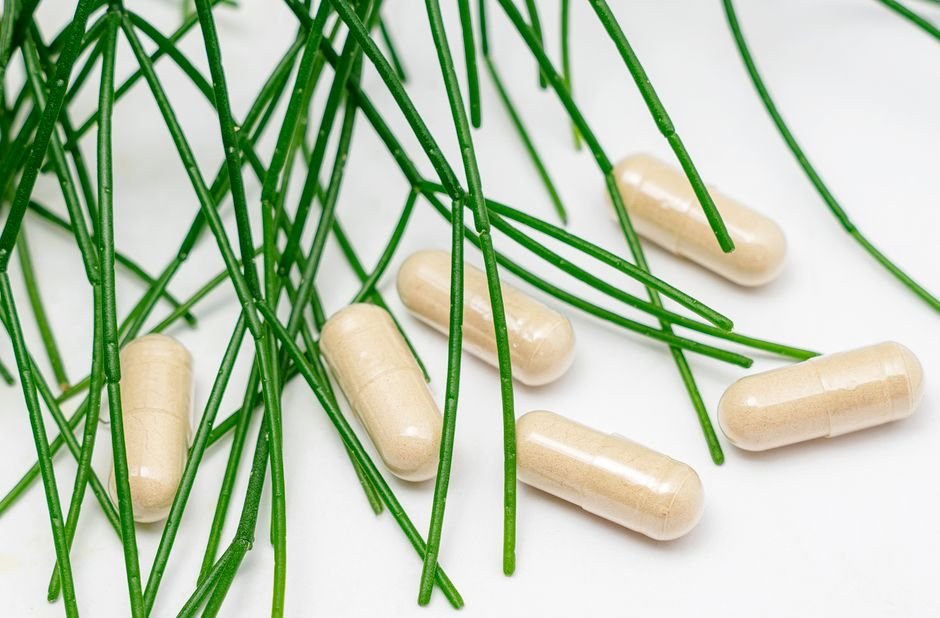


Millions of women around the world are turning to ashwagandha — and for very good reason. This ancient Ayurvedic herb, scientifically known as Withania somnifera, has earned its place as one of the most comprehensively studied adaptogenic herbs in modern medicine. For women specifically, its benefits span a remarkable range: from hormonal balance and thyroid support to stress relief, better sleep, and even fertility.
In this guide, we dive deep into the science-backed ashwagandha benefits for women — covering exactly how it works, what the research shows, dosage guidelines, and important safety considerations.
What Is Ashwagandha?
Ashwagandha (Withania somnifera) is a small shrub native to India, North Africa, and the Mediterranean. Its name translates from Sanskrit as “smell of a horse” — referring to both the root’s distinct aroma and the traditional belief that consuming it imparts the strength and vitality of a horse.
As an adaptogen, ashwagandha works by helping the body adapt to stress — both physical and psychological — by modulating the hypothalamic-pituitary-adrenal (HPA) axis, which is the central system controlling your body’s stress response and cortisol production.
Modern extracts are standardised for their active compounds called withanolides, which are primarily responsible for the herb’s therapeutic effects. The two most research-backed standardised extracts are KSM-66 (full-spectrum root extract) and Sensoril (root and leaf extract).
8 Proven Ashwagandha Benefits for Women
1. Reduces Stress and Anxiety
This is ashwagandha’s most well-documented benefit — and it is particularly relevant for women, who are statistically more likely to experience anxiety disorders than men.
Multiple randomised controlled trials have demonstrated that ashwagandha significantly reduces perceived stress scores, anxiety levels, and cortisol concentrations. In a landmark 60-day study published in the Indian Journal of Psychological Medicine, participants taking 300mg of KSM-66 ashwagandha twice daily showed a 44% reduction in perceived stress and a 27.9% reduction in serum cortisol compared to placebo.
For women balancing careers, family responsibilities, and societal expectations, this cortisol-lowering effect translates to real, tangible relief from daily stress. It also has downstream benefits for sleep, weight management, and hormonal health. Read more about stress management strategies in our guide on stress management.
2. Supports Hormonal Balance
Hormonal fluctuations are a defining feature of female biology — from the monthly menstrual cycle to perimenopause and menopause. Ashwagandha supports hormonal balance through several mechanisms:
- Reduces cortisol: High cortisol “steals” progesterone — a key hormone for menstrual regularity and mood. Lowering cortisol helps restore the cortisol-progesterone balance.
- Supports thyroid function: Studies suggest ashwagandha may stimulate thyroid hormone production, making it particularly relevant for women with subclinical hypothyroidism.
- Modulates estrogen: Animal and preliminary human studies suggest ashwagandha may help regulate estrogen receptor activity, although more human clinical trials are needed.
Women experiencing irregular periods, PMS, PCOS-related hormonal disruption, or perimenopausal symptoms may find ashwagandha a valuable support tool — ideally as part of a broader holistic health approach.
3. Improves Sleep Quality
Ashwagandha’s scientific name — somnifera — literally means “sleep-inducing,” and the research backs this up. A 2019 randomised, double-blind, placebo-controlled study published in PLOS ONE found that participants taking ashwagandha root extract (300mg twice daily) for 10 weeks showed significant improvements in:
- Sleep onset latency (time to fall asleep)
- Total sleep time
- Sleep quality ratings
- Morning alertness
- Mental alertness upon waking
The mechanism involves ashwagandha’s active compound triethylene glycol, which has been shown to induce sleep in animal models. It also works indirectly by lowering nighttime cortisol — one of the most common disruptors of deep sleep in stressed women. Pair ashwagandha with good relaxation techniques for synergistic sleep improvement.
4. Boosts Energy and Reduces Fatigue
Despite being a sleep-supporting herb, ashwagandha paradoxically also improves daytime energy — not through stimulation (like caffeine) but by improving the efficiency of your body’s energy production systems.
A 2021 clinical trial found that ashwagandha supplementation significantly improved VO2 max (a measure of cardiorespiratory fitness and endurance) in both sedentary individuals and athletes. This is particularly relevant for women with adrenal fatigue — a state of persistent exhaustion driven by prolonged HPA axis overactivation.
5. Supports Female Fertility
Emerging research suggests ashwagandha may support female fertility, primarily through stress reduction. Chronic stress suppresses GnRH (gonadotropin-releasing hormone) — the master hormone that triggers the ovarian cycle. By lowering cortisol and normalising HPA axis function, ashwagandha may help restore regular ovulation in women whose cycles have been disrupted by stress.
Additionally, animal studies have shown ashwagandha may improve egg quality and endocrine function in the ovaries. Human clinical trials specifically on female fertility remain limited, so this benefit should be viewed as promising rather than conclusively proven.
6. Improves Mood and Cognitive Function
Ashwagandha demonstrates meaningful neuroprotective and antidepressant-like effects. It appears to modulate neurotransmitter pathways including GABA (promoting calm) and serotonin-related signalling, while also reducing neuroinflammation.
A 2017 study found that ashwagandha supplementation significantly improved immediate and general memory, executive function, and information processing speed in adults. For women experiencing brain fog — a common complaint during perimenopause, postpartum, or high-stress periods — this cognitive boost can be profoundly meaningful.
7. Thyroid Support
Thyroid disorders disproportionately affect women — hypothyroidism is 5–8 times more common in women than men. A 2018 study published in the Journal of Alternative and Complementary Medicine found that ashwagandha root extract significantly increased serum levels of thyroid hormones T3 and T4 in patients with subclinical hypothyroidism, with no adverse effects on thyroid-stimulating hormone (TSH).
Women with diagnosed thyroid conditions should always consult their endocrinologist before adding ashwagandha, as it may interact with thyroid medications.
8. Weight Management Support
Ashwagandha supports weight management indirectly through multiple pathways: reducing cortisol (which drives belly fat storage), improving sleep quality (poor sleep raises hunger hormones), reducing stress-eating urges, and improving exercise performance and recovery. A 2017 study in the Journal of Evidence-Based Complementary and Alternative Medicine found ashwagandha supplementation led to significant reductions in body weight and BMI compared to placebo in chronically stressed adults. Combine with insights from our cortisol belly fat guide for a comprehensive approach.
Ashwagandha Dosage for Women
| Goal | Recommended Dose | Timing |
|---|---|---|
| Stress / Anxiety | 300–600mg KSM-66 daily | Morning or split AM/PM |
| Sleep improvement | 300mg twice daily | One dose at bedtime |
| Hormonal balance | 300–500mg daily | With food |
| Energy / Fatigue | 600mg daily | Morning |
| Thyroid support | 300mg twice daily | Consult physician first |
Is Ashwagandha Safe for Women? Side Effects and Precautions
Ashwagandha is generally considered safe for most women when taken at recommended doses. It is classified as GRAS (Generally Recognised As Safe) by the FDA. However, there are important precautions:
- Pregnancy: Avoid ashwagandha during pregnancy. It has traditionally been used as an abortifacient in high doses and has not been adequately studied in pregnant women.
- Breastfeeding: Insufficient safety data — avoid unless advised by your doctor.
- Autoimmune conditions: Ashwagandha can stimulate immune activity and may be contraindicated in conditions like lupus, MS, or rheumatoid arthritis.
- Thyroid medications: May enhance thyroid hormone production — monitor levels if on thyroid meds.
- Sedatives: May enhance the effects of sleep medications.
Mild side effects (uncommon at standard doses) can include digestive upset, loose stools, or drowsiness.
How to Choose a Quality Ashwagandha Supplement
Not all ashwagandha supplements are equal. Look for these quality markers:
- Standardised extract: KSM-66 or Sensoril — not generic “ashwagandha powder”
- Withanolide content: Minimum 5% withanolides listed on label
- Third-party tested: Look for USP, NSF, or Informed Sport certification
- Clean label: Minimal fillers, no artificial colours or preservatives
Frequently Asked Questions
How long does ashwagandha take to work for women?
Most women begin noticing improvements in stress and sleep within 2–4 weeks of consistent daily use. Full hormonal and energy benefits typically become apparent after 6–8 weeks of regular supplementation.
Can ashwagandha help with PCOS?
Potentially, yes. By reducing cortisol, modulating insulin sensitivity, and supporting thyroid function, ashwagandha may help address several root causes of PCOS. However, it should be used as a complementary tool alongside medical treatment, not as a replacement.
Can ashwagandha help with weight loss for women?
Ashwagandha is not a direct fat-burning supplement, but it supports weight management indirectly through cortisol reduction, better sleep, reduced stress-eating, and improved exercise capacity.
Should women take ashwagandha every day?
Most research uses daily supplementation protocols. Some practitioners suggest cycling (taking breaks every 2–3 months) to prevent tolerance, though this is not strongly supported by evidence. Listen to your body and consult your healthcare provider.
Conclusion
Ashwagandha is one of the most versatile and well-researched natural supplements available for women’s health. Whether you are battling chronic stress, hormonal imbalances, disrupted sleep, thyroid issues, or persistent fatigue, the evidence supporting its use is compelling and growing.
As always, quality matters enormously — choose standardised extracts, start at a moderate dose, and be patient. Real, lasting benefits with ashwagandha come from consistent use over weeks and months.
This article is for informational purposes only. Always consult a qualified healthcare professional before starting any supplement, particularly if you have existing health conditions or take medications.
Subscribe Free →
Not sure exactly how far along you are?
Use our free due date calculator to find your current week, trimester, and days to go.
Calculate My Due Date →



Leave a Reply