

Dietary fat spent decades being treated as uniformly bad, but nutrition science has since made clear that fat type matters far more than total fat avoidance. Here’s a clear breakdown of which fats support health and which ones to limit.
The Four Main Types of Dietary Fat
Monounsaturated Fats — Generally Beneficial
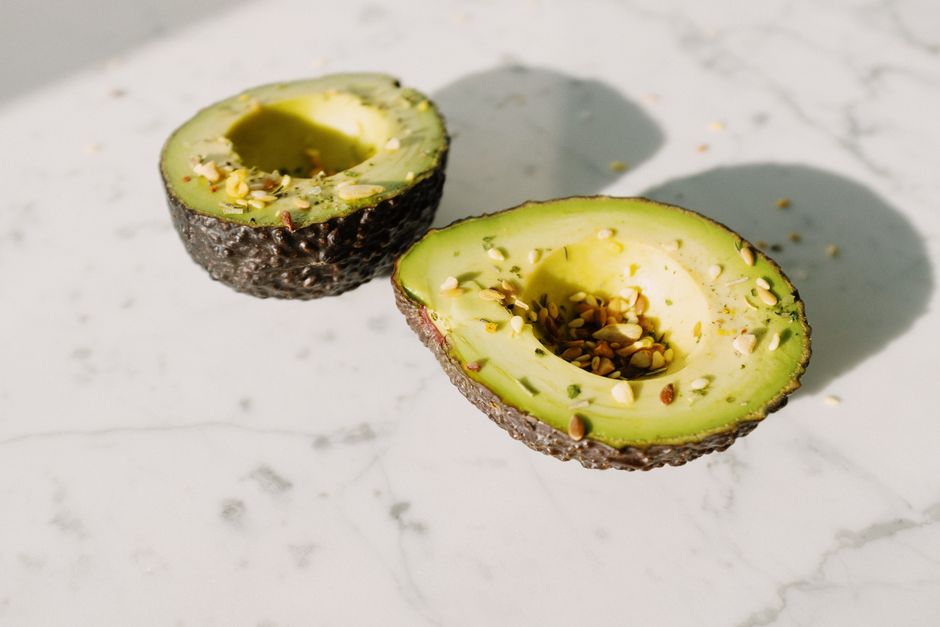
Found in olive oil, avocados, almonds, and cashews, monounsaturated fats are consistently linked to improved cholesterol profiles (raising HDL relative to LDL) and reduced cardiovascular risk. The Mediterranean diet, one of the most well-studied eating patterns for heart health, derives much of its benefit from high monounsaturated fat intake, primarily via olive oil.
Polyunsaturated Fats — Essential, With a Balance to Strike
This category includes omega-3 fatty acids (fatty fish, walnuts, flaxseed, chia seeds) and omega-6 fatty acids (vegetable oils, most nuts and seeds). Both are essential — the body cannot produce them — but the modern diet tends to provide far more omega-6 than omega-3, and some researchers believe this imbalance contributes to low-grade chronic inflammation. Prioritizing omega-3 sources like fatty fish twice weekly is a practical way to improve this ratio.
Saturated Fats — Context Matters More Than Total Avoidance
Found in butter, coconut oil, red meat, and full-fat dairy, saturated fat’s relationship with heart disease is more nuanced than once believed. Current major reviews suggest that replacing saturated fat with refined carbohydrates provides no cardiovascular benefit, while replacing it with unsaturated fats does improve outcomes. Moderate saturated fat intake, especially from whole foods rather than processed sources, is not the singular villain it was once portrayed as — but most guidelines still recommend keeping it to roughly 10% or less of total calories for cardiovascular risk reduction.
Trans Fats — The One Fat to Actively Avoid
Artificial trans fats, historically used in margarine, packaged baked goods, and fried fast food, have no known health benefit and are strongly linked to increased LDL cholesterol, decreased HDL cholesterol, and elevated cardiovascular disease risk. Many countries have banned or heavily restricted artificial trans fats, but checking ingredient labels for ‘partially hydrogenated oil’ remains a useful habit.
Practical Ways to Improve Your Fat Intake
- Cook primarily with olive oil or avocado oil rather than heavily processed vegetable oils or artificial trans fats
- Eat fatty fish (salmon, mackerel, sardines) at least twice weekly to boost omega-3 intake
- Include a daily handful of nuts or seeds for monounsaturated and polyunsaturated fats
- Check labels for ‘partially hydrogenated oil’ and avoid products containing it
- Moderate, don’t eliminate, saturated fat from whole food sources as part of a balanced overall diet
Frequently Asked Questions
Is coconut oil a healthy fat?
Coconut oil is high in saturated fat and raises both LDL and HDL cholesterol. Current evidence doesn’t support the idea that it’s uniquely heart-healthy compared to other saturated fats, despite popular claims. It can be used occasionally as part of a varied diet but shouldn’t replace olive oil or other unsaturated oils as a primary cooking fat.
How much fat should I eat per day?
Most dietary guidelines recommend total fat intake of roughly 20-35% of daily calories, with an emphasis on unsaturated sources. There’s no need to minimize fat intake overall — the type of fat matters far more for health outcomes than the total amount, within this general range.
Are trans fats completely banned now?
Many countries, including the US and UK, have restricted or banned artificial trans fats in the food supply, significantly reducing exposure compared to decades past. However, small amounts can still appear in some imported or specialty products, so checking labels for ‘partially hydrogenated oil’ is still a reasonable precaution.
Subscribe Free →




Leave a Reply