

Skin health is influenced heavily by what you eat, since the skin — your body’s largest organ — depends on a steady supply of vitamins, antioxidants, and healthy fats to repair itself and maintain its protective barrier.
5 Foods That Support Glowing, Healthy Skin
1. Oranges and Citrus Fruits
Oranges are rich in vitamin C, an essential cofactor for collagen synthesis — the structural protein that keeps skin firm and elastic. Vitamin C is also a potent antioxidant that helps neutralize free radical damage from UV exposure and pollution, both of which accelerate visible skin aging.
2. Strawberries
Strawberries provide both vitamin C and naturally occurring alpha-hydroxy acids, which support gentle exfoliation of dead skin cells when applied topically and contribute antioxidant protection when eaten. Their polyphenol content also helps combat oxidative stress linked to fine lines and dullness.
3. Pumpkin and Pumpkin Seeds
Pumpkin is rich in beta-carotene (a precursor to vitamin A, essential for skin cell turnover), vitamin C, and zinc, which supports sebum regulation and wound healing. This combination makes pumpkin useful for both dry and acne-prone skin types.
4. Beetroot
Beetroot’s betalain pigments have demonstrated antioxidant and anti-inflammatory properties, and its nitrate content supports healthy blood flow — which helps deliver oxygen and nutrients to skin cells. Beetroot also supports liver detoxification pathways that indirectly benefit skin clarity.
5. Tomatoes
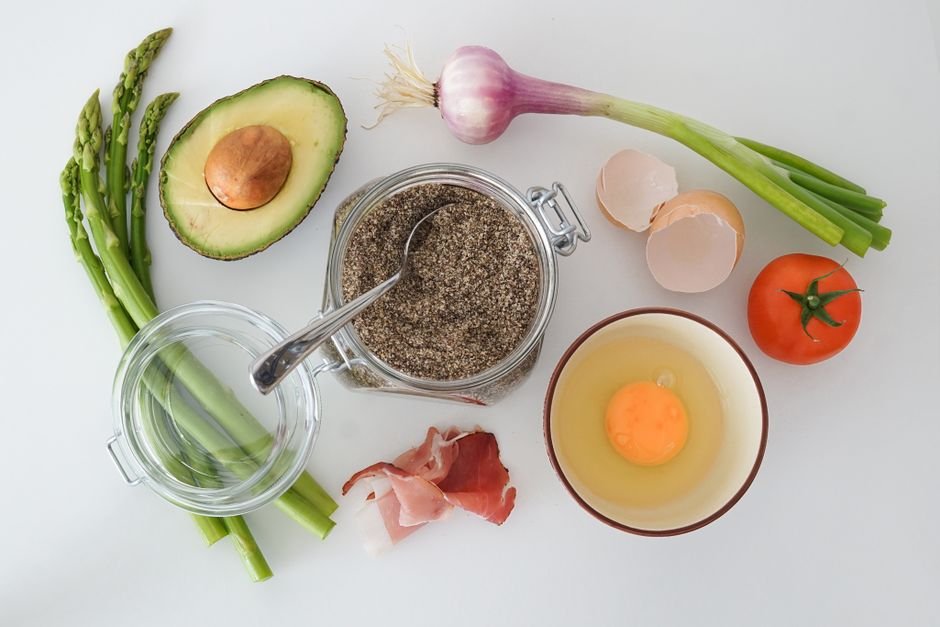
Tomatoes are a leading dietary source of lycopene, a carotenoid antioxidant shown in studies to provide modest protection against UV-induced skin damage when consumed regularly over weeks. Tomatoes also provide vitamins A, C, and K, supporting overall skin structure and healing.
Beyond Diet: What Else Affects Skin Health
While diet plays a meaningful supporting role, skin health is also strongly influenced by sun protection, hydration, sleep quality, and stress levels — all of which affect the skin barrier and inflammation levels independently of nutrition. A food-only approach without these other basics will have limited impact on visible skin quality.
Frequently Asked Questions
How long does it take for diet changes to show on your skin?
Skin cells fully turn over roughly every 28-40 days in adults, so most people need at least 4-8 weeks of consistent dietary improvement, alongside good sun protection and hydration, before seeing meaningful visible changes in skin quality.
Can eating too much fruit cause acne?
For most people, whole fruit’s natural sugar content, buffered by fiber, does not meaningfully worsen acne. Concerns about diet and acne are more strongly linked to high-glycemic processed foods, dairy in some individuals, and overall diet quality rather than whole fruit specifically.
Do topical vitamin C and dietary vitamin C work the same way for skin?
They work through complementary but different pathways. Dietary vitamin C supports collagen synthesis and antioxidant status from within, while topical vitamin C can deliver a more concentrated, direct antioxidant effect to the skin surface. Using both is generally more effective than either alone.
Subscribe Free →




Leave a Reply