

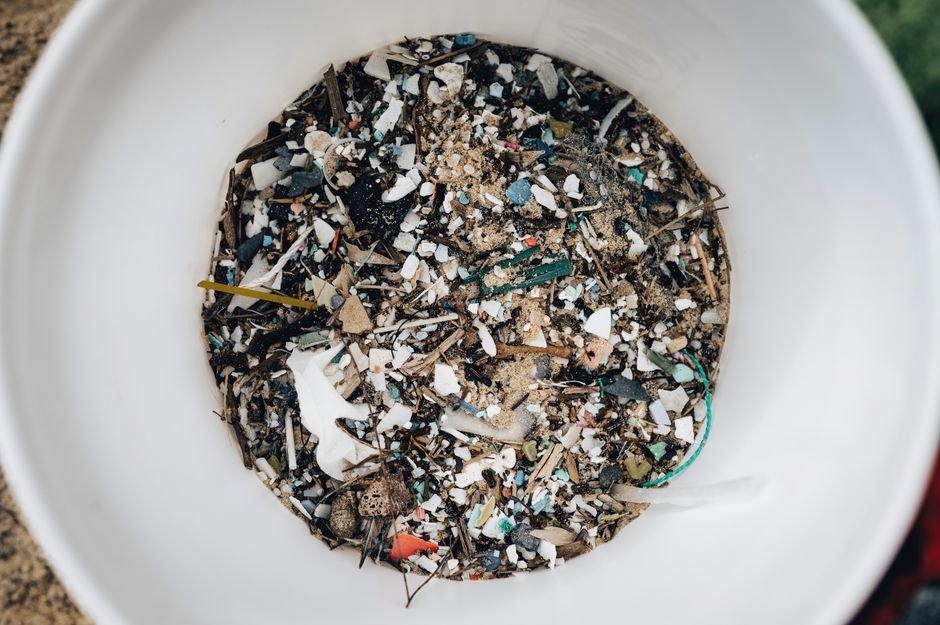
Microplastics — plastic particles smaller than 5mm, down to nanoscale particles smaller than 1 micrometre — have become one of the most discussed emerging environmental health concerns. Once considered a marine ecology issue, microplastics are now known to contaminate virtually every environment on earth, including the most remote: Arctic ice cores, the deepest ocean trenches, rainwater, and increasingly, human body tissues.
A landmark 2024 study published in the New England Journal of Medicine found microplastics in human atherosclerotic plaques — and people with detectable microplastics in their plaques had a 4.5-fold increased risk of heart attack, stroke, or death over the following 3 years compared to those without detectable microplastics. This single finding elevated microplastic research from environmental concern to acute public health priority.
What Are Microplastics and Nanoplastics?
Plastics degrade slowly — rather than biodegrading, most plastics fragment into progressively smaller particles while retaining their polymer structure. Microplastics (1μm-5mm) and nanoplastics (below 1μm) are these fragmentation products, along with intentionally manufactured microbeads (used in cosmetics and industrial applications) and fibres from synthetic clothing.
The primary plastic polymers found in human tissues: polyethylene (PE), polyethylene terephthalate (PET), polypropylene (PP), polystyrene (PS), and polyvinyl chloride (PVC) — all with different chemical additive profiles but similar concerns about biological effects. Plastic particles can also act as carriers for attached chemical pollutants, heavy metals, and pathogens.
How Microplastics Enter the Human Body
Diet (Primary Route — 80% of Exposure)
Food is the dominant microplastic exposure route for most people. Major dietary sources: seafood (bivalves like oysters, mussels, and clams — whole animals consumed with gut content that accumulates microplastics), sea salt, drinking water (both tap and bottled), bottled beverages, food heated in plastic containers, tea bags (many are heat-sealed with polypropylene — releasing billions of microplastic particles into the brew), table salt, honey, and beer. Studies estimate average dietary microplastic intake of 39,000-52,000 particles per year for adults, potentially doubled with regular bottled water consumption.
Inhalation
Airborne microplastics from synthetic textiles, degrading outdoor plastic materials, and industrial emissions are inhaled continuously in both indoor and outdoor environments. Indoor air typically has higher microplastic concentrations than outdoor air — from synthetic furnishings, carpets, and clothing. Estimated inhalation contributes 26,000-130,000 microplastic particles per year.
Dermal Contact
Direct skin contact with plastic materials, synthetic fabrics, and microplastic-containing personal care products contributes to exposure — though dermal absorption is less significant than dietary or inhalation routes for most particle sizes.
What the Research Says About Health Effects
Cardiovascular: The 2024 NEJM study (referenced above) found microplastics and nanoplastics in atherosclerotic plaques of 58% of participants. Those with detectable plastic in plaques had 4.5x higher risk of adverse cardiovascular events. This is the most alarming human health finding to date.
Inflammation: Microplastics activate inflammatory pathways including NF-κB and NLRP3 inflammasome in human cell studies — consistent with the atherosclerosis mechanism. Chronic low-grade inflammation from microplastic-triggered immune activation is a plausible driver of multiple chronic diseases.
Endocrine disruption: Many plastic additive chemicals — particularly bisphenol A (BPA), phthalates, and PFAS — are endocrine disruptors that interfere with oestrogen, thyroid hormone, and insulin signalling. While microplastics themselves may have limited direct hormonal activity, their role as carriers for these bioactive chemicals amplifies health concern.
Reproductive health: Microplastics have been detected in human semen, follicular fluid, and placental tissue. Correlations with reduced sperm motility and quality are emerging from early studies but causation remains unestablished.
Lung health: Microplastics are found in human lung tissue, particularly in individuals with occupational plastic dust exposure. Associations with respiratory inflammation and potentially cancer are under investigation.
Important caveat: Most human health evidence is correlational — proving causation in humans is technically difficult. However, the mechanistic evidence from cell studies, animal studies, and the growing epidemiological data is sufficient to warrant precautionary reduction of exposure while research matures.
Where Microplastics Have Been Found in Humans
- Atherosclerotic plaques (2024 NEJM)
- Blood plasma
- Lung tissue (including deep alveolar tissue)
- Liver and spleen
- Placenta and foetal meconium
- Breast milk
- Semen and testes
- Human brain tissue (emerging evidence)
- Stool (indicating gastrointestinal passage)
10 Evidence-Based Ways to Reduce Microplastic Exposure
1. Switch to Filtered Tap Water or Tested Glass-Bottled Water
Bottled water contains 22x more microplastics than tap water — primarily from the PET bottle itself and the cap-opening process. A quality water filter (reverse osmosis removes >99% of microplastics; activated carbon filters remove >70%) significantly reduces tap water microplastic content. Stainless steel or glass water bottles eliminate leaching during storage and transport. This single change reduces water-source microplastic exposure by an estimated 90%.
2. Avoid Heating Food in Plastic Containers
Heat dramatically accelerates plastic particle release — microwaving food in plastic containers can release millions of microplastic and nanoplastic particles per cm² into food. Always transfer food to glass, ceramic, or stainless steel before heating. This applies to plastic wraps placed over food during reheating and plastic takeaway containers heated in microwaves or with boiling water.
3. Replace Plastic Tea Bags With Loose Leaf
A 2019 study found that a single plastic tea bag (heat-sealed with nylon or PET) releases approximately 11.6 billion microplastic and 3.1 billion nanoplastic particles into a cup of tea at steeping temperature. Switching to loose leaf tea with a stainless steel infuser completely eliminates this significant and often-overlooked exposure source.
4. Reduce Synthetic Textile Use and Washing
Polyester, acrylic, and nylon clothing shed thousands of microplastic fibres per wash cycle — contributing to both wastewater contamination and airborne fibre concentration in homes. Practical reductions: use a microfibre-catching laundry bag (Guppyfriend bags capture 86% of shed fibres), wash synthetic garments on cold cycles at lower speed (reduces fibre shedding), and increase the proportion of natural fibre clothing (cotton, wool, linen, bamboo).
5. Use a High-Quality Air Filter
HEPA air filters remove particles as small as 0.1μm — effective for both microplastic fibres and smaller nanoplastics in indoor air. Indoor air typically has 2-10x higher microplastic concentration than outdoor air from synthetic furnishings and textiles. Running a HEPA air purifier in living and sleeping areas meaningfully reduces inhalation exposure.
6. Reduce Plastic Food Packaging Contact
Remove food from plastic packaging immediately upon returning home. Never leave acidic foods (tomatoes, citrus, vinegar-based foods) in contact with plastic containers — acid significantly increases plastic chemical migration. Store foods in glass jars, stainless steel containers, or ceramic vessels rather than plastic containers or cling film.
7. Eat Less Shellfish or Source Carefully
Oysters, mussels, and other bivalves are among the highest dietary sources of microplastics because humans consume the entire organism, including the digestive system containing filtered seawater. Choosing shellfish from cleaner, monitored waters and reducing consumption frequency reduces this exposure pathway.
8. Choose Salt Without Microplastics
Sea salt contains significantly more microplastics than rock salt or Himalayan pink salt — marine contamination of salt is well-documented. Rock salt (saindha namak) and mineral salts are lower-risk alternatives. The total plastic contribution from salt alone is modest, but it represents an easy substitution.
9. Vacuum and Dust Regularly
Settled microplastic fibres from synthetic textiles and plastic degradation accumulate in household dust. Regular vacuuming (with HEPA-filtered vacuum cleaners) and damp dusting removes accumulated particles before they are re-suspended into breathable air or transferred to food.
10. Advocate for Systemic Change
Individual actions reduce personal exposure but cannot address the systemic contamination of food, water, and air from industrial plastic production and inadequate waste management. Supporting plastic reduction policies, extended producer responsibility legislation, and improved recycling infrastructure addresses the source rather than just individual symptoms.
Frequently Asked Questions
Are microplastics harmful to human health?
The evidence is growing significantly. The 2024 New England Journal of Medicine study finding microplastics in arterial plaques associated with 4.5x increased cardiovascular risk is the most alarming human health finding to date. Cell studies and animal research demonstrate inflammatory, endocrine-disrupting, and cytotoxic effects. Most scientists now consider the precautionary principle applicable — reducing exposure is justified given the weight of evidence, even while causation in humans is still being established.
Can microplastics be removed from the body?
The body can eliminate some microplastics through excretion (detectable in stool studies), but nanoplastics that cross the intestinal barrier and enter the bloodstream, tissues, and organs appear to accumulate over time. There is no validated medical protocol for removing microplastics from human tissues. The focus must therefore be on reducing ongoing exposure rather than clearing existing accumulation.
Is bottled water safe to drink?
Bottled water in PET containers contains significantly more microplastics than filtered tap water — primarily from the bottle material itself. From a microplastic perspective, filtered tap water (especially with reverse osmosis filtration) is substantially safer than bottled water. If bottled water must be used, glass-bottled water is dramatically lower in microplastic content than PET. Avoid leaving plastic water bottles in heat (car dashboards, direct sun), which accelerates plastic degradation and particle release.
Subscribe Free →




Leave a Reply