

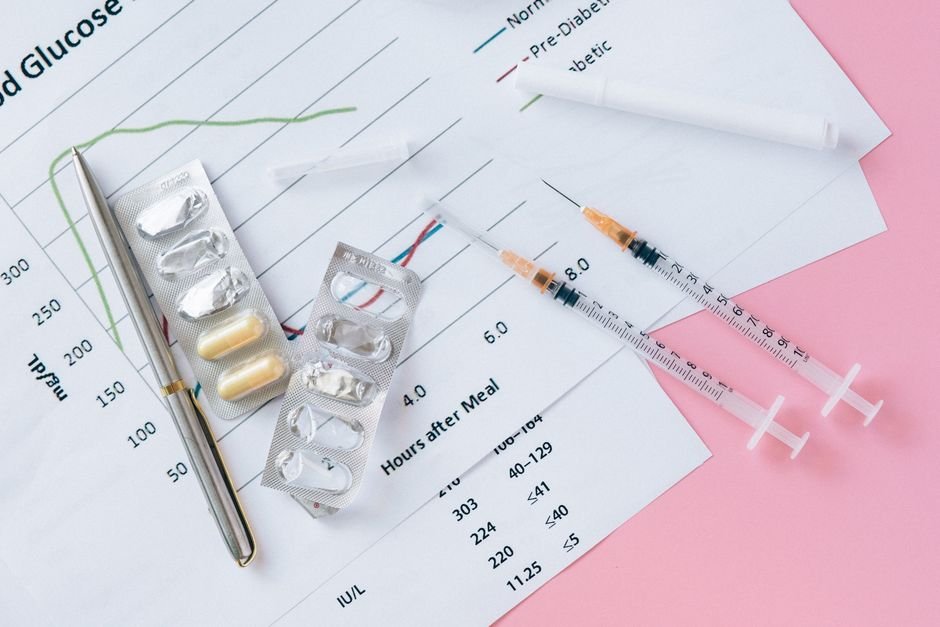
Ayurveda offers a wide range of herbs traditionally used for blood sugar support, extending well beyond the well-known bitter gourd and fenugreek combination. This broader survey covers 12 herbs with varying degrees of modern clinical research behind their traditional use.
12 Ayurvedic Herbs Studied for Blood Sugar Support
1. Bitter Gourd (Karela)
Contains insulin-like compounds with solid clinical trial support for modest blood glucose reduction, as covered in more depth elsewhere.
2. Fenugreek (Methi)
Rich in soluble fiber and a unique amino acid that stimulates insulin secretion, with consistent research support for improving post-meal glucose response.
3. Turmeric (Haldi)
Curcumin’s anti-inflammatory and insulin-sensitizing effects complement other blood sugar interventions.
4. Cinnamon (Dalchini)
Some studies suggest cinnamon may modestly improve insulin sensitivity, though effect sizes are generally smaller and less consistent across studies.
5. Amla (Indian Gooseberry)
Its high antioxidant content has shown modest blood glucose benefits in clinical studies, alongside its well-known immune and cholesterol benefits.
6. Gudmar (Gymnema Sylvestre)
Known in Ayurveda as the ‘sugar destroyer,’ gymnema has research support for reducing sugar cravings and modestly improving insulin function.
7. Neem
Traditional use for blood sugar support has some preliminary research backing, related to neem’s broader anti-inflammatory and antimicrobial properties.
8. Ashwagandha
While primarily known for stress and cortisol reduction, ashwagandha’s cortisol-lowering effect may indirectly support blood sugar control, since chronic stress and elevated cortisol worsen insulin resistance.
9. Guggul
Traditionally used for cholesterol and metabolic support, with some research suggesting modest benefits for related metabolic markers.
10. Jamun (Black Plum) Seeds
Jamun seed powder has traditional and some clinical research support for blood glucose regulation, particularly popular in Indian folk medicine for diabetes management.
11. Holy Basil (Tulsi)
Some studies suggest tulsi may modestly improve fasting blood glucose, alongside its broader adaptogenic and stress-reducing properties.
12. Moringa
As covered in more depth elsewhere, moringa leaf powder has clinical trial support for modest fasting blood glucose reduction.
Using These Herbs Responsibly
These herbs vary considerably in the strength and quantity of supporting clinical evidence — some, like bitter gourd and fenugreek, have relatively robust research support, while others rely more heavily on traditional use with more limited modern clinical trials. None should replace prescribed diabetes medication, and combining multiple blood-sugar-lowering herbs increases the risk of hypoglycemia, making medical guidance and consistent monitoring especially important if using several together.
Frequently Asked Questions
Which of these 12 herbs has the strongest scientific evidence?
Bitter gourd and fenugreek generally have the most consistent clinical trial support among this list for modest blood glucose benefits. Others, like guggul and neem, rely more on traditional use with more limited modern clinical research.
Is it safe to combine several of these herbs together?
Combining multiple blood-sugar-lowering herbs increases the cumulative effect and the risk of hypoglycemia, particularly if also taking diabetes medication. It’s important to discuss any combination with a doctor and monitor blood sugar closely if using more than one.
Can these herbs cure diabetes?
No. These herbs can provide meaningful complementary support for blood sugar management as part of an overall diabetes care plan, but none of them cure diabetes, and they should never replace prescribed medication or medical monitoring.
Subscribe Free →


Leave a Reply