

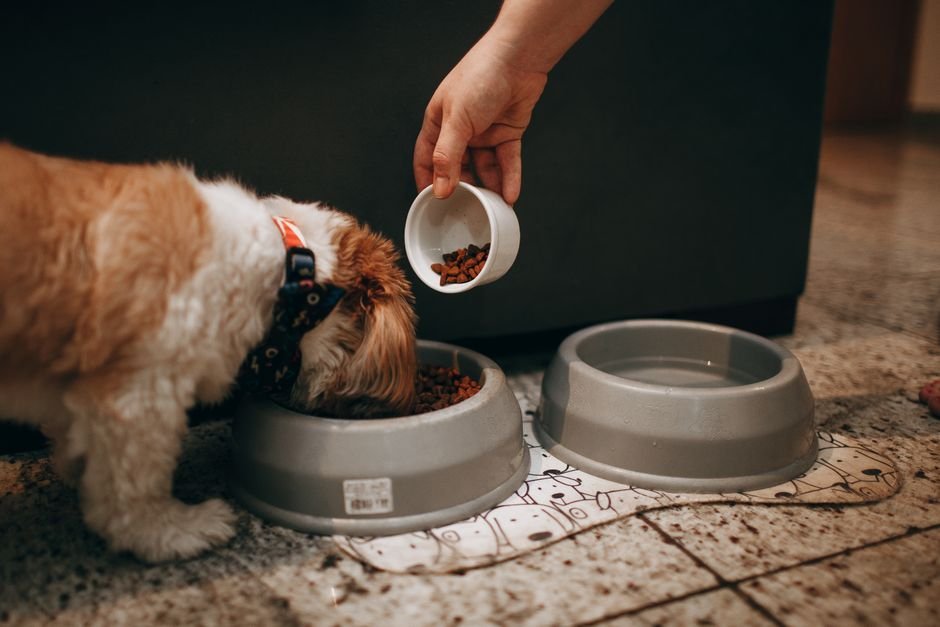
What you feed your dog is one of the most important determinants of their health, energy levels, immune function, longevity, and quality of life.
Understanding Canine Nutritional Needs
Dogs are omnivores with a protein bias. Their optimal macronutrient profile differs from cats — they can synthesise certain amino acids cats cannot, tolerate higher carbohydrate content, and have adapted to starch-rich diets. However, protein from animal sources remains the foundation of optimal canine nutrition.
What Dogs Actually Need
Protein (18-25% minimum): Named meat sources should be among the first ingredients. Fat (5-15%): Essential fatty acids omega-3 (fish oil) and omega-6 must be balanced. Carbohydrates: Dogs can utilise them but do not require them as primary fuel. High-quality sources (sweet potato, brown rice) are preferable to corn and wheat fillers. Complete and balanced: Look for AAFCO or FEDIAF certification.

Reading Dog Food Labels
Ingredients are listed by weight before processing. First ingredient should be a named meat source. Look for AAFCO complete and balanced statement. Red flags: generic meat by-products as primary ingredient, corn syrup, artificial preservatives (BHA, BHT), excessive filler grains.
Foods Dangerous for Dogs
Toxic: Grapes and raisins (kidney failure), xylitol (severe hypoglycaemia — found in sugar-free products), chocolate, onions and garlic, macadamia nuts, alcohol. Generally safe in moderation: Plain cooked chicken, fish, eggs, carrots, green beans, blueberries, plain rice.
Frequently Asked Questions
How often should I feed my dog?
Adult dogs do well with 2 meals per day. Puppies require 3-4 smaller meals daily. Free-feeding is associated with obesity in dogs and is not recommended for most breeds.
Is raw food diet good for dogs?
Raw food diets (BARF — Biologically Appropriate Raw Food) have passionate advocates and genuine concerns. Potential benefits include higher protein bioavailability and palatability. Significant concerns include bacterial contamination risk (Salmonella, Listeria) — a risk to both dogs and their human families — nutritional imbalance in home-prepared raw diets, and bone injury risk. If considering raw feeding, consult a veterinary nutritionist and source from reputable commercial raw food producers with pathogen testing.
Subscribe Free →




Leave a Reply