


Hormonal imbalance is one of the most frequently cited health concerns among women — and one of the most poorly understood. Hormones regulate virtually every function in the body: energy, mood, libido, metabolism, sleep, immune function, and reproductive health. Many hormonal imbalances are significantly responsive to targeted lifestyle interventions.
Understanding Female Hormonal Health
Female hormones operate within a coordinated system involving the hypothalamic-pituitary-ovarian (HPO) axis, the HPA axis (stress response), thyroid function, and liver’s capacity to metabolise and clear spent hormones. Disruption at any point creates downstream imbalances — oestrogen dominance, androgen excess, thyroid dysfunction. Understanding which pattern is at play guides effective intervention.
12 Natural Strategies to Balance Hormones
1. Prioritise sleep above everything. The HPO axis is calibrated during sleep — reproductive hormones follow circadian rhythms. Chronic sleep deprivation disrupts every hormonal system simultaneously.
2. Manage stress and cortisol. Chronic cortisol elevation suppresses progesterone, reduces LH (impairing ovulation), and directly disrupts thyroid function.
3. Optimise liver function. The liver processes spent hormones — particularly oestrogen metabolites. Reducing alcohol, ensuring adequate B vitamins, and eating cruciferous vegetables improves hormonal clearance significantly.
4. Support gut microbiome health. The estrobolome — gut bacteria that metabolise oestrogen — reduces oestrogen clearance when dysbiotic, contributing to oestrogen dominance. High-fibre, fermented food diets directly support healthy oestrogen metabolism.
5. Reduce xenoestrogen exposure. Found in plastics (BPA), conventional cosmetics, pesticide residues, and household chemicals. Switching to glass containers, organic produce, and natural cosmetics reduces daily xenoestrogen load meaningfully.
6. Exercise strategically. Moderate exercise (150+ minutes weekly) improves insulin sensitivity and supports HPO axis function. Excessive high-intensity training without recovery suppresses reproductive hormones — a common driver of hypothalamic amenorrhoea in female athletes.
7. Stabilise blood sugar. Insulin is a master hormone influencing every other hormonal system. Protein-forward meals, fibre, and reduced refined carbohydrates improve insulin sensitivity with cascading benefits across the entire hormonal landscape.
8. Eat cruciferous vegetables daily. DIM and I3C (found in broccoli, cauliflower, Brussels sprouts) support the liver’s oestrogen metabolism pathway, reducing oestrogen dominance.
9. Address micronutrient deficiencies. Vitamin D (regulates oestrogen and testosterone receptor expression), magnesium (regulates cortisol and progesterone), and zinc (essential for LH and thyroid function) are the most clinically significant hormonal micronutrients.
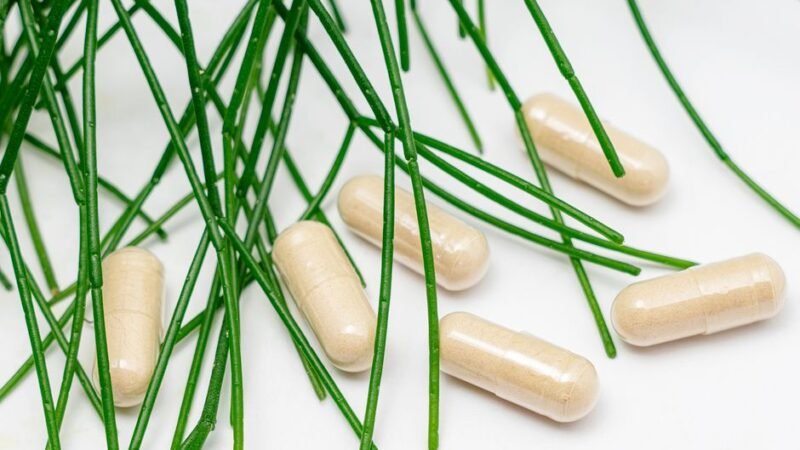
10. Adaptogenic herbs. Ashwagandha (reduces cortisol, supports thyroid), maca root (supports HPO axis, reduces menopausal symptoms), and vitex — chaste tree berry — (supports progesterone and LH in clinical trials).
11. Reduce alcohol. Disrupts oestrogen metabolism, disrupts sleep, depletes B vitamins required for liver function, and directly suppresses progesterone production. Even moderate regular drinking measurably elevates breast cancer risk through these mechanisms.
12. Cycle syncing. Adapting exercise intensity and food choices to align with the four phases of the menstrual cycle — higher intensity and carbohydrate tolerance in the follicular phase; prioritising recovery and protein in the luteal phase.
When to See a Doctor
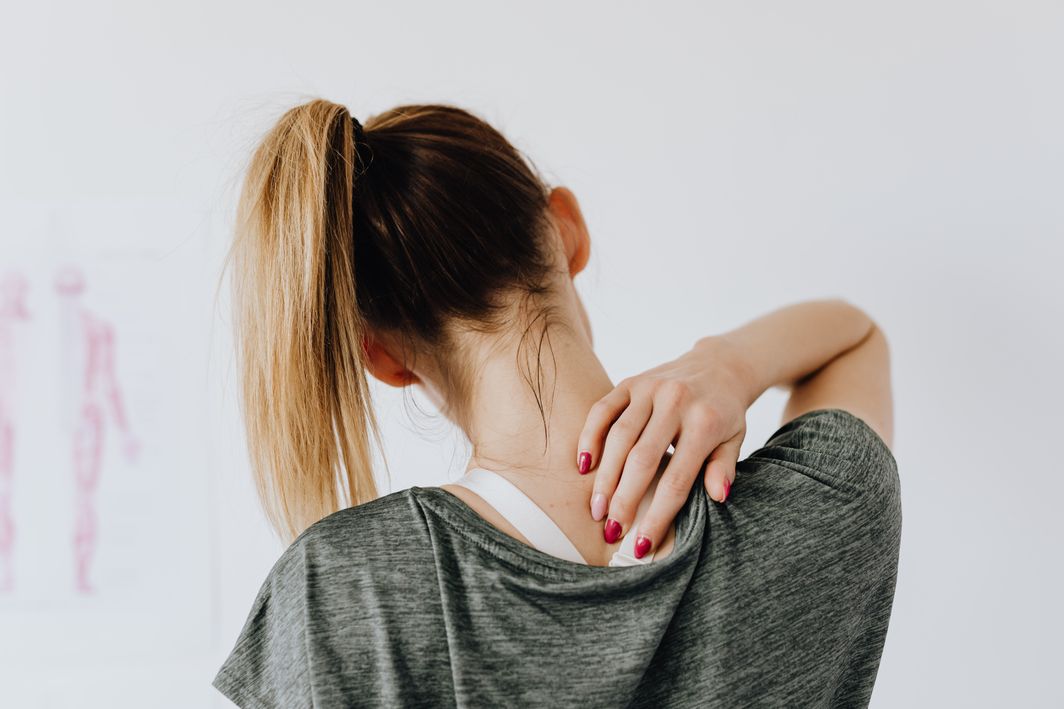
Natural interventions work best for mild-to-moderate imbalances. Seek medical evaluation if you experience: irregular or absent periods for 3+ months; excessive hair loss or gain; severe PMS or PMDD; symptoms suggesting thyroid dysfunction; or infertility. Blood tests provide objective information guiding both lifestyle and pharmacological decisions.
Hormone-Balancing Foods to Include Daily
Flaxseeds: Highest lignan content of any food — modulate oestrogen receptor activity and support oestrogen metabolism. Cruciferous vegetables: DIM and I3C support liver oestrogen processing. Fatty fish: EPA/DHA reduce inflammatory prostaglandins driving PMS symptoms. Pumpkin seeds: Zinc and magnesium — the two most critical minerals for female reproductive hormonal balance.
Frequently Asked Questions
What are signs of hormonal imbalance in women?
Common signs: irregular periods, severe PMS or PMDD, unexplained weight changes, persistent fatigue, mood instability, acne (especially adult jawline), hair thinning or excess hair growth, reduced libido, and sleep disturbances. A hormonal panel blood test provides the most objective diagnostic information.
Can you balance hormones without medication?
Yes — for mild to moderate imbalances, lifestyle interventions produce meaningful hormonal improvements. Sleep, stress management, dietary changes, and targeted supplementation can significantly improve oestrogen metabolism, reduce cortisol, and support thyroid function. Moderate to severe conditions typically benefit from medical management alongside lifestyle intervention.
Subscribe Free →
Not sure exactly how far along you are?
Use our free due date calculator to find your current week, trimester, and days to go.
Calculate My Due Date →

Leave a Reply