

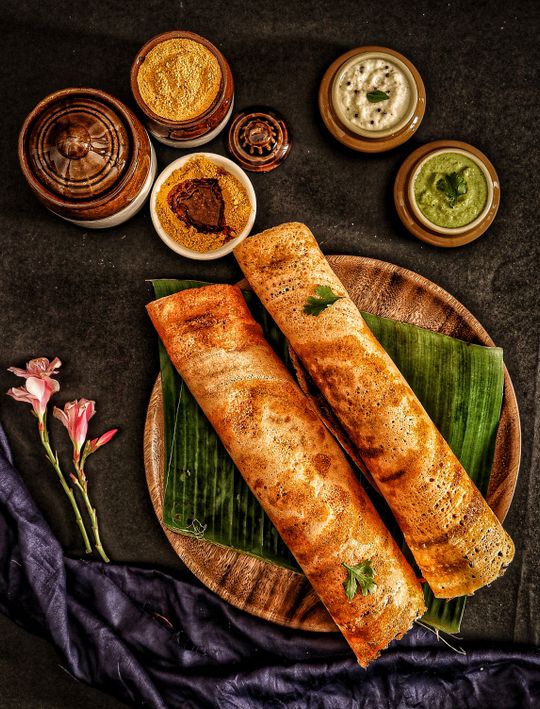
Poha — flattened rice — is one of the most beloved breakfast foods across South Asia. Lightweight, quick to prepare, and deeply satisfying, it has been a morning staple for generations. But for the 537 million people worldwide living with diabetes, a critical question arises every morning: is poha good for diabetics, or will it spike blood sugar?
The answer is more nuanced than a simple yes or no — and understanding why will help you make smarter choices not just about poha, but about carbohydrates broadly. This guide covers the glycaemic science, explains the modifications that make poha genuinely diabetes-friendly, and gives you three tested recipes you can use from tomorrow.
What Is Poha and Its Nutritional Profile?
Poha (also called chivda, aval, or atukulu) is made by parboiling paddy rice, flattening it into flakes, and drying it. The parboiling process partially gelatinises the starch — a detail with meaningful implications for blood sugar response. A standard 100g serving of uncooked poha provides approximately:
- Energy: 333-360 kcal
- Carbohydrates: 73-76g
- Protein: 6-7g
- Fat: 1-2g
- Fibre: 0.5-1.2g (low in plain poha)
- Iron: up to 20mg (enriched varieties) — one of the highest plant-based iron sources available
Plain poha is relatively low in fibre — which is the key issue for the glycaemic discussion. However, this is easily addressed through preparation.

Glycaemic Index of Poha: What the Research Says
The glycaemic index (GI) of plain poha ranges from approximately 70-76 — placing it in the medium-to-high GI category. White rice has a GI of approximately 72; brown rice approximately 55. However, GI is only half the story.
The glycaemic load (GL) — which accounts for both GI and actual carbohydrate quantity consumed — is more practical. A standard 150g cooked serving of poha has a GL of approximately 24-28. When poha is prepared with vegetables, protein (peanuts, sprouts, eggs), and fat, the effective glycaemic impact drops by as much as 30-40% — because protein, fat, and fibre all slow gastric emptying and blunt the glucose response. This is the same principle behind the Mediterranean diet’s low-inflammation profile despite containing carbohydrates.
Health Benefits of Poha for Diabetics
1. High Iron Content
Enriched poha contains up to 20mg iron per 100g — exceptional for a grain food. Iron deficiency worsens insulin resistance, making adequate iron intake particularly important for people with type 2 diabetes. Consume with vitamin C sources (tomatoes, lemon juice) to significantly improve absorption.
2. Highly Digestible
The parboiling and flattening process makes poha one of the lightest, easiest-to-digest carbohydrate foods — significantly gentler than whole grains like barley or intact rice for people with diabetes who also experience digestive issues.
3. Versatile for Blood Sugar Management
Unlike roti or rice, poha’s texture absorbs vegetables, proteins, and spices beautifully — making it one of the easiest breakfast bases to fortify nutritionally. Meal composition (not just carb quantity) determines the glycaemic response.
4. Resistant Starch After Cooling
Like cooked and cooled rice, slightly cooled poha develops resistant starch — a form of starch that behaves like dietary fibre, feeding gut bacteria rather than raising blood sugar. Allowing poha to cool for 10 minutes before eating may modestly reduce glycaemic impact.
How to Make Poha Diabetes-Friendly: 6 Modifications
- Add protein at every serving: Roasted peanuts, beaten egg stirred in while cooking, or crumbled paneer — aim for at least 10-15g protein per serving. This single change produces the largest reduction in glycaemic response.
- Load with non-starchy vegetables: Onion, tomato, capsicum, green peas, and grated carrot add fibre and volume while diluting carbohydrate density. A vegetable-heavy poha has 30-40% fewer net carbs per bowl.
- Add lemon juice: Acidity reduces glycaemic index — studies show adding lemon or vinegar to a carbohydrate meal reduces the blood glucose spike by approximately 20-30%.
- Use thick (jada) poha: Thicker flakes have a lower surface area-to-volume ratio, resulting in slower starch digestion compared to thin flakes.
- Portion control: One serving should be approximately 150-180g cooked (about ¾ cup uncooked). A kitchen scale for the first few weeks builds reliable intuition.
- Post-meal walk: A 10-15 minute walk after eating reduces postprandial blood glucose by 22-30% — more effectively than any food modification.
3 Diabetes-Friendly Poha Recipes
Recipe 1: High-Protein Vegetable Poha (38g protein)
Ingredients (1 serving): ¾ cup thick poha (washed, drained), 2 tbsp roasted peanuts, 1 scrambled egg, ½ cup diced onion and capsicum, ½ cup frozen peas, 1 tsp mustard seeds, curry leaves, ½ tsp turmeric, lemon juice, fresh coriander.
Method: Temper mustard seeds and curry leaves in 1 tsp oil. Add onion until translucent. Add capsicum and peas. Scramble egg through vegetables. Add drained poha, turmeric, salt, peanuts. Cook 2-3 minutes. Finish with lemon juice and coriander. Allow to cool 5-10 minutes before serving. Estimated GI impact: Medium-Low.
Recipe 2: Sprouted Moong Poha Bowl (14g protein, no cooking)
Ingredients: ½ cup thin poha (soaked 2 min, drained), ½ cup mixed sprouted lentils (moong, chana), diced tomato, cucumber, onion, green chilli, roasted cumin powder, chaat masala, lemon juice.
Method: Mix all ingredients. Season and serve immediately. The sprouting process reduces phytic acid and increases protein bioavailability significantly. Estimated GI impact: Low — one of the best options for diabetics.
Recipe 3: Poha Oats Upma (12g protein, lowest GI)
Ingredients: ½ cup thick poha, ¼ cup rolled oats, mixed vegetables, peanuts, standard tempering spices.
Method: Mix oats into poha during preparation — the beta-glucan fibre in oats specifically blunts postprandial glucose spikes and reduces LDL cholesterol. This combination is nutritionally superior to plain poha while tasting virtually identical. Estimated GI impact: Medium-Low.
Frequently Asked Questions
Is poha better than roti for diabetics?
Both have similar carbohydrate content but affect blood sugar differently. Plain roti (whole wheat atta) has a GI of approximately 62, slightly lower than plain poha at 70-76. However, protein- and vegetable-enriched poha can match or outperform plain roti on glycaemic impact. The key variable is preparation — the enriched versions of both are broadly comparable, making preference and digestibility the deciding factors for individual choice.
How much poha can a diabetic eat per day?
Most diabetes nutrition guidelines suggest limiting total carbohydrates to 45-60g per meal. A 150g cooked serving of enriched poha contains approximately 30-35g net carbohydrate — fitting comfortably within this range for one meal. Monitor your personal blood glucose response 2 hours after eating, as individual responses to the same food vary significantly based on insulin sensitivity, medications, and other meal components.
Can poha be eaten at night by diabetics?
Evening meals generally produce higher blood glucose responses than the same food eaten in the morning due to diurnal variation in insulin sensitivity. For most diabetics, poha is better suited as a morning or lunchtime food. If consumed in the evening, additional protein, reduced portion size, and a post-meal walk are particularly important.
Subscribe Free →

Leave a Reply