

One of the most persistent myths in nutrition is that plant-based eating makes it impossible to get enough protein. In reality, a well-planned vegetarian diet can meet — and even exceed — protein requirements for muscle building, athletic performance, and healthy ageing. The key is knowing which ingredients to build meals around and how to combine them for complete amino acid profiles.
These 10 recipes each provide 25g or more of protein per serving, are meal-prep friendly, and are designed to satisfy even serious fitness goals. Every recipe includes the complete nutritional breakdown and prep time.
The Plant Protein Completeness Myth — Debunked
For decades, people were told they needed to ‘combine complementary proteins’ at every meal to get complete amino acid profiles from plant foods. This theory has been substantially revised. The American Dietetic Association’s position (supported by current evidence) is that as long as varied plant proteins are eaten across the day, complementary combining at every single meal is unnecessary. The body maintains an amino acid pool that draws from meals over the course of the day.
That said, certain plant proteins are more complete than others. The most ‘complete’ plant proteins — those with all essential amino acids in adequate ratios — include: soy and edamame, quinoa, buckwheat, hemp seeds, chia seeds, and spirulina. Eggs and dairy (for lacto-ovo vegetarians) provide complete protein equivalent to meat.

Best High-Protein Vegetarian Ingredients
| Ingredient | Protein per 100g | Notes |
|---|---|---|
| Seitan (wheat gluten) | 25g | Highest protein density — not suitable for gluten intolerance |
| Tempeh | 19g | Fermented soy — excellent digestibility and probiotics |
| Edamame (cooked) | 11g | Complete protein, high fibre, very easy to prepare |
| Greek Yogurt (plain) | 10g | Complete protein, probiotics, high calcium |
| Cottage Cheese | 11g | Casein protein — slow-digesting, excellent satiety |
| Lentils (cooked) | 9g | High iron and fibre alongside protein |
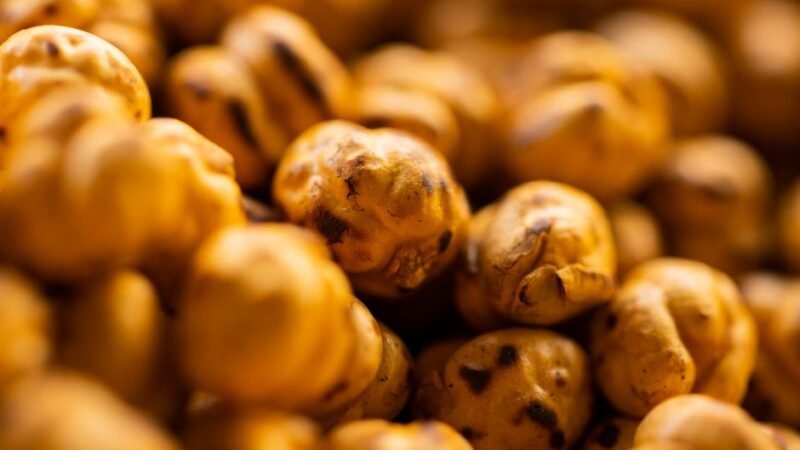
| Chickpeas (cooked) | 8.9g | Versatile, high fibre, iron, and folate |
| Eggs | 13g | Highest biological value protein, complete amino acids |
| Hemp Seeds | 31g | Most complete plant protein by amino acid profile |
| Quinoa (cooked) | 4.4g | Complete protein carbohydrate — pairs excellently with legumes |
10 High-Protein Vegetarian Recipes (25g+ Each)
Recipe 1: Paneer Tikka Protein Bowl — 32g protein
Ingredients (1 serving): 200g paneer (cubed), ½ cup quinoa (cooked), ½ cup chickpeas (drained), mixed peppers, onion, tikka spice paste, Greek yogurt for marinade, fresh coriander, lemon.
Method: Marinate paneer in tikka paste and yogurt for 30 min. Grill or pan-fry until charred. Serve over quinoa with chickpeas and roasted peppers. Finish with lemon and coriander. Prep: 40 min (including marinating).
Recipe 2: Tempeh Stir-Fry with Edamame — 38g protein
Ingredients: 150g tempeh (cubed), 1 cup edamame (shelled), mixed vegetables, 2 tbsp tamari, 1 tsp sesame oil, garlic, ginger, chilli, brown rice (½ cup cooked).
Method: Pan-fry tempeh until golden. Add garlic, ginger, vegetables, edamame. Add tamari and sesame oil. Serve over brown rice. Prep: 20 min. Protein breakdown: tempeh 28g, edamame 10g.
Recipe 3: Greek Yogurt Shakshuka — 28g protein
Ingredients: 3 eggs, 200ml passata, 1 tin white beans, onion, garlic, cumin, paprika, chilli, 3 tbsp Greek yogurt to serve, fresh parsley.
Method: Saute onion, garlic, spices. Add passata and beans, simmer 10 min. Make wells and crack eggs. Cover and cook 5-7 min until whites set. Serve with yogurt. Prep: 20 min.
Recipe 4: Lentil Dal with Cottage Cheese Raita — 30g protein
Ingredients: 1 cup red lentils (dry), 200g cottage cheese (raita), cucumber, cumin, turmeric, onion, tomato, garlic, ginger, mustard seeds, curry leaves.
Method: Standard dal method — temper spices, add lentils and stock, simmer 20 min. Mix cottage cheese with cucumber, roasted cumin for raita. Prep: 30 min. Lentil dal: 18g, raita: 12g.
Recipe 5: Hemp Seed Power Smoothie Bowl — 26g protein
Ingredients: 200g Greek yogurt, 2 tbsp hemp seeds (20g), 1 scoop plant protein powder (if available), frozen berries, banana, granola, additional hemp seeds to top.
Method: Blend yogurt, berries, banana until thick. Pour into bowl. Top with hemp seeds, granola, fresh fruit. Prep: 5 min. Protein: yogurt 20g, hemp seeds 6g.
Recipe 6: Seitan and Vegetable Kebabs — 35g protein
Ingredients: 150g seitan (sliced), courgette, capsicum, cherry tomatoes, mushrooms, olive oil, lemon, garlic, oregano, thyme. Tzatziki to serve.
Method: Thread seitan and vegetables onto skewers. Brush with herb-garlic oil. Grill 4-5 min each side. Serve with tzatziki and wholegrain pitta. Prep: 20 min.
Recipe 7: Egg and Lentil Breakfast Hash — 27g protein
Ingredients: 2 eggs (fried), ½ cup cooked lentils, sweet potato (diced and roasted), spinach, onion, cumin, smoked paprika, olive oil.
Method: Roast sweet potato cubes 20 min. Pan-fry onion with spices, add lentils and sweet potato, stir until combined. Add spinach. Top with fried eggs. Prep: 30 min.
Recipe 8: Tofu Scramble with Nutritional Yeast — 28g protein
Ingredients: 300g firm tofu (crumbled), 3 tbsp nutritional yeast (10g protein), turmeric, black salt (kala namak for egg flavour), onion, capsicum, spinach, garlic.
Method: Crumble tofu into hot pan with oil. Add turmeric, black salt. Add vegetables and cook 5 min. Stir through nutritional yeast at end. Prep: 15 min.
Recipe 9: Chickpea and Halloumi Salad — 30g protein
Ingredients: 100g halloumi (grilled), 1 tin chickpeas, cucumber, cherry tomatoes, red onion, mint, parsley, lemon, olive oil, sumac.
Method: Grill halloumi slices until golden. Toss chickpeas with vegetables and herbs. Add dressing. Top with halloumi. Prep: 15 min. Halloumi: 18g, chickpeas: 12g.
Recipe 10: Black Bean and Egg Burrito Bowl — 26g protein
Ingredients: 2 eggs (scrambled), ½ cup black beans, brown rice, avocado, salsa, corn, jalapeños, lime juice, coriander, cumin.
Method: Cook rice. Season black beans with cumin, lime. Scramble eggs. Layer rice, beans, eggs, avocado, salsa. Top with coriander and jalapeños. Prep: 20 min.
How to Combine Plant Proteins for Complete Amino Acid Coverage
The most effective pairings for complete amino acid profiles:
- Legumes + grains: Rice and lentils, bean burritos, hummus and pitta, pea soup and bread — the classic combination providing complementary methionine (grains) and lysine (legumes)
- Legumes + seeds: Chickpeas and tahini (hummus), lentil soup with hemp seeds
- Grains + dairy: Oats and milk, pasta and cheese — both complete proteins combined
- Any protein + eggs: Eggs have the highest biological value of any food — adding eggs to plant proteins creates a complete, highly bioavailable combination
Hitting Your Daily Protein Target as a Vegetarian
Evidence suggests aiming for 1.2-1.6g protein per kg bodyweight daily for active vegetarians — slightly higher than the general recommendation because plant proteins typically have lower digestibility and bioavailability than animal proteins (corrected protein digestibility-corrected amino acid score or PDCAAS is lower for most plants than animal proteins).
For a 70kg active vegetarian, this means 84-112g protein daily. Using the recipes above, hitting this target is entirely feasible across three meals. See our complete meal prep guide for weekly planning strategies.
Frequently Asked Questions
Can vegetarians build muscle as effectively as meat eaters?
Yes — the evidence consistently shows that vegetarians and vegans can build equivalent muscle mass and strength to omnivores when total protein intake and training are equated. The key variable is total daily protein intake (1.6-2.2g per kg bodyweight) rather than protein source. Plant-protein-fed athletes competing at the highest levels are now common across powerlifting, bodybuilding, and endurance sports — demonstrating the practical viability of high-performance plant-based eating.
What is the single best high-protein vegetarian food?
Hemp seeds are arguably the most impressive single food — 31g protein per 100g with the most complete amino acid profile of any plant food. They require no cooking, can be added to anything, and provide excellent omega-3 ALA alongside their protein content. However, for meal-building versatility, tempeh is the gold standard — 19g protein per 100g, complete amino acids, fermented for superior digestibility, and works in virtually every cuisine.
Do vegetarians need protein supplements?
Not necessarily — adequate protein is achievable from whole food sources alone with strategic meal planning. However, protein supplements (particularly plant-based blends of pea + rice protein, which together provide complete amino acids) offer convenience, consistency, and the ability to easily add 20-25g protein to any meal. They are particularly useful for athletes with high protein requirements (above 1.8g/kg bodyweight) who find it challenging to hit targets from food alone.
Subscribe Free →


Leave a Reply