

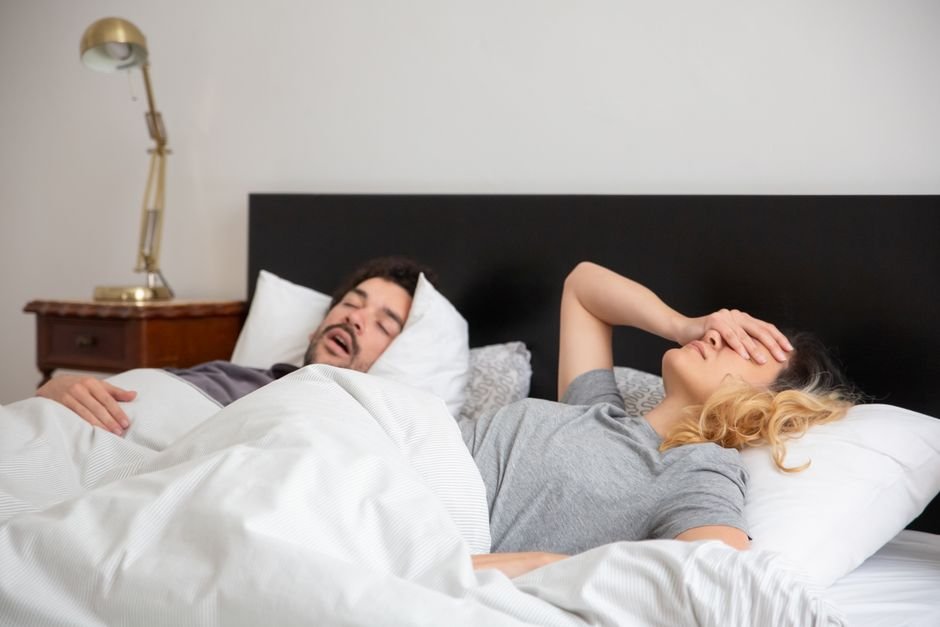
Sleep apnoea is one of the most common yet most underdiagnosed medical conditions in the world. An estimated 1 billion people have obstructive sleep apnoea globally, yet up to 80% of cases remain undiagnosed. It is also one of the most consequential undiagnosed conditions: untreated moderate-to-severe sleep apnoea more than doubles the risk of cardiovascular events, significantly increases stroke risk, and is independently associated with type 2 diabetes, hypertension, cognitive decline, and depression.
The reason so many cases go undiagnosed is simple: most people do not know they stop breathing dozens or hundreds of times each night. Their brain wakes them just enough to restore breathing — but not enough to reach conscious awareness. The result is years of fragmented, non-restorative sleep attributed to stress, insomnia, or simply ‘not being a morning person.’
What Is Sleep Apnoea?
Sleep apnoea is characterised by repeated episodes of complete or partial upper airway obstruction during sleep, causing breathing to stop temporarily. There are three types:
- Obstructive Sleep Apnoea (OSA): The most common form (90%+ of cases) — the throat muscles relax during sleep, the soft tissue collapses, and the airway closes. The brain detects oxygen desaturation, triggers a brief arousal to restore muscle tone, and the cycle repeats — often 30-100+ times per hour in severe cases.
- Central Sleep Apnoea (CSA): The brain fails to send appropriate signals to breathing muscles — a neurological rather than structural issue. Less common; often associated with heart failure or narcotic use.
- Complex/Mixed Sleep Apnoea: A combination of both OSA and CSA features.
Severity is measured by the Apnoea-Hypopnoea Index (AHI) — the number of apnoea events per hour: Mild OSA: 5-14 events/hour; Moderate OSA: 15-29 events/hour; Severe OSA: 30+ events/hour.

Signs and Symptoms Most People Miss
The Obvious Signs (Usually Reported by a Partner)
- Loud, habitual snoring — particularly snoring with gasping, choking, or sudden silences followed by a loud snort
- Witnessed apnoeas — a partner observing you stop breathing during sleep
- Restless sleep, frequent position changes
The Subtle Signs (Often Attributed to Other Causes)
- Excessive daytime sleepiness: The hallmark symptom — falling asleep in sedentary situations (watching TV, as a passenger in a car), difficulty staying alert at work, or needing naps regardless of sleep duration
- Morning headaches: CO2 retention during apnoea events causes cerebral vasodilation — producing the characteristic dull morning headache that resolves within an hour of waking
- Waking with a dry mouth or sore throat
- Nocturia (waking to urinate 2+ times nightly): Apnoea events increase atrial natriuretic peptide, signalling the kidneys to produce more urine — one of the least known symptoms of OSA
- Mood disturbances and cognitive impairment: Memory problems, difficulty concentrating, irritability, and depression are all consistent findings in untreated OSA
- Reduced libido and erectile dysfunction: Sleep fragmentation suppresses testosterone production — both OSA and its resulting testosterone deficiency contribute to sexual dysfunction
- Treatment-resistant hypertension: Up to 30-40% of people with hypertension that does not respond to medication have undiagnosed OSA as a contributing cause
Serious Health Risks of Untreated OSA
Sleep apnoea is not merely a sleep nuisance — it is a serious medical condition with profound systemic consequences:
Cardiovascular Risk
Every apnoea event causes: acute hypoxia (oxygen desaturation), sympathetic nervous system activation (adrenaline surge), blood pressure spike, and increased cardiac workload. Repeated thousands of times per night for years, this creates: significantly increased risk of hypertension, atrial fibrillation, heart failure, myocardial infarction, and stroke. The Sleep Heart Health Study found moderate-to-severe untreated OSA was associated with a 2-3 fold increase in cardiovascular event risk.
Metabolic Impact
OSA promotes insulin resistance through sleep fragmentation and intermittent hypoxia — both activate inflammatory pathways that impair glucose metabolism. People with moderate-to-severe OSA have significantly higher rates of type 2 diabetes, and treatment of OSA modestly but measurably improves insulin sensitivity.
Cognitive and Mental Health Impact
Chronic sleep fragmentation from OSA impairs memory consolidation, executive function, and attention. Long-term untreated OSA is associated with accelerated cognitive decline and increased dementia risk. Depression is both a consequence and a worsening factor in OSA — the relationship is bidirectional.
How Sleep Apnoea Is Diagnosed
If you suspect sleep apnoea, the pathway to diagnosis:
- GP/Primary care assessment: A standardised questionnaire (STOP-BANG is the most widely used screening tool) assesses risk. High-risk individuals are referred for sleep testing.
- Home Sleep Test (HST): A portable device worn during sleep at home that monitors airflow, blood oxygen, heart rate, and breathing effort. Accessible, affordable, and appropriate for most suspected OSA cases.
- In-laboratory Polysomnography (PSG): The gold standard — comprehensive sleep study monitoring 16+ physiological channels simultaneously. Required for complex cases, suspected central sleep apnoea, or inconclusive home testing.
Evidence-Based Treatment Options
CPAP (Continuous Positive Airway Pressure) — Gold Standard
CPAP delivers a continuous stream of pressurised air through a mask, acting as a pneumatic splint to keep the airway open during sleep. It is the most effective treatment for moderate-to-severe OSA, producing: elimination of apnoea events in most users, significant improvements in daytime sleepiness, measurable blood pressure reductions (4-10 mmHg in hypertensive OSA patients), improved mood, cognitive function, and quality of life.
The primary limitation is adherence — approximately 30-50% of prescribed CPAP users do not use it adequately. Modern CPAP machines with heated humidification, auto-titrating pressure (APAP), and data connectivity have significantly improved adherence rates. If you have been prescribed CPAP and struggle with it, do not abandon treatment — speak to a sleep clinician about mask fit, pressure settings, and humidification adjustments.
Mandibular Advancement Devices (MADs)
Custom-fitted oral devices that hold the lower jaw and tongue forward during sleep, increasing upper airway space. Less effective than CPAP for moderate-to-severe OSA but significantly better adhered to. The evidence supports MADs as an appropriate alternative for mild-to-moderate OSA and for CPAP-intolerant patients with more severe OSA — particularly when the choice is between inconsistent CPAP use and consistent MAD use.
Positional Therapy
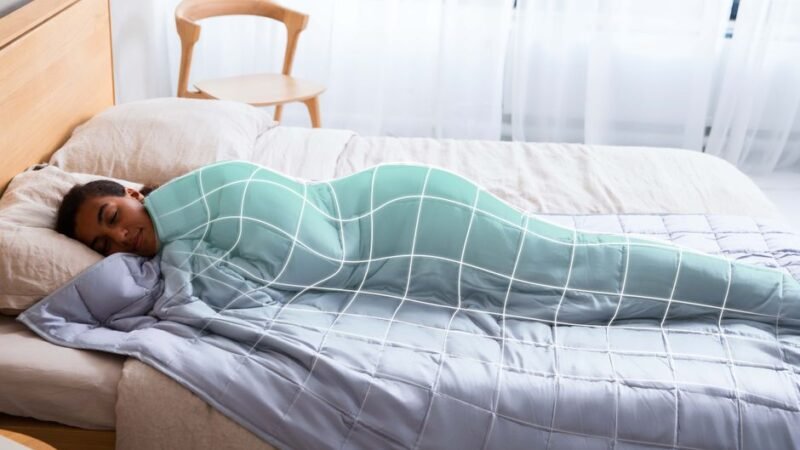
In positional OSA (where apnoea events occur predominantly in the supine/back-sleeping position — affects approximately 50-60% of OSA patients), sleeping in a non-supine position can reduce AHI by 50%+ without any device. Positional therapy devices (vibrating sensors that alert when the wearer rolls onto their back) have good evidence for positional OSA and are an appropriate adjunct or alternative for mild-to-moderate cases.
Upper Airway Stimulation (Inspire)
An implantable device that delivers gentle stimulation to the hypoglossal nerve, maintaining upper airway tone during sleep. Approved for patients with moderate-to-severe OSA who cannot tolerate CPAP. Produces significant AHI reductions and is increasingly available, though requires surgical implantation.
Surgical Options
Uvulopalatopharyngoplasty (UPPP) and more targeted procedures (tongue base reduction, maxillomandibular advancement) are reserved for specific anatomical situations or CPAP-intolerant patients. Surgical outcomes are variable — thorough assessment by a sleep medicine specialist and ENT surgeon is essential before considering surgery.
Lifestyle Changes That Reduce OSA Severity
- Weight loss (most impactful modifiable factor): OSA severity is strongly correlated with body weight — particularly central obesity and neck circumference. Even 10% weight loss produces meaningful AHI reductions in overweight/obese OSA patients, and some achieve remission. Weight loss does not replace CPAP for moderate-to-severe OSA but should be pursued in parallel.
- Avoid alcohol before bed: Alcohol is a muscle relaxant that directly worsens upper airway collapse during sleep — avoiding alcohol within 3-4 hours of bed significantly reduces nightly apnoea severity.
- Avoid sedative medications: Benzodiazepines, muscle relaxants, and some antihistamines worsen OSA through similar mechanisms to alcohol.
- Positional change: Side-sleeping versus back-sleeping reduces AHI by 50%+ in positional OSA — one of the most impactful free interventions available.
- Manage nasal congestion: Chronic nasal obstruction (from allergies, deviated septum) significantly worsens OSA by increasing oral breathing and pharyngeal negative pressure. Treating nasal obstruction improves CPAP tolerance and reduces OSA severity.
Frequently Asked Questions
Can sleep apnoea go away on its own?
Mild sleep apnoea can improve significantly — or occasionally resolve — with weight loss, positional therapy, and elimination of alcohol before bed. Moderate-to-severe OSA very rarely resolves without intervention and should be treated medically. Children with OSA often experience significant improvement after tonsil and adenoid removal. In adults, structural changes with age typically make untreated OSA progressively worse rather than better.
Is snoring the same as sleep apnoea?
No — snoring and sleep apnoea are related but distinct. Simple snoring (without apnoea events) is caused by soft tissue vibration during breathing and does not involve airway obstruction or oxygen desaturation. However, snoring is a significant risk factor for OSA, and many people progress from simple snoring to OSA over time. The distinguishing features of OSA versus simple snoring are: witnessed apnoeas, excessive daytime sleepiness, morning headaches, and nocturia — alongside the snoring.
Can children have sleep apnoea?
Yes — paediatric OSA affects approximately 1-5% of children and has different typical causes than adult OSA. The most common cause in children is enlarged tonsils and adenoids. Paediatric OSA can cause: behavioural problems and hyperactivity (often mistaken for ADHD), poor school performance, growth problems, and bed-wetting. The primary treatment in children is adenotonsillectomy (tonsil and adenoid removal), which produces complete resolution in approximately 80% of cases.
Subscribe Free →

Leave a Reply