

Sleep hygiene is not a collection of arbitrary habits — it is a set of evidence-based interventions that support the two biological sleep systems: the circadian rhythm (regulated primarily by light) and sleep pressure (adenosine accumulation across waking hours). Understanding why each habit works is what makes them stick.
Why Sleep Hygiene Works
Sleep hygiene practices work by supporting both biological systems: anchoring the circadian clock through consistent light-dark exposure, and allowing sleep pressure to build appropriately by avoiding naps and stimulants. Each habit has a specific neurobiological mechanism — understanding these mechanisms transforms vague advice into targeted interventions.
10 Non-Negotiable Sleep Habits
1. Fix your wake time first. Same time every day — including weekends — within 30 minutes. This anchors the circadian clock, which then determines sleep onset timing automatically.
2. Morning natural light within 1 hour. Sets melatonin timing 14-16 hours later. Even on cloudy days, outdoor light is 10-50x more powerful than indoor lighting.
3. No caffeine after 2pm. Caffeine has a 5-7 hour half-life and blocks adenosine receptors — the sleep pressure system. A 3pm espresso means half the caffeine is still active at 9-10pm.
4. Cool bedroom to 16-19°C. Core body temperature must drop 1-3°F to initiate sleep. A warm bedroom prevents this — the most commonly overlooked disruptor.
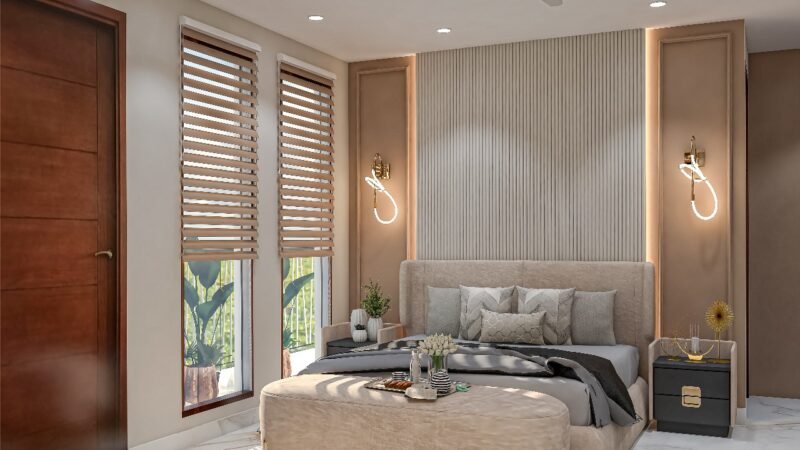
5. Complete darkness. The brain detects light through closed eyelids. Even dim streetlight suppresses melatonin. Blackout curtains or a well-fitted sleep mask are genuine evidence-backed interventions.
6. No alcohol within 3 hours of bed. Alcohol fragments second-half-of-night sleep and suppresses REM — people feel they slept but wake unrested even after 8 hours.
7. 60-minute wind-down routine. Consistent pre-sleep sequence conditions the nervous system. Over 2-3 weeks, Pavlovian conditioning produces measurable arousal reduction by the time you lie down.
8. No screens 60 minutes before bed or use blue light glasses. Blue light suppresses melatonin for twice as long as green light and shifts circadian rhythms by up to 3 hours.
9. Never lie awake in bed more than 20 minutes. Stimulus control therapy: get up, do something quiet in dim light, return only when sleepy. Breaks the bed-wakefulness association underlying insomnia.
10. Magnesium glycinate before bed. Binds to GABA receptors, regulates cortisol, activates parasympathetic nervous system. Deficiency (~48% of adults) is directly associated with insomnia. 300-400mg 60-90 minutes before bed.

Your Nightly Sleep Checklist
- ☐ Same wake time set for tomorrow
- ☐ No caffeine after 2pm
- ☐ Bedroom temperature 16-19°C
- ☐ Blackout curtains closed / sleep mask ready
- ☐ Phone charging outside bedroom
- ☐ No alcohol in last 3 hours
- ☐ Screens off or blue light glasses on
- ☐ 60-minute wind-down started
- ☐ Magnesium glycinate taken
- ☐ White noise or ear plugs if needed
When Sleep Hygiene Is Not Enough
If you have consistently practised all 10 habits for 4+ weeks and still have significant insomnia, consider: screening for sleep apnoea (affects ~25% of adults, often undiagnosed), assessment for anxiety or depression, or Cognitive Behavioural Therapy for Insomnia (CBT-I) — the gold standard treatment for chronic insomnia, superior to sleeping medications in head-to-head trials.
Frequently Asked Questions
What is the most important sleep hygiene habit?
Fixing your wake time is the highest-impact single intervention — more impactful than any other change. The wake time anchors the circadian clock, which regulates sleep onset, hormone timing, digestion, immune function, and dozens of other biological processes.
Can good sleep hygiene cure insomnia?
Sleep hygiene cures situational insomnia in most cases. For chronic insomnia disorder — involving nervous system hyperarousal — sleep hygiene is necessary but usually insufficient alone. CBT-I, which includes sleep hygiene alongside sleep restriction therapy and cognitive restructuring, produces superior long-term outcomes.
Subscribe Free →
Leave a Reply