

📋 Table of Contents
“Nervous system regulation” was named among the leading wellness themes heading into 2026, and vagus nerve exercises sit at the center of it — simple physical techniques said to shift the body out of a stressed, fight-or-flight state and into a calmer, rest-and-digest state. Some of these techniques have real physiological backing; others are overstated by wellness marketing. Here’s a grounded look at what actually works.
What Is the Vagus Nerve?
The vagus nerve is the longest cranial nerve in the body, running from the brainstem down through the neck, chest, and abdomen, connecting to the heart, lungs, and digestive organs. It is the primary nerve of the parasympathetic nervous system — the branch responsible for slowing heart rate, supporting digestion, and returning the body to a calm baseline after stress. “Vagal tone” refers to how effectively this nerve regulates that calming response; higher vagal tone is generally associated with better stress resilience, emotional regulation, and heart rate variability.
Why Nervous System Regulation Is Trending
Chronic low-grade stress — from constant notifications, always-on work culture, and information overload — keeps many people in a mild, sustained state of physiological alert without a clear “danger” to resolve. Wearable devices that track heart rate variability have made this pattern visible to consumers for the first time, driving demand for concrete, low-cost tools to shift out of it. Vagus nerve exercises answer that demand because they’re free, quick, and don’t require equipment.
8 Vagus Nerve Exercises
1. Extended Exhale Breathing
Breathing with a longer exhale than inhale (for example, inhaling for 4 counts and exhaling for 6–8) directly stimulates vagal activity. This is the single most consistently supported technique in the research on voluntary vagal stimulation.
2. Humming or Chanting
The vagus nerve passes near the vocal cords and inner ear muscles; humming, chanting, or gargling activates these muscles and has been shown in small studies to increase vagal tone.
3. Cold Exposure
Briefly splashing cold water on the face or ending a shower with 15–30 seconds of cold water triggers the mammalian dive reflex, which slows heart rate via vagal activation.
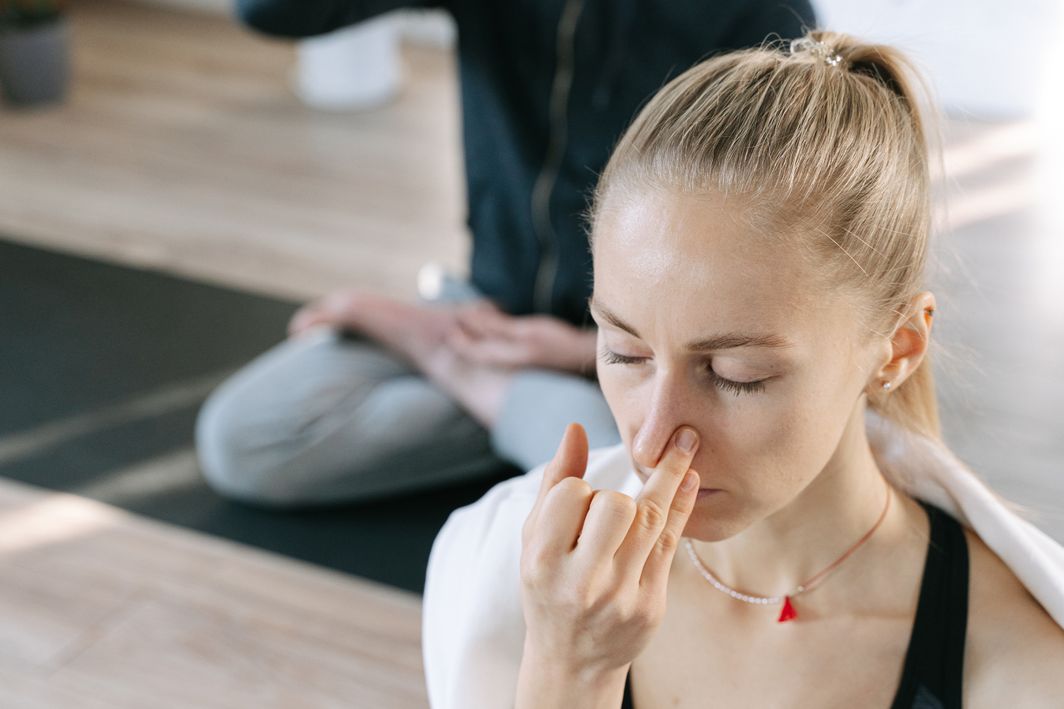
Slow, extended-exhale breathing is the most evidence-backed vagus nerve technique. Photo: Pexels
4. Diaphragmatic Breathing
Deep belly breathing (as opposed to shallow chest breathing) mechanically stimulates the vagus nerve as it passes through the diaphragm, and is one of the most accessible techniques to practice anywhere.
5. Gentle Neck and Ear Massage
Light massage along the sides of the neck or gentle pressure on the outer ear (where a branch of the vagus nerve is close to the surface) is used in some clinical vagal stimulation protocols and is a low-risk technique to try.
6. Laughter
Genuine laughter engages the diaphragm and has been associated with short-term increases in vagal activity and heart rate variability in small studies.
7. Social Connection
Polyvagal theory researchers highlight face-to-face social engagement — eye contact, warm tone of voice — as a regulator of the nervous system, since safe social cues signal to the body that a threat has passed.
8. Consistent, Moderate Exercise
Regular aerobic exercise is one of the most well-established long-term strategies for improving baseline vagal tone and heart rate variability, more so than any single acute technique.
Guided breathing tools, meditation cushions, and heart rate variability wearables to support daily regulation practice.
When to Seek Professional Support
These techniques can meaningfully reduce day-to-day stress reactivity, but they are not a substitute for treatment of clinical anxiety, panic disorder, PTSD, or depression. If stress or anxiety is significantly interfering with daily functioning, sleep, or relationships, a licensed therapist or physician can help identify the right level of care.
Frequently Asked Questions
How quickly do vagus nerve exercises work?
Some techniques, like extended-exhale breathing or cold water exposure, can produce a noticeable calming effect within a minute or two by directly triggering the parasympathetic response. Long-term improvements in baseline vagal tone build gradually with consistent practice over weeks.
Can vagus nerve exercises replace anxiety treatment?
No. They can be a helpful daily self-regulation tool, but they are not a clinical treatment. Anyone with significant or persistent anxiety symptoms should speak with a healthcare provider or therapist.
Is there real science behind vagus nerve stimulation, or is it just a wellness trend?
There is a genuine physiological basis — the vagus nerve is well documented in neuroscience, and techniques like slow breathing and cold exposure have measurable, replicated effects on heart rate variability. However, some wellness marketing overstates what these techniques can treat, so it’s worth distinguishing evidence-backed self-regulation tools from clinical claims.
References:



Leave a Reply