


Anxiety is the most common mental health condition globally, affecting an estimated 284 million people. Yet anxiety occupies a strange space in how we talk about health — it’s both normalised (“everyone’s anxious these days”) and stigmatised (“you shouldn’t let it get to you”). Both framings miss something important.
Anxiety is a genuine biological phenomenon with measurable physiological correlates. It is also highly treatable — often through a combination of approaches that include evidence-based natural interventions, therapy, lifestyle modification, and in some cases medication.
This article focuses on the ten natural approaches with the strongest scientific evidence for reducing anxiety symptoms. These aren’t wellness trends or anecdotal recommendations. Each has peer-reviewed research supporting its efficacy — some with effect sizes comparable to pharmaceutical interventions.
1. Understanding Anxiety: What’s Actually Happening
Anxiety activates the body’s threat-response system — the hypothalamic-pituitary-adrenal (HPA) axis and the sympathetic nervous system. When the amygdala perceives threat (real or imagined), it triggers a cascade: cortisol and adrenaline flood the body, heart rate rises, breathing shallows, digestion slows, and muscles tense in preparation for fight or flight.
In acute anxiety, this is adaptive. In chronic anxiety, this state never fully resolves — the HPA axis becomes dysregulated, cortisol chronically elevated, and the nervous system stuck in a sympathetic-dominant pattern. Natural interventions work by:
- Activating the parasympathetic nervous system (rest-and-digest)
- Reducing HPA axis hyperreactivity
- Normalising cortisol rhythms
- Improving GABA and serotonin signalling
- Reducing systemic inflammation (increasingly linked to anxiety disorders)
- Supporting neuroplasticity and the cognitive reappraisal of threat

2. Breathwork: The Fastest Natural Anxiolytic Available
Breathing is unique among autonomic functions — it happens automatically, but it’s also under voluntary control. This makes it a direct lever for influencing the autonomic nervous system without drugs or devices.
Physiological Sigh (Double Inhale + Extended Exhale)
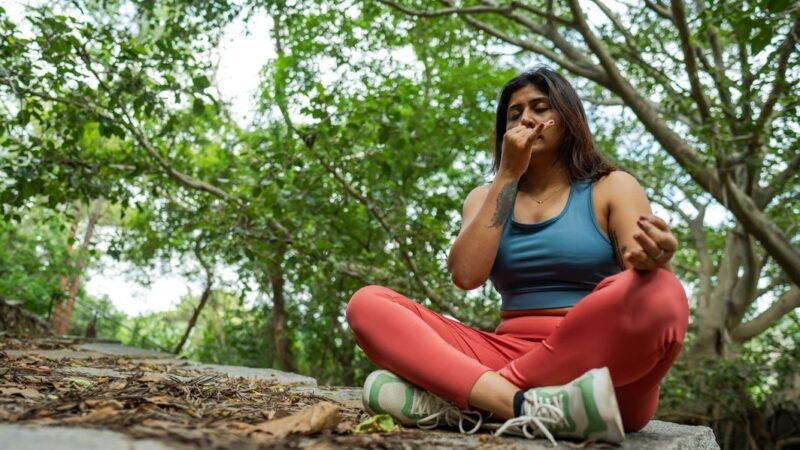
Developed and extensively researched by Dr. Andrew Huberman and colleagues at Stanford, the physiological sigh involves a double nasal inhale (sniff, then a second short sniff to fully inflate the lungs) followed by a long, slow exhale through the mouth. This rapidly offloads CO2 and activates the parasympathetic nervous system. A 2023 study in Cell Reports Medicine found that one to three physiological sighs per day reduced anxiety and improved mood over time — more effectively than mindfulness meditation in some comparisons.
Box Breathing (4-4-4-4)
Inhale for 4 counts, hold for 4, exhale for 4, hold for 4. Used by Navy SEALs for stress regulation, this technique has demonstrated measurable reductions in cortisol and anxiety in clinical settings. Vagal tone — the measure of parasympathetic nervous system activity — increases measurably with regular box breathing practice.
4-7-8 Breathing
Inhale for 4, hold for 7, exhale for 8. The extended exhale is the active component — it stimulates the vagus nerve and forces parasympathetic activation. Clinical trials at the Cleveland Clinic and elsewhere have found this technique effective for pre-sleep anxiety and general acute stress.
3. Exercise: The Most Robustly Evidenced Natural Anxiolytic
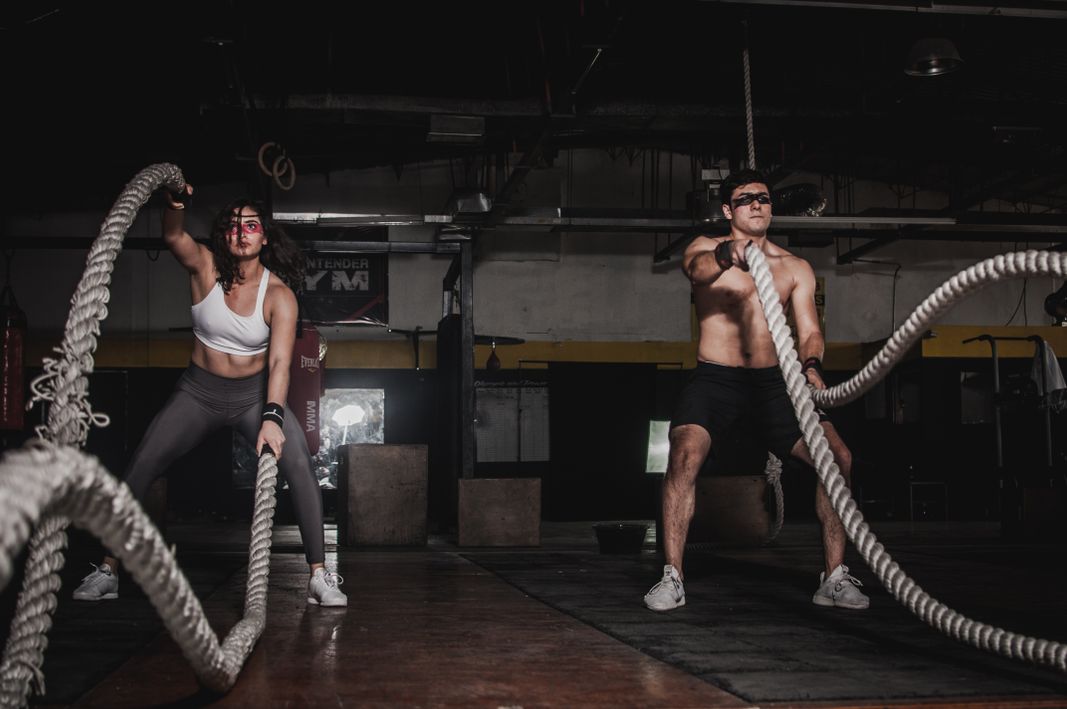
The evidence base for exercise as an anxiety treatment is remarkably strong. A comprehensive 2023 meta-analysis in The Lancet Psychiatry analysing data from 1,039 trials and 128,119 participants found that physical activity was 1.5 times more effective than leading medications and therapies for reducing depression and anxiety symptoms.
How Exercise Reduces Anxiety
- Endocannabinoid release: Moderate-intensity exercise triggers endocannabinoid (eCB) production — chemicals that activate the same receptors as cannabis, producing anxiolytic and mood-elevating effects. This, not endorphins, is now understood to be the primary driver of the “runner’s high.”
- BDNF upregulation: Brain-derived neurotrophic factor — the “miracle-gro for the brain” — increases with exercise and promotes neuroplasticity, reducing the neural rigidity associated with anxiety disorders.
- HPA axis regulation: Regular exercisers show blunted cortisol responses to stressors — their physiological threat-response is calibrated lower.
- Tryptophan/serotonin availability: Exercise increases brain tryptophan uptake, enhancing serotonin synthesis.
What type of exercise works best for anxiety? Any movement helps, but research suggests a combination of aerobic exercise (150 minutes moderate-intensity weekly) and resistance training produces the broadest benefits. Yoga specifically has been shown in randomised trials to increase GABA levels — the brain’s primary inhibitory neurotransmitter that is deficient in anxiety disorders.
4. Dietary Approaches to Reducing Anxiety
The Gut-Brain Connection
The gut contains approximately 100 million neurons and produces around 95% of the body’s serotonin. The bidirectional gut-brain axis — via the vagus nerve and systemic signalling — means gut health profoundly influences mental health. Dysbiosis (imbalanced gut microbiome) is consistently associated with higher rates of anxiety and depression in population studies.
Practical dietary strategies for anxiety through the gut-brain axis:
- High-fibre diet to feed beneficial bacteria
- Regular fermented food consumption (kefir, kimchi, sauerkraut, yogurt)
- Prebiotic foods (garlic, onion, asparagus, bananas)
- Minimising ultra-processed food consumption
Blood Sugar Stability
Blood sugar crashes trigger adrenaline release as a counterregulatory mechanism — producing symptoms virtually identical to anxiety (heart racing, shakiness, sweating, catastrophic thinking). Stabilising blood sugar through protein + fat + fibre at each meal, avoiding refined carbohydrates alone, and not skipping meals dramatically reduces anxiety frequency in many people who discover this connection.
Reduce Caffeine
Caffeine directly increases cortisol and adrenaline, and in genetically slow metabolisers (carrying the CYP1A2 slow variant), caffeine’s anxiogenic effects are magnified. If you struggle with anxiety, an experimental 2–4 week caffeine elimination trial often produces revelatory results.
5. Evidence-Based Supplements for Anxiety
Magnesium (Glycinate or Threonate)
Magnesium is a cofactor for over 300 enzymatic reactions, including those governing the HPA axis and GABA receptor function. A 2017 systematic review in Nutrients concluded magnesium supplementation was associated with reductions in subjective anxiety — with the strongest effects in those with existing deficiency. Magnesium threonate specifically crosses the blood-brain barrier more effectively than other forms.
Ashwagandha (KSM-66 or Sensoril extract)
One of the most well-researched adaptogens for anxiety. Multiple double-blind RCTs have demonstrated that standardised ashwagandha extract reduces perceived stress and anxiety, lowers cortisol by 14–30%, and improves sleep quality in adults with stress-related anxiety. The 2019 trial published in Medicine found a 41% reduction in anxiety scores with 240mg daily of Sensoril extract.
L-Theanine
Found naturally in green tea, L-theanine promotes alpha brainwave production — associated with a state of calm alertness — without sedation. Multiple RCTs show it reduces acute stress response, improves attention under stress, and reduces anxiety symptoms. At 200–400mg, it works synergistically with caffeine to provide focus without the jitteriness.
Lavender Oil (Silexan)
Oral lavender oil (Silexan, 80mg daily) has demonstrated effects on generalised anxiety disorder in multiple randomised controlled trials with effect sizes comparable to benzodiazepines and SSRIs — without the side effects or dependency risk. It modulates calcium channels in the nervous system, reducing neuronal excitability.
Omega-3 Fatty Acids
A 2018 meta-analysis in JAMA Network Open found omega-3 supplementation (particularly at doses above 2g/day) significantly reduced anxiety symptoms compared to placebo. EPA appears more effective than DHA for mood and anxiety specifically.
6. Mindfulness and CBT-Based Techniques
Mindfulness-Based Stress Reduction (MBSR) — an 8-week structured programme developed by Jon Kabat-Zinn — has accumulated perhaps the strongest body of evidence of any mind-body intervention for anxiety. Multiple meta-analyses show MBSR reduces anxiety symptoms significantly, with effects that persist at 6–12 month follow-up.
The mechanism involves developing metacognitive awareness — the ability to observe anxious thoughts without being fused with them. Rather than trying to stop anxious thoughts (often counterproductive), mindfulness cultivates the ability to notice “there’s anxiety happening” without escalating it into a secondary anxiety response.
Cognitive Behavioural Therapy (CBT) techniques that work well as self-directed practices include:
- Cognitive restructuring: Identifying and challenging catastrophic or distorted thinking patterns
- Behavioural activation: Deliberately engaging in activities that counter avoidance behaviours
- Worry time: Containing rumination to a specific 15–20 minute daily period
- Exposure hierarchy: Gradually approaching feared situations to break avoidance cycles
7. Nature Exposure and Anxiety Reduction
The Japanese practice of Shinrin-yoku (forest bathing) has generated a substantial body of research. Studies consistently find that time in natural environments — even 20–30 minutes in urban parks — measurably reduces cortisol, lowers heart rate, reduces blood pressure, and improves subjective anxiety scores.
A 2019 study found that spending at least 120 minutes per week in nature was associated with significantly better health and psychological wellbeing. The mechanism involves multiple pathways: reduced noise and visual stimulation allows the prefrontal cortex to recover from “directed attention fatigue,” phytoncides (aromatic compounds from trees) may directly influence the nervous system, and visual patterns in nature (fractal geometry) appear to produce a measurable relaxation response.
Frequently Asked Questions
What is the fastest natural remedy for anxiety?
The physiological sigh (double nasal inhale followed by a long exhale) produces the fastest measurable reduction in anxiety — effects occur within 1–3 breath cycles. Cold water on the face also triggers the dive reflex, rapidly reducing heart rate. Box breathing and 4-7-8 breathing can significantly reduce acute anxiety within 2–5 minutes of practice.
Does magnesium really help with anxiety?
Yes — magnesium deficiency is associated with increased anxiety and HPA axis hyperreactivity, and supplementation in deficient individuals consistently reduces anxiety markers. However, magnesium is more effective as a long-term anxiety management tool than an acute remedy. Magnesium glycinate and threonate are the best-absorbed forms for nervous system effects. Results typically become apparent after 4–8 weeks of consistent supplementation.
Can anxiety be managed without medication?
For mild to moderate anxiety, many people successfully manage symptoms through a combination of lifestyle interventions (exercise, sleep, diet, stress management) and evidence-based therapies (CBT, MBSR). For severe anxiety disorders — GAD, panic disorder, PTSD, social anxiety disorder — medication combined with therapy typically produces better outcomes than either alone. The decision should be made collaboratively with a mental health professional.
When to Seek Professional Help
Natural remedies work well for mild to moderate anxiety, particularly situational or lifestyle-driven anxiety. Seek professional support if:
- Anxiety is interfering with work, relationships, or daily functioning
- You’re experiencing panic attacks
- Anxiety has persisted for more than 6 months despite lifestyle changes
- You’re using alcohol or substances to manage anxiety
- You’re experiencing thoughts of self-harm
- Anxiety is accompanied by significant depression
Effective, accessible mental health support includes in-person therapy, online CBT platforms, and — where clinically appropriate — medication evaluation by a psychiatrist or GP.
Get evidence-based wellness strategies delivered weekly — including guides on anxiety, stress, and sleep.
Subscribe Free →
Leave a Reply