

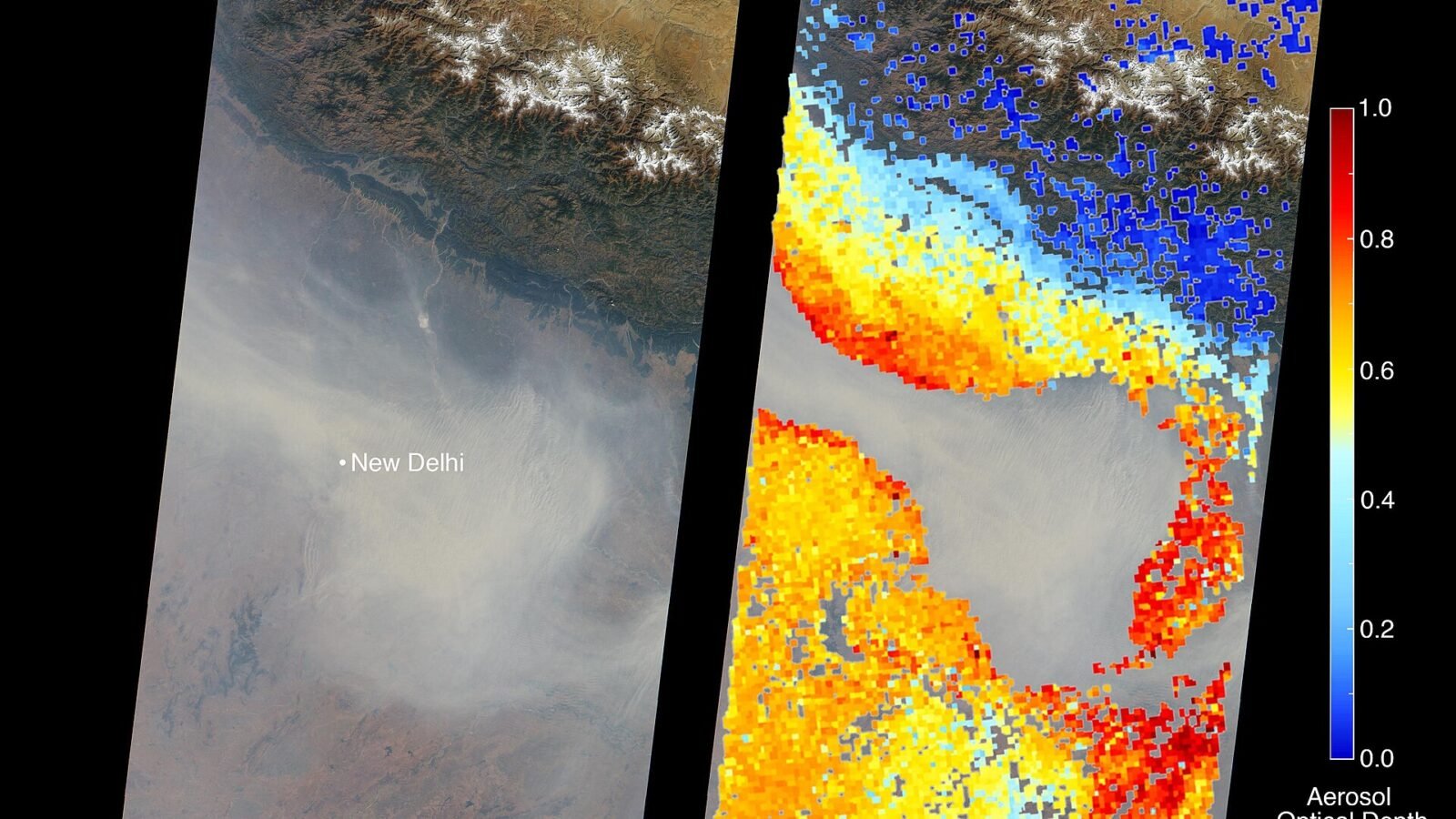
Air pollution, especially fine particulate matter called PM2.5, is a major risk to lung and heart health in India, and winter makes it worse as cold air traps pollution near the ground. You cannot fully “detox” pollution, but you can lower your exposure: check the AQI daily, wear a well-fitted N95 or N99 mask, use a HEPA air purifier indoors, ventilate when outdoor air is cleaner, and avoid burning anything indoors.
Every winter, air quality in Delhi, the Indo-Gangetic Plain and many other Indian cities deteriorates sharply. For people with asthma, COPD, heart disease, young children and older adults, this is not just an inconvenience — it is a health emergency that can trigger attacks and hospital admissions.
This guide explains what the pollution does to your body, who is most at risk, which protective measures have evidence behind them, and which popular “detox” claims do not.
Medical Disclaimer: This article is for informational and educational purposes only and does not constitute medical advice. Always consult a qualified healthcare professional about your symptoms, medicines and treatment plan. If you have severe breathlessness or chest pain, seek emergency care immediately.
Why Winter Makes India’s Air Worse
Several factors combine between October and February. Cold, dense air and temperature inversions act like a lid, trapping pollutants close to the ground instead of letting them disperse. Low wind and shallow mixing layers mean emissions accumulate.
At the same time, sources intensify: crop-residue burning in northern states, firecrackers around Diwali, road dust, vehicle exhaust, construction and industrial emissions. In homes, the winter demand for heating and biomass burning adds to the burden. The result is that the same city can swing from moderate to severe air quality within days.
India’s Central Pollution Control Board runs the National Air Quality Index (AQI), which converts pollutant concentrations into a single number and category. It is a useful planning tool, even though individual monitoring stations vary in accuracy.
What PM2.5 Does to Your Lungs and Body
PM2.5 refers to particles smaller than 2.5 micrometres — about one-thirtieth the width of a human hair. Because they are so small, they bypass the nose’s defences, travel deep into the alveoli and can cross into the bloodstream.
The World Health Organization classifies outdoor air pollution as a major cause of premature death worldwide, linked to stroke, heart disease, lung cancer and both acute and chronic respiratory disease. Short-term exposure can trigger asthma attacks, worsen COPD and increase hospital visits. Longer-term exposure is associated with reduced lung growth in children, chronic bronchitis and cardiovascular disease.
PM2.5 also drives inflammation and oxidative stress throughout the body, which helps explain its effects on blood pressure, blood vessels and even pregnancy outcomes. Research on these mechanisms continues, and a PubMed search on PM2.5 and health effects shows the scale of the evidence base.
Who Is Most Vulnerable
- Children: their lungs are still developing, they breathe faster and spend more time outdoors.
- Older adults: reduced lung reserve and existing heart or lung disease increase risk.
- People with asthma or COPD: pollution is a common trigger for flare-ups.
- People with heart disease or hypertension: pollution raises cardiovascular risk and can worsen blood pressure control.
- Pregnant women: exposure is associated with low birth weight and preterm birth.
- Outdoor workers, traffic police and street vendors: prolonged daily exposure.
- Smokers and people with second-hand smoke exposure: combined effects multiply.
Evidence-Based Protection
Protection works by reducing the dose you breathe. None of these steps is perfect alone, but together they meaningfully cut exposure.
- Wear a well-fitted N95 or N99 respirator. Fit is everything: air must pass through the filter, not around the edges. A loose mask offers little protection. Cloth and surgical masks do not filter PM2.5 effectively.
- Use a HEPA air purifier indoors. A purifier sized to your room can lower indoor PM2.5 substantially. Keep doors and windows closed while it runs, and maintain or replace filters as directed.
- Ventilate when outdoor air is cleaner. If the AQI drops, open windows briefly to flush indoor pollutants and carbon dioxide, then close them again.
- Avoid burning indoors. Mosquito coils, incense, candles, agarbatti and biomass cooking all add particulate matter. Use exhaust fans while cooking.
- Time your exercise. Avoid early-morning outdoor exercise when pollution and inversion are worst. Move workouts indoors on high-AQI days.
- Keep indoor surfaces clean. Wet mopping and damp dusting reduce settled dust without raising it back into the air.
Indoor plants are often promoted as air cleaners. In practice, you would need an impractically large number of plants to match even a modest purifier, so treat them as pleasant decoration rather than protection.
Using the AQI to Plan Your Day
Categories below follow the general structure of India’s National AQI. Exact limits vary by pollutant, so always check the official reading for your area.
| AQI range | Category | Suggested action |
|---|---|---|
| 0–50 | Good | Normal outdoor activity |
| 51–100 | Satisfactory | Fine for most; sensitive people watch symptoms |
| 101–200 | Moderate | Sensitive groups limit prolonged outdoor exertion |
| 201–300 | Poor | Wear a fitted mask; reduce outdoor exercise |
| 301–400 | Very Poor | Stay indoors; purifier on; mask if going out |
| 401–500 | Severe | Avoid outdoor activity; seek care if symptoms worsen |
Check the AQI in the morning and before any outdoor plan. On very poor and severe days, shift exercise indoors and keep children home where possible.
Myths About Detoxing Pollution
There is no food, drink, supplement or breathing gadget that “flushes out” PM2.5 once it is in your body. The body has its own clearance systems, and the only reliable strategy is to reduce exposure in the first place.
This does not mean diet is irrelevant. A healthy diet rich in fruit and vegetables supports overall resilience, and winter foods that support immune health are sensible during the season. But no single food neutralises pollution. Claims about “lung detox teas” or steam inhalation removing particles are not supported by evidence. The broader principles in our detox myths guide apply here too.
Steam inhalation can temporarily ease a blocked nose, but it does not remove pollution from the lungs and can cause burns if done carelessly.
Symptoms That Warrant a Doctor
See a doctor if you develop:
- Wheezing, chest tightness or a cough lasting more than a few days.
- Breathlessness that is new, worsening, or limits daily activity.
- A cough with coloured or bloody sputum.
- Fever along with respiratory symptoms.
- Worsening asthma or COPD despite using your inhaler as prescribed.
- Eye irritation, throat pain or headaches that recur with high pollution.
Do not stop prescribed inhalers or steroids during a pollution episode. If your reliever inhaler is needed more often than usual, that is a sign to seek medical review. People with sleep-related breathing problems should also be aware that pollution can worsen symptoms; our guide to sleep apnoea signs and treatment explains what to look for.
Practical Recommendations
- Check the AQI every morning and plan outdoor activity around it.
- Buy a fitted N95 or N99 mask and learn to seal-check it.
- Run a HEPA purifier in the room where you sleep, sized for the space.
- Close windows on high-pollution days and ventilate briefly when air improves.
- Avoid burning incense, coils and candles indoors; ventilate while cooking.
- Shift exercise indoors when the AQI is poor or worse.
- Keep children and older adults indoors on severe days.
- Take prescribed asthma or COPD medicines consistently, and keep a rescue plan.
- Drink water, eat a varied diet and manage other risk factors such as smoking and blood pressure.
Who Should Be Cautious
- People with asthma, COPD, bronchiectasis or interstitial lung disease.
- People with heart disease, previous stroke or uncontrolled hypertension.
- Pregnant women and parents of infants and young children.
- Older adults, especially those who live alone.
- Outdoor workers, cyclists and daily commuters who cannot avoid exposure.
- Smokers and people exposed to second-hand smoke or biomass cooking fumes.
- People with chronic kidney disease, who may be more susceptible to the systemic effects of pollution; general protective habits are discussed in this guide on habits that harm your kidneys.
When to Seek Professional Medical Advice
Seek urgent care for severe breathlessness, chest pain, confusion, blue lips or an asthma attack that does not respond to your reliever inhaler. For persistent cough, wheeze or reduced exercise tolerance, book a medical review rather than waiting for the season to pass.
If you have asthma or COPD, ask your doctor for a written action plan before winter, and review whether your inhaler technique and preventer dose are optimal. Pollution is a trigger you cannot control, but good medical management reduces the chance of a severe flare.
Frequently Asked Questions
Do N95 masks really protect against air pollution?
Yes, when they fit well. N95 and N99 respirators filter at least 95% and 99% of fine particles respectively. A loose mask lets air leak around the edges and loses much of the benefit, so fit and seal matter more than the rating alone.
Can indoor plants clean the air in my home?
Only marginally. Studies show plants remove some volatile compounds in sealed chambers, but the number needed to make a meaningful difference in a real room is unrealistic. Use a HEPA purifier instead.
Can I “detox” pollution from my body?
No. There is no food, drink or supplement that removes PM2.5 from the lungs or bloodstream. Reducing exposure with masks, purifiers and behaviour change is the evidence-based approach.
Is it safe to exercise outdoors when the AQI is high?
On poor days, reduce intensity and duration or move indoors. During very poor or severe conditions, avoid outdoor exercise altogether, because breathing faster increases the pollution dose reaching your lungs.
Do surgical or cloth masks help with PM2.5?
They offer limited protection against fine particles because they do not seal or filter efficiently. A fitted N95 or N99 respirator is a better choice for polluted air.
Are air purifiers worth the cost?
For households in highly polluted areas, especially with children, older adults or people with lung disease, a correctly sized HEPA purifier can meaningfully lower indoor PM2.5. Benefit depends on room size, sealing and filter maintenance.
What time of day is air pollution worst?
It often peaks in the early morning and late evening during winter, when inversions trap pollutants and traffic or burning adds emissions. Avoid outdoor exercise at these times on high-AQI days.
Can air pollution cause asthma in children?
Exposure is associated with worsening asthma symptoms and reduced lung growth, and evidence links it to the development of respiratory symptoms. Protecting children from high exposure is a reasonable precaution.
References
- World Health Organization. “Ambient (Outdoor) Air Pollution.” WHO Fact Sheet, 2024. https://www.who.int/news-room/fact-sheets/detail/ambient-(outdoor)-air-quality-and-health
- World Health Organization. “Household Air Pollution and Health.” WHO Fact Sheet, 2023. https://www.who.int/news-room/fact-sheets/detail/household-air-pollution-and-health
- National Institute of Environmental Health Sciences (U.S. NIH). “Air Pollution and Your Health.” https://www.niehs.nih.gov/health/topics/agents/air-pollution
- MedlinePlus (U.S. National Library of Medicine). “Air Pollution.” https://medlineplus.gov/airpollution.html
- World Health Organization. “Asthma.” WHO Fact Sheet, 2024. https://www.who.int/news-room/fact-sheets/detail/asthma
- World Health Organization. “Chronic Obstructive Pulmonary Disease (COPD).” WHO Fact Sheet, 2024. https://www.who.int/news-room/fact-sheets/detail/chronic-obstructive-pulmonary-disease-(copd)
- PubMed (U.S. National Library of Medicine). Search results for “PM2.5 health effects.” https://pubmed.ncbi.nlm.nih.gov/?term=PM2.5+health+effects
Related Reading:

Leave a Reply