

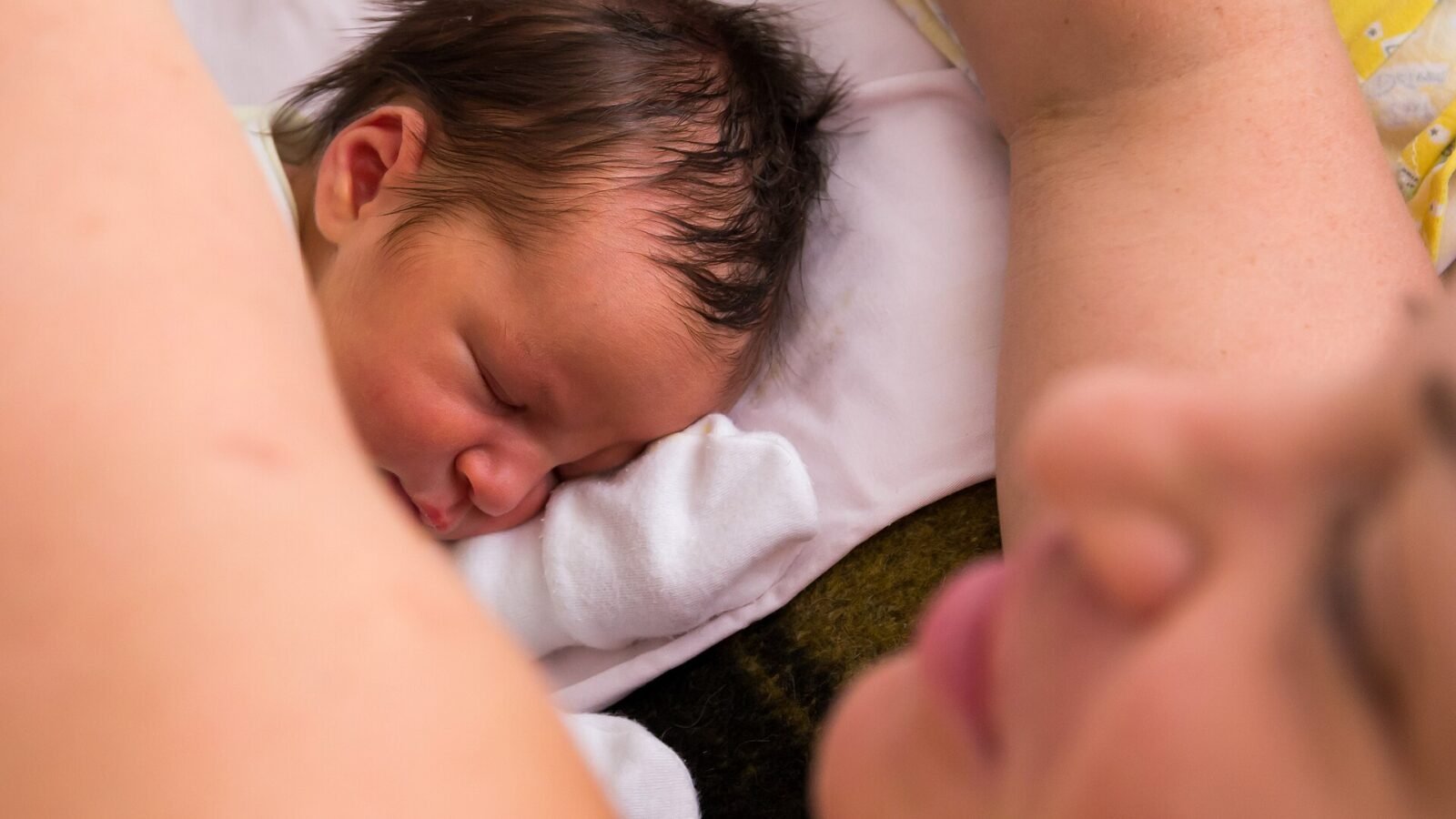
Postpartum recovery is the six-to-eight-week period after birth when your body and mind adjust, and it happens in stages: heavy bleeding and healing in weeks one to two, gradually lighter bleeding and increasing energy in weeks three to six, and a slower return to strength beyond that. Most symptoms are normal, but heavy bleeding, fever, severe headache, calf pain or thoughts of self-harm need urgent medical care.
Every recovery is different. A straightforward vaginal birth and a planned caesarean share many milestones but differ in healing timelines and physical restrictions. Understanding what is typical — and what is not — helps you plan rest, nutrition and support, and helps you recognise problems early.
This week-by-week guide covers physical healing, pelvic floor and mood, breastfeeding nutrition, warning signs, contraception and the role of family support in the Indian context.
Medical Disclaimer: This article is for informational and educational purposes only and does not constitute medical advice. Always consult a qualified healthcare professional about your own recovery. If you notice warning signs, contact your doctor or go to the nearest emergency department immediately.
What Postpartum Recovery Looks Like
The “fourth trimester” is the first twelve weeks after birth, and the most intense changes happen in the first six weeks. The uterus shrinks from roughly the size of a watermelon back toward its pre-pregnancy size, hormone levels fall sharply, and the body repairs the placenta site, the perineum or a caesarean incision.
Bleeding (lochia), afterpains, night sweats, breast engorgement, fatigue and emotional ups and downs are all expected. Recovery is not linear: good days are often followed by harder ones, especially around growth spurts and cluster feeding.
If you are tracking your pregnancy, our pregnancy symptoms week by week guide and the signs of labour and the 5-1-1 rule cover the changes that precede birth.
Weeks 1–2: Bleeding, Perineal and Caesarean Care
Bleeding and cramps. Lochia is heavy and red at first, often with small clots. It gradually changes to brown and then to a pale discharge. Use sanitary pads rather than tampons in this period to reduce infection risk. Afterpains — period-like cramps as the uterus contracts — are common, especially while breastfeeding.
Perineal care. If you had a vaginal birth, expect soreness, especially with stitches or a tear. Keep the area clean and dry, change pads often, use a peri bottle with warm water after urination, and consider cold packs for swelling.
Caesarean care. Keep the incision clean and dry, support it with a pillow when coughing or laughing, and avoid lifting anything heavier than your baby. Watch for increasing redness, discharge, separation of the wound or fever.
Breastfeeding. The first days involve colostrum and frequent feeding, often eight to twelve times a day. Engorgement, cracked nipples and latching difficulties are common and usually fixable with positioning help.
Weeks 3–4: Breastfeeding, Pelvic Floor and Energy
Bleeding usually becomes lighter and browner, and perineal soreness eases. Energy may improve slightly, but this is also when many women overdo it and feel set back. Gentle walking is reasonable; heavy lifting, strenuous exercise and prolonged standing are not yet advised.
The pelvic floor is still healing; exercises can usually begin once comfortable, ideally guided by a physiotherapist, since both vaginal and caesarean births affect these muscles. Leaking urine, a heavy vaginal sensation or pain should be assessed rather than ignored.
Breastfeeding tends to settle into a rhythm, though cluster feeding can still disrupt sleep. If feeding is painful beyond the first few days, or you notice a red, painful patch on the breast with fever, seek care.
Weeks 5–6 and Beyond: Mood, Hair Loss and Activity
By weeks five and six, lochia typically stops, the uterus has largely returned to its pre-pregnancy size, and many women attend their postnatal check-up. This visit matters even if you feel well: it reviews bleeding, mood, blood pressure, wound healing, pelvic floor symptoms and contraception.
Hair loss. Noticeable shedding commonly begins around two to four months after birth as oestrogen levels normalise. It is temporary for most women and usually settles. Gentle hair care and adequate iron and protein intake support regrowth.
Mood. Emotional changes can persist or intensify in this window, which is why mood screening matters at every postnatal contact.
Activity. Return to exercise gradually, starting with walking and gentle core work; advancing too quickly can worsen bleeding, leaking and pelvic pain.
Warning Signs That Need Urgent Care
Most symptoms are manageable at home, but some need immediate care. Go to hospital or call emergency services if you have:
- Heavy bleeding: soaking one pad an hour for two hours or more, passing clots larger than a golf ball, or bleeding that suddenly increases.
- Fever of 38°C or higher, or chills and feeling generally very unwell.
- Severe headache, blurred vision or swelling of the face and hands — possible postpartum preeclampsia, which can occur after birth.
- Pain, redness or swelling in one calf, which may signal a deep vein thrombosis.
- Chest pain or sudden breathlessness — a medical emergency.
- Foul-smelling vaginal discharge or worsening abdominal pain.
- A red, painful breast with fever and flu-like symptoms — possible mastitis.
- Thoughts of harming yourself or your baby, or feeling unable to cope or keep yourself safe.
Postpartum preeclampsia and blood clots can appear in the days and weeks after discharge, so new symptoms should never be dismissed as “just after-birth aches.”
Pelvic Floor Recovery and Nutrition
The pelvic floor supports the bladder, uterus and bowel, and it is stretched by pregnancy and birth regardless of delivery mode. Pelvic floor muscle training reduces urinary and faecal incontinence and improves symptoms of pelvic organ prolapse. Ideally, a women’s health physiotherapist assesses you around six weeks and prescribes a progressive programme.
Nutrition supports tissue repair, milk production and energy. Priorities include protein at each meal, iron-rich foods with vitamin C, calcium and vitamin D, adequate fluids, and fibre to prevent constipation, which strains the pelvic floor. Our pregnancy diet chart by trimester covers the nutrients that matter before birth, and the principles carry into recovery. A gut health guide with fibre, fluids and movement is a gentle place to start.
Sleep Deprivation and Breastfeeding Nutrition
Fragmented sleep is one of the hardest parts of early parenthood. It affects mood, memory and decision-making, and is a known risk factor for postpartum depression. Practical steps include sleeping when the baby sleeps, sharing night duties, and accepting help for a night feed using expressed milk; our guide to improving sleep quality covers more.
Breastfeeding mothers need roughly an extra 300–500 calories a day and more fluids. No single diet is required, but variety matters. Continue a prenatal vitamin if advised, and take care with caffeine, alcohol and any medicine while nursing. Ask your doctor about vitamin D for the baby.
Postpartum Depression vs Baby Blues
Baby blues affect many mothers in the first days: tearfulness, irritability and mood swings that usually ease within two weeks without treatment.
Postpartum depression is more persistent and intense. It lasts beyond two weeks and includes low mood, loss of interest, guilt, anxiety, sleep problems even when the baby sleeps, and difficulty bonding. It is a medical condition, not a character flaw, and it is treatable with therapy, support and, when appropriate, medication. Our overview of balancing hormones naturally explains the hormonal shifts behind mood changes, but clinical depression needs clinical care.
Postpartum psychosis is rare but severe; confusion, hallucinations, paranoia or delusions require emergency care.
Contraception and Birth Spacing
It is possible to become pregnant again before your first period returns, especially if breastfeeding is not exclusive. Discuss contraception at your postnatal visit; options include progestogen-only pills, implants, intrauterine devices, injectables, barrier methods and sterilisation. Spacing pregnancies by at least 18–24 months is generally linked to better outcomes for mother and baby.
Postpartum Recovery in India: Support and Traditions
Many Indian families follow a period of “confinement” after birth, with rest, warm foods and help from relatives. This support can be protective: extra hands for cooking and childcare allow the mother to heal and feed. Practices vary by region and include special diets, oil massage and avoiding cold foods or drafts.
Some traditions help and some are best adapted. A nutrient-dense diet, rest and family support align with evidence, while practices that restrict fluids, delay breastfeeding or discourage medical care can be harmful. Keep what helps, discuss concerns with your doctor or health worker, and do not treat tradition and medical care as opposites.
Practical Recommendations
- Accept help. Delegate cooking, cleaning and older-child care so you can rest and feed.
- Keep pads, a peri bottle, comfortable clothing and easy snacks within reach.
- Eat protein and iron-rich foods at each meal, and drink to thirst.
- Begin gentle pelvic floor exercises and walk daily as comfort allows, increasing gradually.
- Attend your postnatal check-up even if you feel well.
- Complete a mood check and tell someone if you feel persistently low or anxious.
- Discuss contraception before resuming sexual activity.
- Ask for breastfeeding support early if feeding is painful or you are worried about supply.
Who Should Be Cautious
- Women who had preeclampsia, gestational diabetes, heavy blood loss or a caesarean section.
- Women with a history of depression, anxiety or postpartum depression after a previous birth.
- Those with anaemia, thyroid conditions or autoimmune disease.
- Mothers with limited family support, financial stress or a baby in neonatal care.
- Anyone experiencing intimate partner violence or severe isolation.
When to Seek Professional Medical Advice
Contact your doctor promptly for any warning sign above, bleeding that is not settling, worsening pain or feeding problems. Seek mental health support if low mood, anxiety or intrusive thoughts last more than two weeks or interfere with caring for yourself or your baby. If you have thoughts of harming yourself or your baby, seek emergency care immediately.
In India, the Tele-MANAS mental health helpline is available at 14416. Your obstetrician, health worker or ASHA can also guide you to local services.
Frequently Asked Questions
How long does postpartum bleeding last?
Lochia usually lasts around four to six weeks, starting heavy and red and fading to brown then light. Bleeding that soaks a pad an hour for two hours, or returns bright red after settling, needs medical review.
Is hair loss after pregnancy normal?
Yes. Shedding commonly peaks around two to four months after birth and is usually temporary as hormone levels settle. Persistent or severe loss should be checked, as iron deficiency and thyroid problems can contribute.
What is the difference between baby blues and postpartum depression?
Baby blues are mild and ease within about two weeks. Postpartum depression is more persistent, involves low mood, guilt, anxiety and loss of interest, and needs professional support. It is treatable.
How much should I eat while breastfeeding?
Most breastfeeding mothers need roughly 300–500 extra calories a day, more fluids, and a varied diet rich in protein, iron, calcium and vitamin D. Ask your clinician about continued supplementation.
Can I get pregnant again before my first period returns?
Yes. Breastfeeding may delay ovulation but is not reliable contraception, especially once feeds are spaced out or solids have started. Discuss a suitable method with your doctor.
When should I have my postnatal check-up?
Usually around six weeks after birth, though earlier review is recommended if you have symptoms. It covers healing, bleeding, blood pressure, pelvic floor, mood and contraception.
References
- World Health Organization. “Maternal Health.” https://www.who.int/health-topics/maternal-health
- American College of Obstetricians and Gynecologists. “Postpartum Depression.” ACOG FAQ. https://www.acog.org/womens-health/faqs/postpartum-depression
- American College of Obstetricians and Gynecologists. “Your Body After Pregnancy.” ACOG FAQ. https://www.acog.org/womens-health/faqs/your-body-after-pregnancy
- MedlinePlus (U.S. National Library of Medicine). “Postpartum Care.” https://medlineplus.gov/postpartumcare.html
- World Health Organization. “Infant and Young Child Feeding.” WHO Fact Sheet, 2023. https://www.who.int/news-room/fact-sheets/detail/infant-and-young-child-feeding
- NHS. “Pregnancy.” https://www.nhs.uk/pregnancy/
- PubMed (U.S. National Library of Medicine). Search results for “postpartum depression.” https://pubmed.ncbi.nlm.nih.gov/?term=postpartum+depression
Related Reading:
- Pregnancy Diet Chart by Trimester
- Pregnancy Symptoms Week by Week
- Signs of Labour and the 5-1-1 Rule
- How to Balance Hormones Naturally
- How to Improve Sleep Quality
- Gut Health Guide
Not sure exactly how far along you are?
Use our free due date calculator to find your current week, trimester, and days to go.
Calculate My Due Date →
Leave a Reply