Skip to content
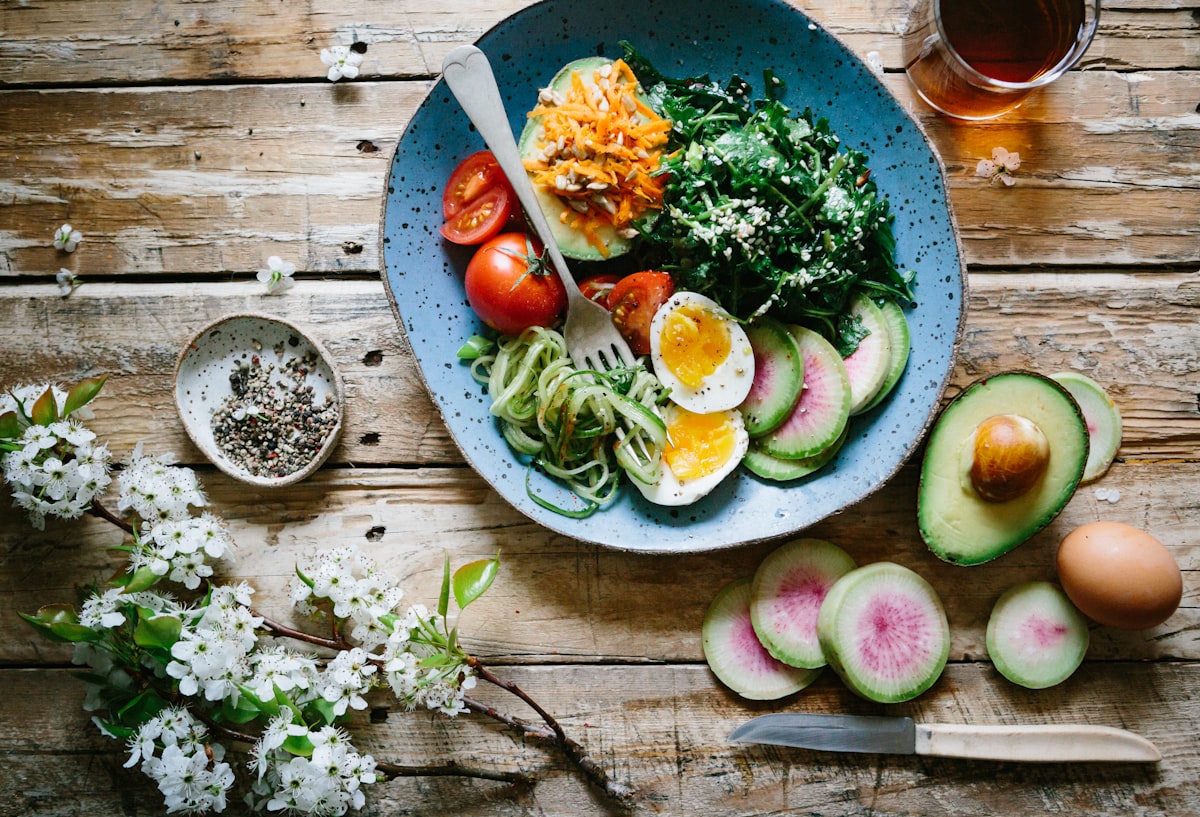
Unless you have been living off the grid, you have almost certainly heard of Ozempic, Wegovy, or tirzepatide (Zepbound) — the GLP-1 receptor agonist drugs that have taken the world by storm for weight loss and metabolic health. In fact, US News & World Report named GLP-1 expansion as the #1 health trend of 2026, with around one in five US adults having used these medications.
But here is what most people do not realise: your body already produces GLP-1 naturally. And certain foods are remarkably powerful stimulators of this hormone. Understanding GLP-1 foods gives you tools to harness this satiety pathway without a prescription — improving appetite control, blood sugar regulation, and weight management through what you eat.
What Is GLP-1 and Why Does It Matter?
GLP-1 stands for Glucagon-Like Peptide-1. It is an incretin hormone — a gut hormone released from specialised cells (L-cells) in your small intestine and colon in response to eating.
When GLP-1 is released, it performs a remarkable cascade of metabolic actions:
- Stimulates insulin secretion from the pancreas in a glucose-dependent manner (only when blood sugar is elevated)
- Suppresses glucagon (reducing the liver's glucose output)
- Slows gastric emptying — food moves more slowly from the stomach to the intestines, extending the feeling of fullness
- Signals the brain (specifically the hypothalamus) to reduce appetite and increase satiety
- Protects beta cells in the pancreas from damage
The GLP-1 drugs (semaglutide, tirzepatide) work by mimicking this hormone but keeping it active for much longer than the natural hormone (which is broken down within minutes). The good news: you can naturally stimulate GLP-1 release multiple times per day simply by eating the right foods.
12 Best GLP-1 Foods to Eat Daily
1. High-Fibre Vegetables (Especially Leafy Greens)
Fibre is the most potent natural stimulator of GLP-1 release. As dietary fibre reaches the L-cells of the colon, it triggers substantial GLP-1 secretion. Prioritise: spinach, kale, broccoli, Brussels sprouts, artichokes, and asparagus. Aim for at least 25–38g of fibre daily — the average American consumes only 15g. Start with our anti-inflammatory 7-day meal plan to incorporate more vegetables.
2. Oats and Beta-Glucan
Beta-glucan — the soluble fibre found in oats and barley — is particularly effective at stimulating GLP-1. Studies show beta-glucan consumption significantly increases postprandial (after-meal) GLP-1 levels and improves glycaemic control. A bowl of steel-cut oats at breakfast is one of the best GLP-1-boosting meals you can start your day with.
3. Legumes (Beans, Lentils, Chickpeas)
Legumes are a dual GLP-1 powerhouse: they are rich in both soluble fibre and protein, both of which independently trigger GLP-1 secretion. Research shows that a legume-rich meal produces a significantly higher and more prolonged GLP-1 response compared to equivalent calorie meals from refined carbohydrates. For an Indian-friendly approach, dal and rajma are among the best GLP-1 meals you can eat.
4. Protein-Rich Foods (Eggs, Fish, Chicken, Greek Yogurt)
Protein is the second most powerful macronutrient for GLP-1 stimulation after fibre. Amino acids from protein digestion directly trigger L-cell GLP-1 secretion. Whey protein (from Greek yogurt) is particularly effective. Fish and eggs are excellent choices, especially when combined with fibre-rich vegetables. Learn more in our comprehensive guide to gut health foods.
5. Fermented Foods (Yogurt, Kefir, Kimchi)
A healthy gut microbiome produces short-chain fatty acids (SCFAs) — particularly butyrate, propionate, and acetate — which are among the most powerful stimulators of GLP-1 secretion from L-cells. Fermented foods feed beneficial gut bacteria that produce SCFAs. Kefir and Greek yogurt are particularly valuable; include them daily.
6. Avocado
Avocado is uniquely rich in monounsaturated fat and fibre — a combination that strongly activates GLP-1 pathways. A 2019 study found that including half an avocado at lunch significantly reduced hunger and increased satisfaction over the following 5 hours, with measurable increases in GLP-1 levels. Half an avocado on whole-grain toast is one of the most effective appetite-controlling breakfasts available.
7. Walnuts and Almonds
Nuts trigger GLP-1 release through their combination of fibre, healthy fats, and protein. Walnuts are particularly interesting — they contain a unique fatty acid profile (including ALA omega-3) that activates GLP-1 response in the gut. Studies show that regular nut consumption is associated with lower BMI and improved insulin sensitivity, partly through GLP-1 mechanisms.
8. Berberine (from Barberries, Goldenseal)
Berberine is a natural plant compound increasingly studied as a "nature's metformin" — and one of its key mechanisms is stimulating GLP-1 secretion from intestinal L-cells. It also activates AMPK, an enzyme that mimics the metabolic effects of exercise. While you can get berberine from foods like barberries, it is most commonly taken as a supplement. Always consult your doctor before supplementing, especially if on diabetes medications.
9. Olive Oil (Extra-Virgin)
Extra-virgin olive oil stimulates GLP-1 secretion through its unique phenolic compounds. Studies comparing Mediterranean diet adherence with GLP-1 levels consistently show that high EVOO intake is associated with improved postprandial GLP-1 responses. Use EVOO generously as your primary cooking fat and salad dressing base.
10. Fatty Fish (Salmon, Mackerel, Sardines)
Omega-3 fatty acids — particularly EPA and DHA from fatty fish — have been shown to increase GLP-1 secretion while also reducing inflammation and improving insulin sensitivity. Aim for 2–3 portions of fatty fish weekly. This aligns perfectly with the anti-inflammatory diet principles from our 7-day anti-inflammatory meal plan.
11. Turmeric and Ginger
Both spices have emerging evidence for GLP-1 stimulation. Curcumin (turmeric's active compound) and gingerols (ginger's active compounds) appear to influence GLP-1 pathways while also reducing the inflammation that impairs GLP-1 receptor sensitivity. A turmeric-ginger shot, golden milk, or adding both spices liberally to cooking can meaningfully support your GLP-1 response.
12. Psyllium Husk
Psyllium is a concentrated source of soluble fibre that, when taken with water before or with meals, forms a gel in the gut that strongly activates GLP-1 release while slowing gastric emptying. Clinical trials show psyllium supplementation significantly improves postmeal GLP-1 levels, blood sugar control, and satiety. Start with 1 teaspoon in water daily and gradually increase.
GLP-1 Boosting Meal Strategy
To maximise your natural GLP-1 output, structure your meals around these principles:
- Fibre first — start meals with vegetables or a salad before the main course
- Protein at every meal — aim for 25–40g protein per meal
- Avoid liquid calories — drinking calories (juice, soda) bypasses the chewing and digestive processes that trigger GLP-1 release
- Eat slowly — GLP-1 is released progressively as food reaches the intestines; slow eating gives the hormone time to signal satiety before you overeat
- Don't skip meals — prolonged fasting can suppress GLP-1 responses
- Combine fibre + protein + fat at each meal for the most powerful GLP-1 effect
Natural GLP-1 Booster vs. Ozempic: Understanding the Difference
| Feature | Natural GLP-1 Foods | GLP-1 Drugs (Ozempic/Wegovy) |
|---|---|---|
| Duration of action | Minutes to hours | Days to a week |
| Potency | Moderate, natural | Very high (pharmacological) |
| Weight loss (average) | Modest (5–10%) | Significant (15–21%) |
| Side effects | None at food quantities | Nausea, vomiting, cost |
| Accessibility | Available to everyone | Prescription only, expensive |
| Long-term safety | Excellent | Still being studied long-term |
GLP-1 foods won't produce the dramatic weight loss of pharmaceutical GLP-1 agonists. But for people looking to improve metabolic health naturally, reduce appetite, better regulate blood sugar, and support gradual weight management — they are powerful, accessible, and completely safe tools. Also explore our guide on Ozempic beyond weight loss for context on the broader GLP-1 revolution.
GLP-1 and Gut Health: The Critical Connection
GLP-1 is produced by L-cells that line your gut — and your gut microbiome directly influences how many L-cells you have and how responsive they are. A diverse, healthy microbiome produces more butyrate (which stimulates L-cell GLP-1 production), while a disrupted microbiome reduces GLP-1 output.
This is why gut health and GLP-1 optimisation are inseparable. Prioritise the best gut health foods alongside GLP-1-boosting foods for synergistic metabolic benefits.
Frequently Asked Questions
Can food really boost GLP-1 as much as Ozempic?
No. GLP-1 drugs produce far higher and longer-lasting GLP-1 activity than food. However, dietary GLP-1 optimisation can meaningfully improve satiety, blood sugar, and weight over time — and is safe, affordable, and accessible to everyone.
What is the best breakfast to boost GLP-1?
Steel-cut oats with Greek yogurt, walnuts, and berries — this combination provides beta-glucan fibre, whey protein, healthy fats, and probiotics, all of which synergistically boost GLP-1.
Does intermittent fasting help or hurt GLP-1?
Short-term fasting can reduce GLP-1 levels during the fasted state, but structured intermittent fasting may improve insulin sensitivity overall. Focus on maximising GLP-1 through food quality during your eating window rather than fasting for GLP-1 benefits.
Conclusion
GLP-1 is the biological underpinning of the world's most successful class of weight loss drugs — and your body already produces it, right now, in response to what you eat. By strategically choosing high-fibre, high-protein, gut-supporting foods, you can naturally amplify your GLP-1 response, reduce appetite, improve blood sugar stability, and support healthy weight management.
You don't need a prescription to harness the power of your own metabolic biology. You just need the right foods on your plate.