Skip to content
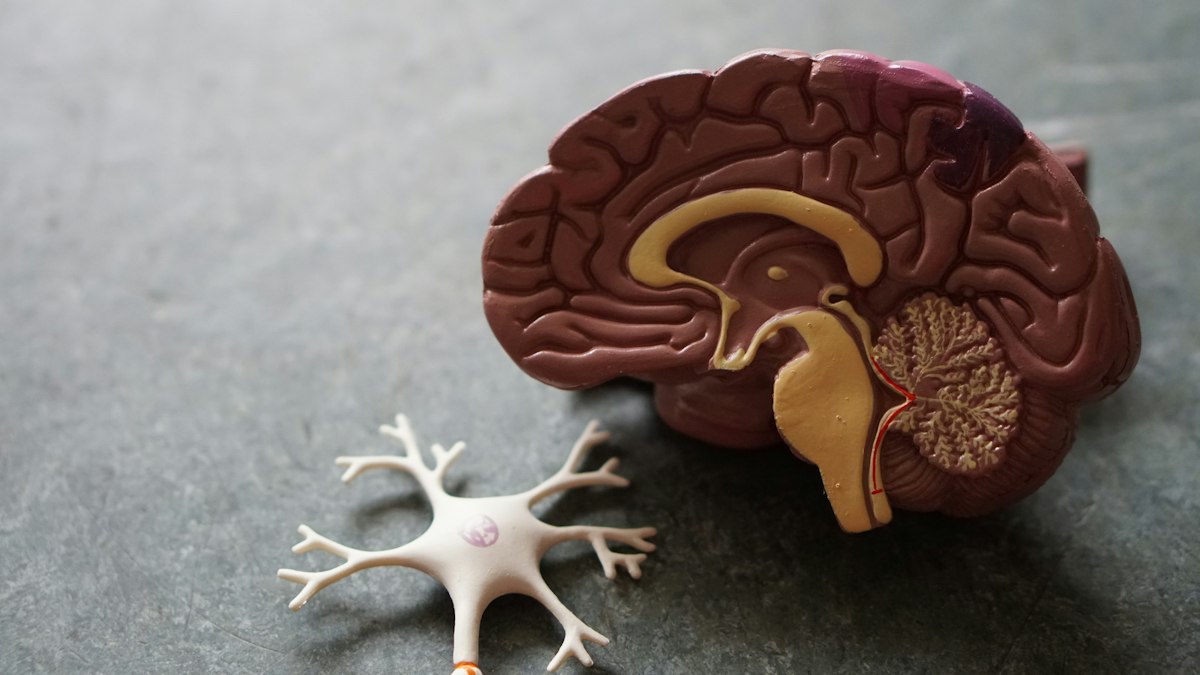
What if many cases of anxiety, depression, and brain fog had a significant root cause in the gut — not the brain? This is not a fringe idea. It is the direction mainstream neuroscience and psychiatry are rapidly moving, driven by accumulating research on the gut-brain axis — the bidirectional communication highway between your digestive system and your central nervous system.
The Gut Is Your Second Brain
Your gut contains the enteric nervous system (ENS) — a network of approximately 100 million neurons lining the gastrointestinal tract. This is more neurons than in the spinal cord. The ENS can function independently of the brain, earning it the nickname "the second brain." It communicates with the brain primarily through the vagus nerve — and critically, approximately 90% of signals travel from the gut TO the brain, not the other way around.
The Microbiome's Role in Neurotransmitter Production
Your gut microbiome — the trillions of bacteria, fungi, and viruses inhabiting your digestive tract — plays a direct role in producing and regulating the neurotransmitters that govern your mood and mental health:
- Serotonin: Approximately 90–95% of the body's serotonin is produced in the gut, not the brain. Gut bacteria regulate the tryptophan → serotonin conversion pathway. A disrupted microbiome directly impairs serotonin availability.
- GABA: Multiple Lactobacillus and Bifidobacterium species produce GABA — the primary calming neurotransmitter that reduces anxiety. Low GABA activity is directly linked to anxiety disorders.
- Dopamine: Gut bacteria influence dopamine precursors and receptor sensitivity.
- Short-chain fatty acids (SCFAs): Gut bacteria ferment dietary fibre into butyrate, propionate, and acetate — SCFAs that cross the blood-brain barrier and directly modulate neuroinflammation, BDNF production, and mood regulation.
Leaky Gut and Neuroinflammation
The gut lining is a single layer of epithelial cells held together by tight junctions — when this barrier is compromised (intestinal permeability, or "leaky gut"), bacterial components like lipopolysaccharide (LPS) translocate into the bloodstream. LPS is a potent inflammatory trigger. Elevated circulating LPS drives neuroinflammation — and neuroinflammation is now a recognised factor in depression, anxiety, brain fog, and potentially Alzheimer's disease.
Psychobiotics: Bacteria That Support Mental Health
Research has identified specific probiotic strains with evidence for mental health benefits — termed psychobiotics:
- Lactobacillus rhamnosus: Reduces anxiety and depression-like behaviour in animal models; modulates GABA receptors
- Bifidobacterium longum: Reduces cortisol, improves cognitive performance under stress
- Lactobacillus helveticus + Bifidobacterium longum combination: One of the most studied psychobiotic combinations; reduces psychological distress scores in clinical trials
Fermented foods are the most natural source of psychobiotic bacteria: yogurt with live cultures, kefir, kimchi, sauerkraut, miso, and tempeh. Our gut health foods guide covers the best dietary sources in detail.
How to Improve the Gut-Brain Axis
1. Feed your microbiome: 30+ different plant foods per week is the research-backed target for microbiome diversity. More plant variety = more microbial diversity = better gut-brain signalling. Follow the principles of the anti-inflammatory diet.
2. Include fermented foods daily: Kefir, yogurt, kimchi, sauerkraut — aim for 1–2 servings daily.
3. Prioritise prebiotic fibre: Garlic, onion, leeks, asparagus, oats, and green bananas feed the beneficial bacteria that produce butyrate and SCFAs.
4. Manage stress: Chronic stress directly disrupts the gut microbiome through the gut-brain axis — a vicious cycle. Practice stress management techniques (see our breathwork guide) and consider somatic approaches.
5. Prioritise sleep: The gut microbiome has its own circadian rhythm, disrupted by poor sleep timing. Sleep syncing (our sleep syncing guide) supports microbiome health.
6. Exercise regularly: Physical activity is one of the most powerful drivers of gut microbiome diversity and SCFA production.
7. Limit antibiotics to medical necessity: A single course of broad-spectrum antibiotics can significantly disrupt microbiome composition for months.
Frequently Asked Questions
Can improving gut health cure depression or anxiety?
Gut health improvement is not a replacement for evidence-based mental health treatment (therapy, medication) but it is a meaningful complementary approach. Research shows dietary improvements and probiotic supplementation can reduce symptoms of mild-to-moderate depression and anxiety, likely through multiple gut-brain axis mechanisms.
How long does it take to improve gut health and notice mental health changes?
Some people notice mood and energy improvements within 2–4 weeks of dietary changes and probiotic use. Significant microbiome remodelling and sustained mental health changes typically require 8–12 weeks of consistent dietary and lifestyle changes.
Conclusion
The gut-brain axis represents one of the most exciting frontiers in both neuroscience and nutrition — and it has profound practical implications for mental health, cognition, and emotional wellbeing. By nourishing your gut microbiome through diverse plant foods, fermented foods, fibre, stress management, and good sleep, you are simultaneously investing in your brain health. The gut and brain are not separate systems — they are one interconnected whole.