Skip to content

Perimenopause is a natural life stage that typically begins in a woman's 40s (and sometimes late 30s), marking the transition toward menopause. Yet despite affecting every woman who lives long enough, perimenopause remains profoundly under-discussed, under-researched, and under-recognised — even by many healthcare providers.
Key Signs and Symptoms
- Hot flashes and night sweats (vasomotor symptoms)
- Irregular periods — heavier, lighter, closer together, or further apart
- Sleep disruption (often underestimated — affects 40-60% of perimenopausal women)
- Mood changes: anxiety, irritability, low mood, depression
- Brain fog and memory lapses
- Joint pain and muscle aches (often unattributed to perimenopause)
- Heart palpitations
- Vaginal dryness and changes in libido
- Weight gain, particularly around the abdomen (see our cortisol belly fat connection: ashwagandha benefits for women)
- Hair thinning
- Skin changes and increased acne
- Bladder urgency and urinary tract infections
Evidence-Based Strategies
- Ashwagandha (KSM-66): reduces cortisol and supports HPA axis regulation, helping with mood, sleep, and energy — see our guide on ashwagandha benefits for women
- Black cohosh: has moderate evidence for reducing hot flash frequency and severity
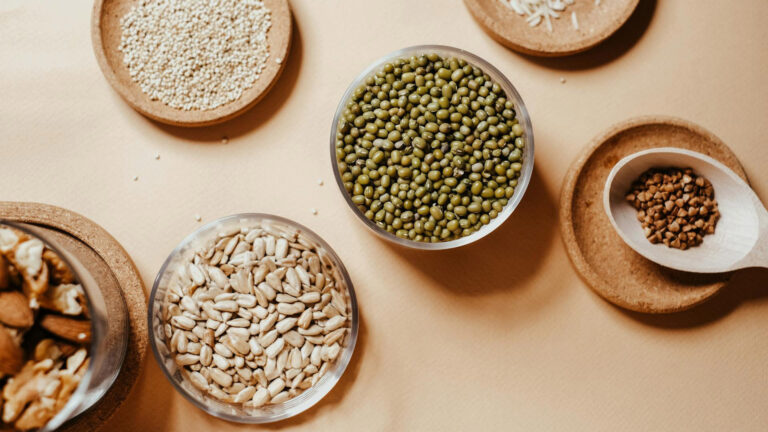
- Seed cycling: may support the oestrogen-progesterone balance during perimenopause — see our seed cycling for hormonal balance
- Magnesium glycinate: supports sleep quality and reduces anxiety
- Phytoestrogen-rich foods: flaxseed, soy, red clover — provide weak oestrogenic activity that may reduce vasomotor symptoms
The Bottom Line
Understanding and addressing perimenopause symptoms requires a comprehensive, evidence-based approach that combines dietary optimisation, targeted supplementation, lifestyle changes, and appropriate medical care. The strategies outlined here represent the current best evidence — always individualise your approach and work with healthcare professionals for personalised guidance.
Click to rate this post!
[Total: 0 Average: 0]