

Medical Note: This article is for informational purposes only. Always consult a qualified healthcare professional before making health decisions.

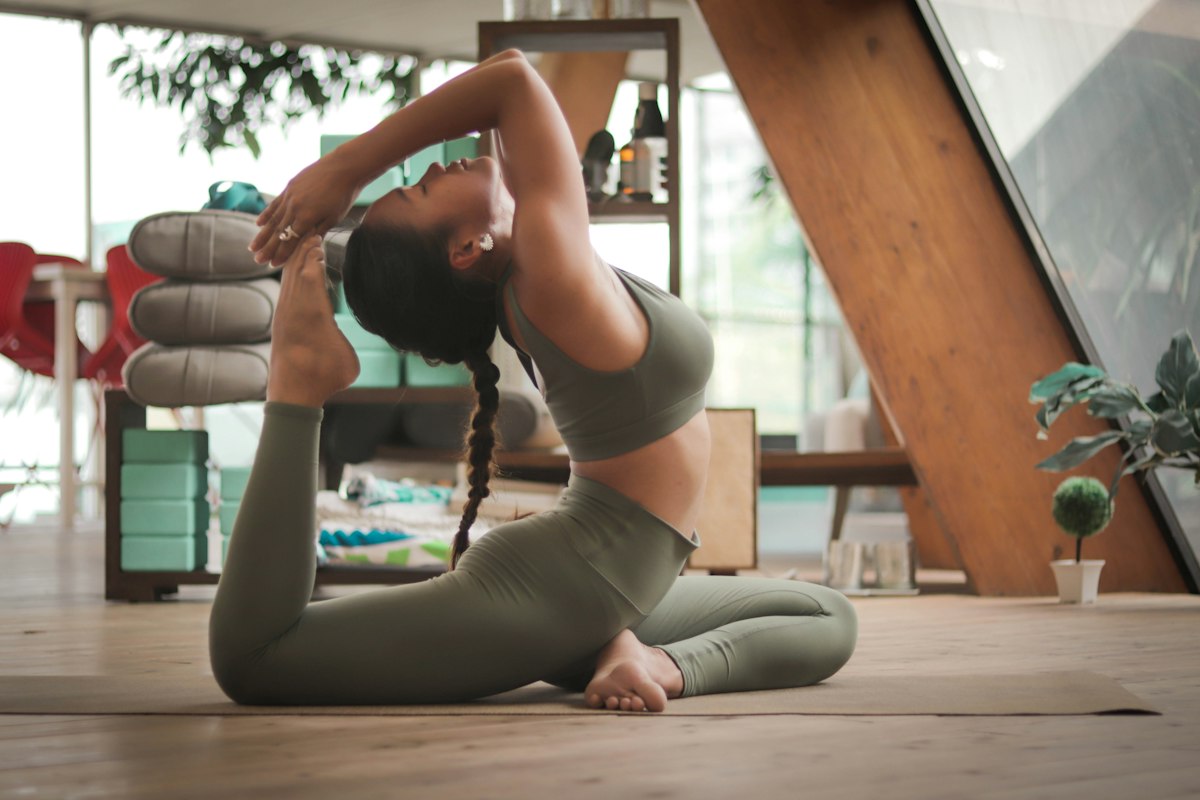
Pilates and yoga are often grouped together as ‘mind-body exercise’ — both practised on mats, both emphasising breath and awareness, both popular in studios worldwide. But they are actually quite different in their mechanics, primary benefits, and ideal use cases.
Key Signs and Symptoms
- Pilates focuses primarily on core strength, spinal alignment, and functional movement patterns through precise, controlled exercises
- Yoga encompasses a broader philosophy including breathing practices, meditation, and physical postures (asanas) in styles ranging from gentle restorative to intense power yoga
- Pilates originated as rehabilitation exercise and maintains a strong evidence base for postural correction, back pain, and pelvic floor rehabilitation
- Yoga has a 5,000-year history and evidence base spanning anxiety, depression, blood pressure, flexibility, and chronic pain management
Evidence-Based Strategies
- For core strength and back pain: Pilates wins decisively — its specific focus on deep stabiliser muscles and spinal alignment has excellent clinical evidence
- For flexibility and mobility: yoga has a slight edge, particularly styles like Yin yoga which target connective tissue
- For mental health and stress: yoga’s combination of breathwork, meditation, and movement gives it an evidence advantage — particularly for anxiety and depression; complement with our longevity diet guide
- For weight loss: neither is highly effective as a primary weight loss tool; combine with Zone 2 training and strength training; however, hot yoga and dynamic vinyasa do burn meaningful calories
- For perimenopause and hormonal health: both have specific benefits; yoga nidra and restorative yoga for cortisol management; Pilates for pelvic floor and bone density — complementing the anti-inflammatory 7-day plan approach
- Best recommendation: practise both; complement Pilates (2×/week for strength and alignment) with yoga (2×/week for flexibility and nervous system regulation)
The Bottom Line
Understanding and addressing pilates vs yoga requires a comprehensive, evidence-based approach that combines dietary optimisation, targeted supplementation, lifestyle changes, and appropriate medical care. The strategies outlined here represent the current best evidence — always individualise your approach and work with healthcare professionals for personalised guidance.
⚖
Weight Management Tools
Evidence-backed supplements, portion control tools, and food scales for smarter weight management.
📌 Related Reading:
🌿 Get weekly evidence-based health guides.
Subscribe Free →
Subscribe Free →




Leave a Reply