

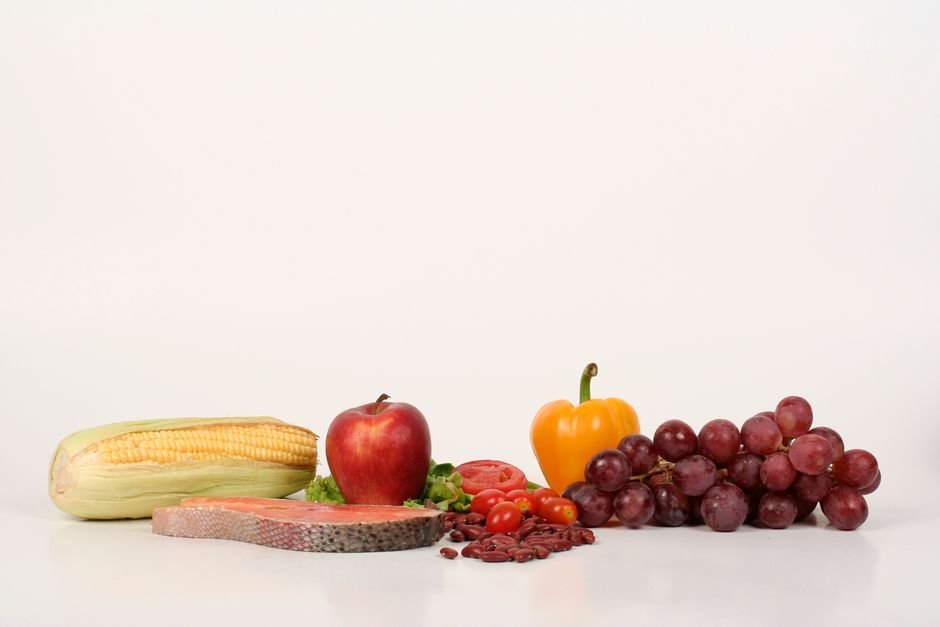
A well-functioning immune system relies on a steady supply of specific nutrients — vitamin C, zinc, vitamin D, and various antioxidants among them. While no single food prevents illness on its own, consistently including these 15 foods supports your body’s natural defenses.
15 Foods That Support Immune Function
1. Citrus Fruits
Oranges, grapefruits, lemons, and limes are rich in vitamin C, essential for the production and function of white blood cells that fight infection.
2. Bell Peppers
Red bell peppers contain even more vitamin C per gram than most citrus fruits, alongside beta-carotene, which supports healthy skin and mucous membranes — the body’s first line of defense against pathogens.
3. Garlic
Garlic’s sulfur compounds have documented antimicrobial properties and population studies link regular garlic consumption to fewer and shorter common colds.
4. Ginger
Ginger’s anti-inflammatory compounds may help reduce inflammation and support the body’s response to infection, alongside traditional use for soothing nausea and sore throat.
5. Spinach
Rich in vitamin C, antioxidants, and beta-carotene, spinach supports overall immune function while providing folate, important for healthy immune cell production.
6. Yogurt
Yogurt with live active cultures provides probiotics that support gut health, which is increasingly recognized as closely linked to immune function given that a large portion of immune tissue resides in the digestive tract.
7. Almonds
A rich source of vitamin E, a fat-soluble antioxidant important for regulating immune function.
8. Turmeric
Curcumin, turmeric’s active compound, has demonstrated anti-inflammatory and immune-modulating properties in research.
9. Green Tea
Rich in the antioxidant EGCG, green tea supports immune cell function and has demonstrated antimicrobial properties in laboratory studies.
10. Sunflower Seeds
A good source of vitamin E, selenium, and zinc — all important minerals for immune regulation.
11. Poultry
Chicken and turkey provide vitamin B6, important for supporting biochemical reactions in the immune system, along with high-quality protein needed for antibody production.
12. Shellfish
Oysters, crab, and lobster are excellent sources of zinc, a mineral critical for immune cell development and function, with deficiency linked to impaired immune response.
13. Kiwi
As covered in more depth elsewhere, kiwi is exceptionally rich in vitamin C, supporting immune function alongside its other health benefits.
14. Papaya
Rich in vitamin C and containing papain, a digestive enzyme, papaya also provides potassium and folate, supporting overall immune health.
15. Broccoli
Packed with vitamins A, C, and E, along with fiber and antioxidants, broccoli is considered one of the most nutrient-dense vegetables available for immune support.
Beyond Diet: Other Pillars of Immune Health
While these foods provide meaningful support, immune function is also strongly influenced by adequate sleep, regular physical activity, stress management, and avoiding smoking — a food-only approach without these other basics will have limited impact on overall immune resilience.
Frequently Asked Questions
Can these foods prevent me from getting sick?
No single food or combination of foods can guarantee immunity from illness. These foods support the nutrients and conditions your immune system needs to function well, which may help reduce frequency or severity of some illnesses, but they don’t provide guaranteed protection.
How quickly can dietary changes improve immune function?
Some immune-relevant nutrient levels, like vitamin C, can improve within days of increased intake, but building broader immune resilience through consistent nutrition, sleep, and lifestyle habits is a cumulative process that develops over weeks and months, not an overnight fix.
Is it possible to have too much of an immune-boosting nutrient?
Yes, particularly with supplements. Excessive zinc intake, for example, can actually impair immune function and cause other health issues. Getting these nutrients primarily from whole foods, as outlined above, is generally safer than high-dose supplementation without medical guidance.
Subscribe Free →



Leave a Reply