


Rather than searching for a single ‘best’ weight loss exercise, research consistently shows that a combination of exercise types — done consistently — produces the best results. Here’s a practical, evidence-based routine you can adapt to morning or evening.
5 Effective Exercises for Weight Loss
1. High-Intensity Interval Training (HIIT)
Short bursts of intense exercise (like sprints, burpees, or mountain climbers) followed by brief rest periods have been shown to maximize calorie burn both during and after exercise, due to elevated post-exercise oxygen consumption (sometimes called the ‘afterburn effect’).
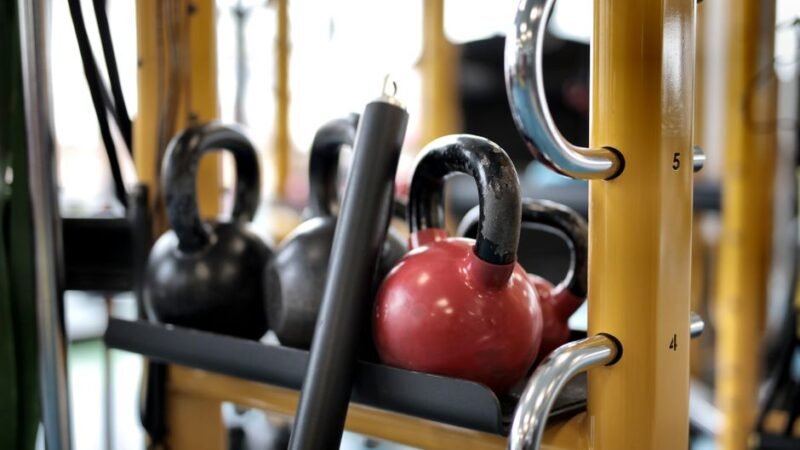
2. Resistance/Strength Training
Building and preserving muscle mass through resistance training increases resting metabolic rate over time, meaning you burn more calories even at rest — a critical, often overlooked component of sustainable weight loss.
3. Brisk Walking
Often underrated compared to more intense exercise, consistent brisk walking is low-impact, sustainable long-term, and has strong evidence for supporting weight management, cardiovascular health, and stress reduction.
4. Core and Compound Bodyweight Movements
Exercises like planks, squats, and push-ups build functional strength across major muscle groups without requiring equipment, making them accessible for consistent home practice.
5. Active Recovery Movement (Yoga or Stretching)
While not a direct calorie-burning powerhouse, gentle movement like yoga supports recovery, reduces injury risk from more intense training, and helps manage the stress and cortisol that can otherwise work against weight loss efforts.
Morning vs. Evening: Does Timing Matter?
Research on exercise timing and weight loss is mixed — some studies suggest morning exercise may slightly improve appetite regulation and consistency for some people, while others find no significant difference in fat loss outcomes based on time of day. The exercise time that you can consistently maintain long-term is more important than chasing a theoretically ‘optimal’ time.
Building a Simple Twice-Daily Routine
A practical approach many people find sustainable: a longer, more intense session (HIIT or strength training) in the morning or your preferred main workout time, paired with a shorter, lower-intensity movement session (a walk or light stretching) later in the day. This isn’t a strict requirement — a single well-structured daily session is also entirely effective for weight loss.
Frequently Asked Questions
Do I need to exercise twice a day to lose weight?
No, twice-daily exercise is not necessary for weight loss. A single well-structured workout session most days of the week, combined with a consistent calorie deficit through diet, is entirely sufficient for most people’s weight loss goals.
Which is more effective for weight loss: cardio or strength training?
Both play complementary roles. Cardio (like HIIT or walking) burns more calories during the session itself, while strength training builds muscle that increases resting metabolic rate over time. A combination of both, rather than either alone, is generally most effective for sustainable weight loss.
How soon will I see results from a consistent exercise routine?
Most people notice improvements in energy and fitness within 2-3 weeks of consistent exercise, with more visible physical changes typically appearing over 8-12 weeks, depending on starting point, diet consistency, and exercise intensity.
Subscribe Free →



Leave a Reply