

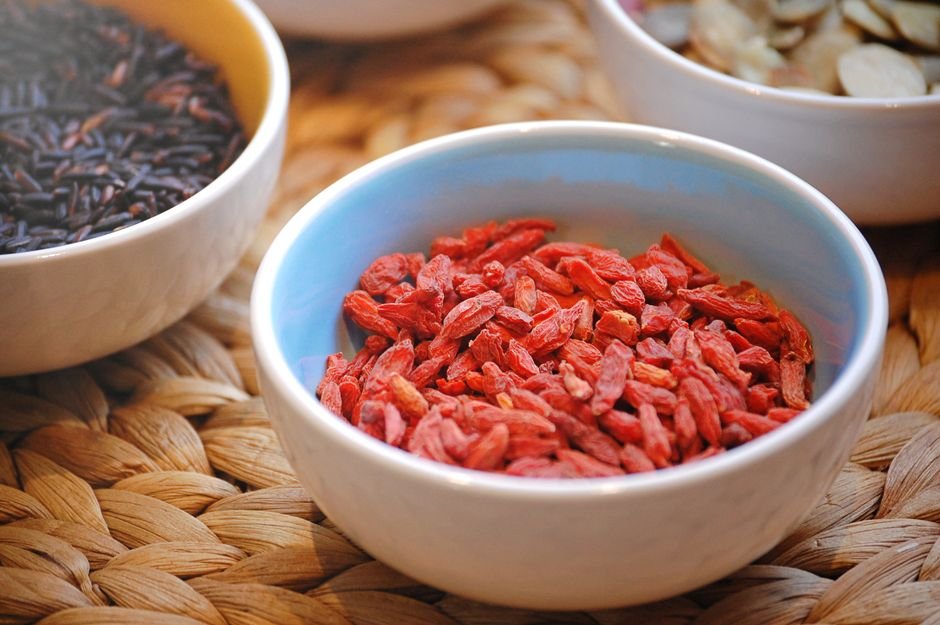
‘Superfood’ isn’t a formal scientific category, but it’s a useful shorthand for nutritionally exceptional foods. Beyond the well-known berries and leafy greens, several lesser-known foods deliver an outsized nutrient punch relative to their calorie content.
5 Underrated Superfoods Worth Adding to Your Diet
1. Moringa: The Nutrient-Dense Leaf
Moringa leaf powder is exceptionally concentrated in vitamin C, vitamin A, calcium, and iron, alongside a relatively complete amino acid profile for a plant food. Even a teaspoon stirred into smoothies or soups meaningfully boosts micronutrient intake.
2. Camu Camu: An Extreme Vitamin C Source
This Amazonian berry contains one of the highest vitamin C concentrations of any known food — dramatically higher than oranges gram for gram — typically consumed as a freeze-dried powder due to its extreme tartness in fresh form.
3. Spirulina: A Nutrient-Dense Algae
Spirulina is a blue-green algae exceptionally rich in complete protein, B vitamins, iron, and antioxidant phycocyanin. Research suggests spirulina may support immune function and has modest cholesterol-lowering effects in some studies, making it a popular addition to smoothies despite its strong flavor.
4. Sea Buckthorn: A Rare Omega-7 Source
Sea buckthorn berries and oil are one of the few natural sources of omega-7 fatty acids, which have been studied for supporting skin and mucous membrane health, alongside a strong vitamin C and antioxidant profile.
5. Black Garlic: Concentrated Antioxidants
Made by slowly fermenting whole garlic bulbs, black garlic concentrates S-allylcysteine, a stable and highly bioavailable antioxidant compound, while losing raw garlic’s pungency — offering a sweeter, more convenient way to get garlic’s benefits daily.
How to Incorporate These Superfoods
Most of these foods come as powders or extracts that blend easily into smoothies, yogurt, or oatmeal. Start with small amounts (a half teaspoon or less for potent options like spirulina or camu camu) to assess taste tolerance and any digestive sensitivity before increasing to typical studied doses.
A Reality Check on ‘Superfoods’
No single food, however nutrient-dense, can offset an otherwise poor overall diet. These foods are best understood as beneficial additions to an already balanced diet built primarily around vegetables, fruits, whole grains, and quality protein sources, not as shortcuts that replace foundational healthy eating habits.
Frequently Asked Questions
Are superfoods scientifically proven to be better than regular fruits and vegetables?
‘Superfood’ is a marketing term, not a scientific classification. Many so-called superfoods do have exceptional nutrient density backed by real research, but common vegetables and fruits, eaten consistently, also provide substantial, well-documented health benefits. The two aren’t mutually exclusive — superfoods are a beneficial addition, not a replacement for foundational healthy eating.
Can spirulina replace meat as a protein source?
Spirulina is unusually protein-rich for a plant food and contains a fairly complete amino acid profile, making it a useful supplemental protein source, particularly for vegetarians and vegans. However, the typical serving size (a few grams) provides relatively modest total protein compared to a full meal-sized portion of meat, legumes, or other protein-dense foods.
Is it safe to take multiple superfood powders together?
Generally yes, in moderate amounts, but starting with one at a time helps identify any individual digestive sensitivity or allergic reaction. People on blood-thinning or blood-sugar medications should check for potential interactions, since some of these foods (like moringa and spirulina) can have mild effects on blood sugar or clotting.
Subscribe Free →




Leave a Reply