Healthy Recipes

Is Poha Good for Diabetics? Understanding Its Benefits With 3 Poha Recipes

Is Poha Good for Diabetics? Understanding Its Benefits With 3 Poha Recipes
Medical Note: This article is for informational purposes only. Always consult a qualified healthcare professional before making health decisions.
Is Poha Good for Diabetics? Understanding Its Benefits With 3 Poha Recipes
Is Poha Good for Diabetics? Understanding Its Benefits With 3 Poha Recipes. Photo: Pexels

Exploring the Diabetic-Friendly Nature of Poha

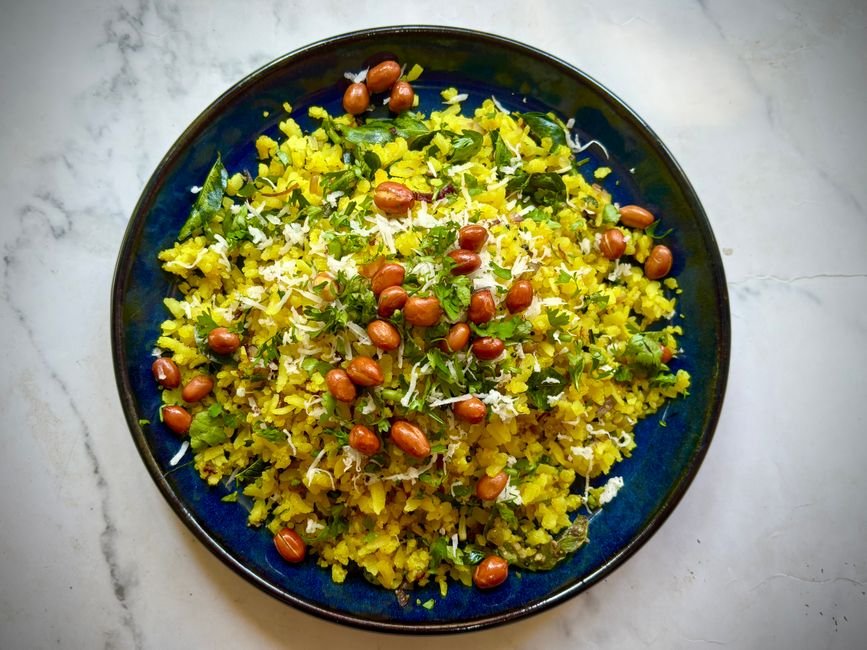
The question “Is poha good for diabetics?” often arises in discussions about diabetic diets. Poha, a staple in Indian cuisine, particularly in Gujarati households, is made from parboiled rice that is flattened and dried. It’s a favored choice for breakfast or a snack. Its significance in a diabetic diet is critical, especially as people with diabetes continuously seek suitable foods.

Glycemic Index: A Key Factor in Poha’s Suitability for Diabetics

One of the reasons why poha is considered good for diabetics is its glycemic index (GI), which ranges from 38 to 64. This is significantly lower than most rice varieties, due to the minimal processing of its starch. This property of poha helps in slowing down digestion, thereby avoiding rapid spikes in blood sugar levels.

The Answer to the question: Is poha good for diabetics?

Understanding why poha is good for diabetics involves looking at its numerous health benefits.

Nutritional Benefits That Favor Diabetic Health

  • Fiber and Iron: With 3.3g of fiber and 6.1mg of iron per 100g, poha not only aids in digestion but also addresses constipation, a common concern for diabetics.
  • Probiotic Qualities: Being fermented, poha is beneficial for gut health.
  • Lower Starch Content: Compared to regular rice, poha’s reduced starch content makes it a better choice for controlling blood sugar.
  • Essential Nutrients: Poha is a good source of calcium, iron, and has 25% more Vitamin C than other cereals, making it nutritionally advantageous for diabetics.

How Poha Fits into a Diabetic Diet

  • Carbohydrate Management: Providing 40 grams of carbohydrates per serving, poha meets energy needs without overloading on carbs.
  • Aiding Weight Control: Fiber in poha helps in managing weight, a key factor in diabetes control.
  • Regulating Blood Sugar: The antioxidants in poha play a role in blood sugar regulation.
  • Boosting Immunity: The range of nutrients in poha supports a strong immune system, beneficial for diabetics.

Incorporating Poha into Diabetic-Friendly Meals

Poha’s versatility makes it a great addition to a diabetic’s diet.

Diabetic-Friendly Poha Recipes

1. Mixed Vegetable Poha

Ingredients:

  • 1 cup thick poha (flattened rice)
  • 1/2 cup chopped onions
  • 1/2 cup chopped tomatoes
  • 1/2 cup grated carrots
  • 1/2 cup peas
  • 1/2 cup chopped bell peppers
  • 1 teaspoon mustard seeds
  • 1/2 teaspoon turmeric powder
  • 2 teaspoons olive oil
  • Salt to taste
  • Lemon juice and chopped coriander for garnishing

Instructions:

  1. Rinse poha in a colander until soft. Drain and set aside.
  2. Heat oil in a pan. Add mustard seeds and let them splutter.
  3. Add onions and sautΓ© until translucent.
  4. Mix in carrots, peas, and bell peppers, cooking until they are slightly soft.
  5. Add tomatoes, turmeric, and salt. Cook for 2 minutes.
  6. Add the softened poha and mix well. Cook for another 2-3 minutes.
  7. Garnish with lemon juice and coriander.

Is poha good for diabetics? Yes, especially when enriched with vegetables, as it adds fiber and nutrients, making it a balanced meal.

2. Moong Dal Poha

Ingredients:

  • 1 cup thick poha
  • 1/2 cup sprouted moong dal (green gram)
  • 1/2 cup chopped onions
  • 1 green chili, finely chopped
  • 1 teaspoon cumin seeds
  • 1/2 teaspoon asafoetida (hing)
  • 2 teaspoons olive oil
  • Salt to taste
  • Lemon juice and chopped coriander for garnishing

Instructions:

  1. Rinse poha and set aside to soften.
  2. Boil moong dal until it’s cooked but still firm.
  3. In a pan, heat oil and add cumin seeds and asafoetida.
  4. Add onions and green chili, and sautΓ© until onions are soft.
  5. Add boiled moong dal, salt, and mix well.
  6. Add poha and stir gently. Cook for 2-3 minutes.
  7. Garnish with lemon juice and coriander.

Including protein-rich moong dal answers the question, Is poha good for diabetics? by adding a healthy protein component to the meal.

3. Curd Poha

Ingredients:

  • 1 cup thick poha
  • 1 cup low-fat curd (yogurt)
  • 1/2 cup grated cucumber
  • 1/4 cup grated carrots
  • 1/2 teaspoon mustard seeds
  • 1/2 teaspoon cumin seeds
  • 1/4 teaspoon asafoetida (hing)
  • 2 teaspoons olive oil
  • Salt and pepper to taste
  • Chopped coriander for garnishing

Instructions:

  1. Rinse and drain poha. Set aside.
  2. Mix curd, cucumber, and carrot in a bowl.
  3. In a small pan, heat oil and add mustard seeds, cumin seeds, and asafoetida.
  4. Pour this tempering over the curd mixture.
  5. Add the poha to the curd mixture. Mix well.
  6. Season with salt and pepper.
  7. Garnish with chopped coriander.

Curd poha is a refreshing option and a great answer to “Is poha good for diabetics?” as it combines the low glycemic index of poha with the probiotic benefits of curd.

Remember, while poha can be a good option for diabetics, it’s crucial to consider the overall meal balance and portion sizes. Consultation with a healthcare provider or dietitian is always advisable for personalized dietary advice.

Optimal Times to Enjoy Poha

Due to its lightness and digestibility, poha can be eaten at any time of day. However, moderation is key in managing blood sugar levels effectively.

Professional Guidance for Diabetics Considering Poha

Although poha is generally considered good for diabetics, individual dietary needs can vary. It is advisable to consult healthcare professionals, like those at BeatO’s Care Program, for personalized dietary planning.

Addressing Common Queries

Q1: Is poha good for diabetics to include in their diet? Ans: Yes, poha is a viable and nutritious choice for diabetics, primarily due to its low GI and high fiber content, but it should be consumed in moderation.

Q2: What makes poha beneficial for diabetics? Ans: Poha’s richness in fiber, iron, and essential vitamins like Vitamin C and B9 makes it beneficial for controlling blood sugar, supporting the immune system, and enhancing overall health.

Q3: How can diabetics incorporate poha in their meals? Ans: Diabetics can enjoy poha in various forms, including poha dosa, tamarind poha, or soaked in milk, while being mindful of portion sizes and avoiding added sugars.

🥑
Nutrition Tracking Tools
Kitchen scales, macro tracking apps, and meal prep containers for precision nutrition.

Shop Now →

📌 Related Reading:

🌿 Get weekly evidence-based health guides.
Subscribe Free →
abdulkarim.salahuddin
View all articles →
Health & Wellness Writer

Health and wellness writer focused on evidence-based content, helping readers make informed decisions about their health.

← Previous Universal Multivitamin: The Number 1 Solution for Daily… Next → Transform Your Body with Nature’s Best: Top Ayurvedic…

Leave a Reply

Your email address will not be published. Required fields are marked *