


Ramadan’s daily fasting pattern, from dawn to sunset, calls for thoughtful meal planning at both Sehri (the pre-dawn meal) and Iftar (the sunset meal-breaking) to sustain energy and support overall health throughout the fasting hours.
5 Energizing Sehri Ideas
1. Protein-Rich Egg Preparations
Eggs provide sustained protein that digests slowly, helping maintain fullness through the fasting hours. Preparing them with vegetables adds fiber for additional satiety.
2. Oatmeal with Fruits and Nuts
Oats’ soluble fiber slows digestion, providing a steady energy release rather than a quick spike and crash, making it a well-suited pre-fast meal.
3. Whole Grain Flatbread with Yogurt
Combining whole grains with protein-rich yogurt supports both sustained energy and hydration going into the fasting period.
4. Dates with Nuts
Dates provide natural sugars and fiber, while nuts add protein and healthy fat, together offering both quick and sustained energy sources.
5. Vegetable and Lentil Soup
A warm, hydrating soup rich in fiber and plant protein helps with both hydration and satiety before the fasting hours begin.
5 Nourishing Iftar Ideas
1. Dates (Traditional Fast-Breaking)
Following tradition, breaking the fast with a few dates provides quick natural sugars to restore blood glucose gently, alongside fiber and potassium.
2. Fresh Fruit and Water
Rehydrating with water and fresh fruit before a full meal helps ease the digestive system back into activity after the day-long fast.
3. Lentil or Vegetable Soup
A light, warm soup is traditionally used to gently reintroduce food, being easier on the digestive system than heavy, rich dishes immediately after fasting.
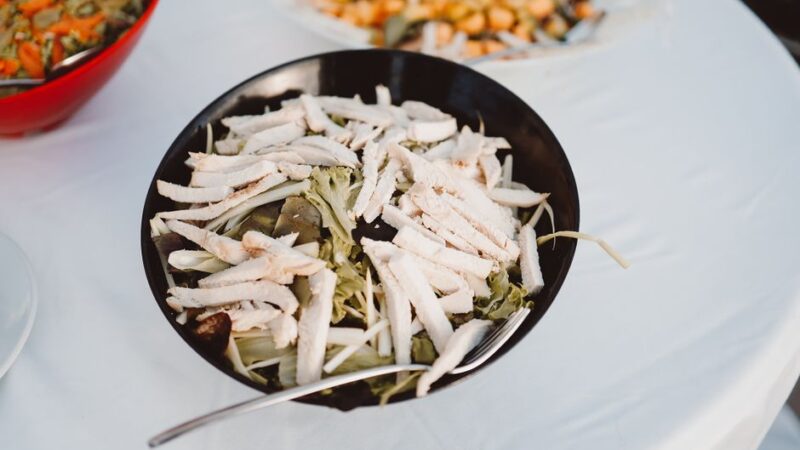
4. Grilled Lean Protein with Vegetables
Once the initial light food has settled, a balanced main meal with lean protein and vegetables supports muscle maintenance and overall nutrition.
5. Whole Grains Over Refined Carbohydrates
Choosing whole grains for the main Iftar meal, rather than refined, fried options, supports more stable blood sugar and sustained fullness through the evening.
Hydration Strategy During Ramadan
Since no fluids are consumed during fasting hours, spreading water intake across the Iftar-to-Sehri window — rather than trying to drink large amounts at once — supports better hydration throughout the following fasting day. Limiting caffeine and very salty foods at Sehri also helps reduce excessive thirst during the fast.
Frequently Asked Questions
What foods should be avoided at Sehri?
Very salty, fried, or heavily processed foods are best minimized at Sehri, since they can increase thirst and don’t provide the sustained energy needed through a full day of fasting. Prioritizing protein, fiber, and complex carbohydrates supports better energy levels.
Why is it traditional to break the fast with dates?
Dates provide quickly digestible natural sugars that gently restore blood glucose after a full day without food, along with fiber and potassium, making them a practical and traditional choice recommended in Islamic tradition for breaking the fast.
How can I avoid overeating at Iftar after a full day of fasting?
Starting with a light, hydrating food like dates and water, followed by a soup, before moving to the main meal helps ease the digestive system back into activity gradually and naturally reduces the tendency to overeat compared to diving straight into a large, heavy meal.
Subscribe Free →

Leave a Reply