

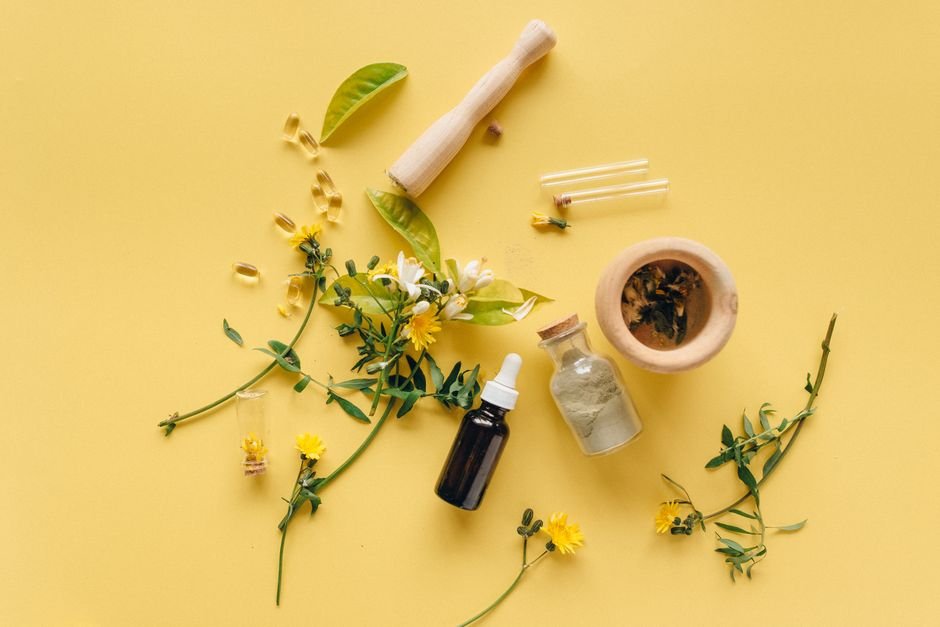
Depression affects approximately 280 million people worldwide — making it the leading cause of disability globally. Despite decades of pharmaceutical research, antidepressant medications produce full remission in only 30-40% of patients and come with significant side effects for many. This has driven growing research interest in lifestyle-based and natural interventions — not as replacements for professional treatment, but as evidence-based adjuncts that meaningfully improve outcomes.
This article covers only interventions with genuine clinical trial evidence. The wellness industry is saturated with unsubstantiated depression remedies. What follows is what the science actually supports — with an honest assessment of effect sizes and the crucial caveat about when professional help is essential.
Understanding Depression: More Than Sadness
Clinical depression (major depressive disorder) is a biological illness characterised by persistent low mood, loss of interest or pleasure, fatigue, cognitive impairment, sleep disturbances, and appetite changes — lasting at least two weeks and impairing functioning. It involves measurable changes in neurochemistry (serotonin, dopamine, norepinephrine, GABA systems), neuroinflammation, HPA axis dysregulation, and in chronic cases, structural brain changes including hippocampal volume reduction.
This biological complexity is why lifestyle interventions work — they address the underlying inflammatory, neuroendocrine, and neuroplasticity mechanisms — and also why moderate-to-severe depression almost always requires professional intervention alongside any lifestyle approach.

What the Evidence Actually Shows
A 2023 umbrella review in the British Medical Journal — pooling data from 97 systematic reviews covering over 1 million participants — found that exercise, dietary improvement, omega-3 supplementation, social support, and sleep interventions all produced statistically significant reductions in depression scores. The effect sizes were comparable to, or in some cases exceeded, those of antidepressant medications for mild-to-moderate depression.
The key distinction: these interventions have strong evidence for mild-to-moderate depression and as adjuncts to professional treatment for moderate-to-severe depression. They are not substitutes for antidepressants or psychotherapy in severe cases.
Exercise: The Most Powerful Natural Antidepressant
The evidence for exercise in depression is arguably the strongest of any lifestyle intervention. A landmark 1999 study at Duke University found 30 minutes of aerobic exercise three times weekly produced equivalent antidepressant effects to sertraline (Zoloft) after 16 weeks — with the follow-up showing significantly lower relapse rates in the exercise group. Multiple subsequent meta-analyses confirm: exercise produces meaningful antidepressant effects across virtually all populations tested.
Mechanisms are well-understood:
- BDNF (Brain-Derived Neurotrophic Factor): Exercise increases BDNF expression — literally stimulating the growth of new neurons, including in the hippocampus which shrinks in chronic depression. This is not a metaphor; exercise produces measurable hippocampal neurogenesis in humans.
- Endocannabinoid release: High-intensity exercise releases endocannabinoids (particularly anandamide) that produce the mood elevation known as runner’s high — through the same receptors targeted by cannabis
- HPA axis recalibration: Regular exercise reduces baseline cortisol and improves the stress response — directly addressing one of depression’s core neurobiological features
- Monoamine upregulation: Exercise increases serotonin, dopamine, and norepinephrine synthesis and release — the same targets as most antidepressant medications
Optimal protocol for depression: 3-5 sessions per week of moderate-to-vigorous aerobic exercise (brisk walking, running, cycling, swimming), 30-45 minutes per session. Resistance training also shows antidepressant effects but aerobic exercise has the strongest evidence base. Consistency over intensity — a 30-minute walk done consistently outperforms an intense gym session done irregularly.
Nutrition and the Gut-Brain Axis
The gut-brain axis — the bidirectional communication network between the enteric nervous system, gut microbiome, and central nervous system — is one of the most active research areas in depression science. The gut produces approximately 90-95% of the body’s serotonin, and the microbiome directly influences mood, anxiety, and depression through multiple pathways.
The Mediterranean Diet and Depression
A landmark 2017 RCT (the SMILES trial) randomly assigned people with moderate-to-severe depression to a Mediterranean diet intervention or social support control. After 12 weeks, 32% of the diet group achieved remission compared to 8% of the control group — a striking result for a dietary intervention alone. The Mediterranean diet’s combination of omega-3s, polyphenols, fibre, and fermented foods provides a comprehensive nutritional approach to the inflammation and microbiome dysfunction underlying depression.
Specific Nutritional Factors
- Omega-3 fatty acids (EPA specifically): Meta-analyses consistently show antidepressant effects, particularly with EPA-dominant formulas at 1-2g daily. EPA reduces neuroinflammation and supports serotonin receptor function.
- Zinc: Lower serum zinc is one of the most consistent nutritional findings in depression — multiple RCTs show zinc supplementation reduces depression scores, particularly in treatment-resistant cases. 25-30mg zinc daily.
- Magnesium: Deficiency is extremely common in depression. Magnesium modulates NMDA receptors (a major depression target) and HPA axis function. See our magnesium guide for details.
- Folate and B12: Both essential for one-carbon methylation reactions that produce serotonin and dopamine. Deficiency is associated with depression and reduced antidepressant response. L-methylfolate (the active form) is available as a supplement when supplementation is preferred to increasing dietary intake.
Light Therapy and Circadian Rhythm
Light therapy (10,000 lux broad-spectrum light for 20-30 minutes each morning) has robust evidence for seasonal affective disorder (SAD) — the winter depression driven by reduced light exposure — but also meaningful evidence for non-seasonal depression. A 2015 RCT in JAMA Psychiatry found light therapy was as effective as fluoxetine for non-seasonal major depression, and the combination significantly outperformed either alone.
Mechanisms: morning light exposure suppresses melatonin appropriately, anchors the circadian clock, triggers the cortisol awakening response (which supports daytime energy and mood), and directly regulates serotonin synthesis in the raphe nuclei. Even on cloudy days, outdoor morning light exposure (10+ minutes) provides 10-50x more light than indoor environments.
Evidence-Based Supplements for Depression
St John’s Wort (Hypericum perforatum)
The most extensively studied herbal antidepressant. A Cochrane systematic review of 29 clinical trials found St John’s Wort was significantly more effective than placebo for mild-to-moderate depression and equally effective to standard antidepressants with fewer side effects. Critical caveat: St John’s Wort is a potent inducer of CYP3A4 and P-glycoprotein — it reduces blood levels of numerous medications including oral contraceptives, antiretrovirals, warfarin, cyclosporin, and many others. Always check drug interactions before use.
Saffron (Crocus sativus)
Multiple RCTs — mostly from Iran where saffron is traditionally used — find saffron extract (30mg daily) is comparable to fluoxetine and imipramine for mild-to-moderate depression. Mechanisms include serotonin reuptake inhibition, NMDA antagonism, and anti-inflammatory effects. Well-tolerated with minimal side effects at therapeutic doses.
Rhodiola Rosea
A Siberian adaptogen with good evidence for stress-related mild depression and burnout. Rhodiola activates AMPK, inhibits monoamine oxidase, and modulates stress-response proteins. Multiple RCTs show improvements in depression, stress, and fatigue scores. Dose: 200-400mg standardised extract (3% rosavins, 1% salidroside) daily.
Social Connection and Behavioural Approaches
Social isolation is both a symptom and a cause of depression — it creates a self-perpetuating cycle. Epidemiological studies consistently show that social connection is one of the strongest protective factors against depression. The challenge: depression reduces motivation for social engagement at precisely the time when it is most beneficial.
Behavioural activation — systematically scheduling and engaging in activities that previously produced pleasure or meaning, regardless of current motivation — is one of the core evidence-based components of CBT for depression. The principle: action precedes motivation in depression, not the other way around. Waiting to ‘feel like’ engaging is not an effective strategy.
When Professional Help Is Essential
Natural and lifestyle interventions are most appropriate for: mild depression, subclinical low mood, prevention of relapse in recovered individuals, and as adjuncts to professional treatment. Seek professional help urgently if:
- You are experiencing thoughts of self-harm or suicide — call a crisis line immediately
- Depression is severely impairing your ability to function (work, self-care, relationships)
- Symptoms have persisted for more than 4 weeks without any improvement
- You have a history of bipolar disorder or psychosis
- Natural approaches have been tried consistently for 6-8 weeks without meaningful response
Depression is a medical condition. Seeking professional help is not a failure — it is the most rational response to a biological illness that impairs the very cognitive functions needed to address it.
Frequently Asked Questions
Can exercise really treat depression?
Yes — exercise has Level 1 evidence for mild-to-moderate depression. The Duke University study (1999) found 30 minutes of aerobic exercise three times weekly produced equivalent results to sertraline after 16 weeks. Multiple subsequent meta-analyses confirm this finding across diverse populations. Exercise works through multiple neurobiological mechanisms including BDNF upregulation, monoamine modulation, HPA axis recalibration, and endocannabinoid release. For moderate-to-severe depression, exercise works best as an adjunct to professional treatment rather than a standalone intervention.
What supplements are most evidence-based for depression?
In order of evidence strength: omega-3 EPA (1-2g daily, EPA-dominant formula — multiple meta-analyses of RCTs), St John’s Wort (for mild-to-moderate depression — check drug interactions), saffron extract (30mg daily — comparable to fluoxetine in multiple RCTs), magnesium (particularly for anxiety-depression overlap and treatment-resistant cases), and zinc (25-30mg daily, particularly when serum zinc is low). None of these are recommended as replacements for professional treatment in moderate-to-severe depression.
Is depression a chemical imbalance?
The ‘chemical imbalance’ (specifically serotonin deficiency) theory of depression has been substantially revised by recent research. A landmark 2022 umbrella review in Molecular Psychiatry found no consistent evidence that depression is caused by low serotonin. Current understanding is more complex: depression involves neuroinflammation, HPA axis dysregulation, impaired neuroplasticity, disrupted gut-brain axis signalling, and genetic vulnerabilities — across which serotonin signalling is one of many contributing factors. This complexity explains why lifestyle interventions addressing multiple systems simultaneously can be highly effective.
Subscribe Free →


Leave a Reply