

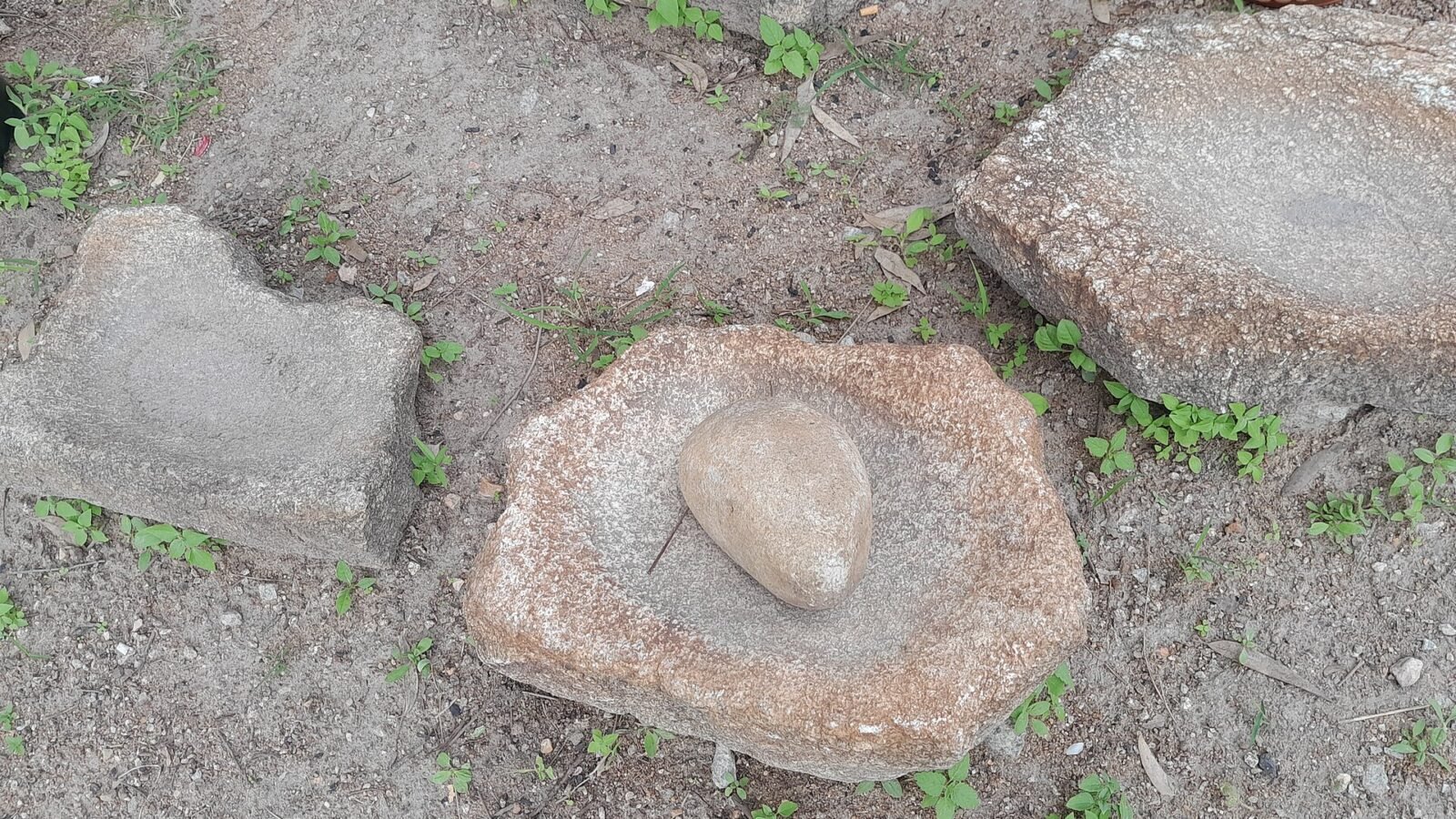
Shilajit is a sticky, mineral-rich resin used in Ayurvedic medicine, marketed for energy, stamina, testosterone and cognition. The honest summary is that some small human trials show promise for fatigue and male fertility, but the overall evidence is limited and low quality, and heavy-metal contamination is a real safety concern. If you use it, choose a third-party tested product, stay near 250 to 500 mg a day, and talk to your doctor first — especially if you are pregnant, breastfeeding, or have kidney disease, gout or a chronic illness.
Search social media for “shilajit” and you will find dramatic claims: more energy, better workouts, sharper focus, higher testosterone, even “reversal of ageing.” Ayurvedic tradition does describe shilajit as a rejuvenating substance, and it has been used for centuries. But tradition and marketing are not the same as modern clinical evidence, and purity is a genuine problem with this supplement.
This article breaks down what shilajit actually is, what research suggests it may and may not do, the contamination risks, and how to make a more informed decision.
Medical Disclaimer: This article is for informational and educational purposes only and does not constitute medical advice. Always consult a qualified healthcare professional before making changes to your diet, supplements, exercise or treatment plan.
What Shilajit Actually Is
Shilajit is a tar-like exudate that seeps from rock formations in high mountain ranges, particularly the Himalayas and parts of Central Asia. It forms over long periods from the slow decomposition of plant and microbial material, and it is rich in humic substances and fulvic acid, along with trace minerals. In Ayurvedic practice it is taken in small amounts, often dissolved in warm milk or water.
Because it is a natural, variable material, its composition depends heavily on where it comes from and how it is purified. That variability is one reason research is difficult to compare across studies: two “shilajit” products may not contain the same compounds at the same concentrations. Fulvic acid is often used as a marker of quality, but the amount can differ widely between brands.
The Claimed Benefits
Marketers commonly claim shilajit can:
- Increase energy and reduce fatigue
- Boost testosterone and male fertility
- Improve memory and cognitive performance
- Support athletic performance and recovery
- Act as an anti-ageing or “adaptogenic” tonic
- Improve glucose metabolism and general vitality
Some of these claims have at least a biological rationale. Fulvic acid and humic substances may influence mitochondrial function and inflammation in laboratory studies, which is where the “energy” story originates. But laboratory findings do not automatically translate into benefits in people, and that gap is where most supplement marketing becomes misleading.
What the Research Actually Shows
Human evidence on shilajit is limited in both quantity and quality. Many studies are small, short, sometimes not randomised, and frequently conducted by groups with a commercial interest. That does not make the findings false, but it means they should be treated as preliminary.
For fatigue and energy, a small number of trials have reported improvements in fatigue scores in healthy adults and in some clinical groups. These results are interesting but need replication in larger, independent trials before they can be considered established.
For male fertility and testosterone, several small studies have suggested improvements in sperm parameters or hormone levels, but sample sizes are small and results are inconsistent. Reviews on the topic generally conclude that evidence is insufficient to recommend shilajit as a treatment.
For cognition, several small trials in older adults have reported modest improvements on memory tests, again with important limitations. For athletic performance, the evidence is thin and mixed.
A reasonable framing is this: shilajit is a plausible but unproven supplement. It is not a proven treatment for any condition, and it should not replace evidence-based care for fatigue, low testosterone, memory concerns or metabolic problems.
The table below summarises how strong the evidence is for the main claims, so you can separate marketing from what has actually been studied.
| Claim | Human evidence | How to treat it |
|---|---|---|
| Reduces fatigue / boosts energy | A few small trials with mixed quality | Interesting but not established |
| Improves male fertility / testosterone | Small, inconsistent trials | Insufficient to recommend |
| Improves memory and cognition | A few small older-adult trials | Preliminary only |
| Athletic performance | Thin and mixed | Not supported reliably |
| Anti-ageing | No convincing human evidence | Marketing claim |
Interactions and unknowns
Because shilajit is not a standardised medicine, interaction studies are scarce. It may plausibly affect how some medicines are handled by the body, but there is not enough reliable data to predict this. If you take blood thinners, diabetes medicines, blood pressure medicines or immunosuppressants, do not add shilajit without checking with your doctor or pharmacist. Also remember that “natural” does not mean “harmless,” and an unregulated product can contain substances that are not on the label.
Heavy Metals and Contamination Risk
This is the most important practical issue. Because shilajit is a mineral-rich rock exudate, it can naturally contain heavy metals, and poorly purified or adulterated products have been found to contain lead, arsenic, mercury and cadmium. Reports from consumer laboratories and health authorities have repeatedly flagged elevated lead levels in some products sold online.
Lead and other heavy metals accumulate in the body and can cause serious harm over time, including neurological, kidney and blood effects. The risk is not theoretical; documented cases of lead exposure linked to contaminated Ayurvedic and herbal products exist. The World Health Organization recognises lead poisoning as a significant public health concern, particularly for children and pregnant women.
Because shilajit is sold as a dietary supplement, regulation varies by country and is generally lighter than for medicines. In India and many other markets, not every product is independently tested for heavy metals. This places the burden of caution on the buyer.
Dosage and Standardisation
Common marketed doses range from about 250 to 500 mg per day, often taken as a resin dissolved in warm water or milk, or as a capsule. However, there is no universally accepted standard dose, because the active compounds are not clearly defined and products differ in concentration.
Higher doses are sometimes promoted, but more is not better with a supplement that may contain heavy metals. Starting low and being cautious is sensible. If you and your doctor decide to try it, use the lowest plausible dose for a defined trial period, and stop if you notice any adverse effects.
Who Should Avoid Shilajit
- Pregnant and breastfeeding women: Safety is not established, and heavy metal exposure is especially concerning.
- Children and adolescents: Avoid unless specifically advised by a paediatrician.
- People with kidney disease: The kidneys handle mineral loads, and contamination could be harmful.
- People with gout or a history of kidney stones: Shilajit is sometimes claimed to contain uric acid–related compounds, and mineral content may be a concern.
- Anyone on prescription medicines: Interaction data are lacking, and unregulated products create uncertainty.
- People with iron overload conditions: Additional mineral intake may be inappropriate.
If you have a chronic condition such as diabetes, hypertension, liver disease or an autoimmune disorder, speak with your doctor before using shilajit.
How to Choose a Safer Product
If you decide to use shilajit, product quality matters more than brand hype. Look for:
- Third-party testing for heavy metals by an accredited laboratory, with results available to you.
- Clear sourcing of the raw material and purification method.
- Standardised fulvic acid content if the manufacturer provides it.
- No extravagant health claims — these often signal marketing over science.
- Reputable sellers rather than unknown marketplace listings, which have a higher risk of adulteration.
Even with testing, no supplement can be guaranteed safe for everyone. Absence of a certificate is a stronger warning than presence of a flashy one.
Practical Recommendations
- Do not use shilajit to treat a medical condition; get a proper diagnosis for fatigue, low libido or memory problems.
- Talk to your doctor first, especially if you take medicines or have any chronic illness.
- Choose third-party tested products and keep the dose low, around 250 to 500 mg if you proceed.
- Treat claims about testosterone, cognition and anti-ageing as unproven rather than established.
- Stop and seek advice if you develop headaches, stomach upset, unusual fatigue or other new symptoms.
- Consider better-evidenced basics first: sleep, protein, iron and vitamin D status, and resistance training.
If your goal is energy or hormonal balance, supplements such as ashwagandha and magnesium have somewhat more discussed evidence but still carry caveats. Our reviews of ashwagandha benefits for women, how long ashwagandha takes to work, and magnesium benefits can help you compare options.
When to Seek Professional Medical Advice
See a doctor before starting shilajit if you are pregnant or breastfeeding, have kidney or liver disease, gout, or take prescription medication. Seek medical care promptly if you experience symptoms that could suggest heavy metal exposure, such as persistent headache, abdominal pain, confusion, weakness, or unexplained anaemia. If you have unexplained fatigue, low mood, erectile dysfunction or memory changes, a clinician can look for treatable causes instead of relying on a supplement.
Frequently Asked Questions
Does shilajit really increase testosterone?
Some small studies suggest a possible effect, but the evidence is limited and inconsistent. It is not an established treatment for low testosterone.
Is shilajit safe to take daily?
Short-term use at low doses appears tolerated in some studies, but long-term safety is not well established, and contamination risk is a major concern. Discuss it with your doctor.
What is the correct shilajit dosage?
Marketed doses are usually 250 to 500 mg daily, but there is no standard dose. Start low, and only under medical guidance if you have health conditions.
Can shilajit contain heavy metals?
Yes. Lead, arsenic, mercury and cadmium have been found in some products. Choose third-party tested brands and avoid unverified sellers.
Who should not take shilajit?
Pregnant or breastfeeding women, children, and people with kidney disease, gout or iron overload should avoid it. Anyone on medication should ask a doctor first.
Does shilajit help with fatigue?
A few small trials report improvements, but the evidence is preliminary. Fatigue has many treatable causes and should be evaluated medically.
Is shilajit the same as ashwagandha?
No. Shilajit is a mineral-rich resin, while ashwagandha is an adaptogenic root. They are different products with different evidence bases.
Can I take shilajit with other supplements?
Interaction data are limited. Review all supplements with your doctor or pharmacist before combining them.
References
- National Center for Complementary and Integrative Health (NIH). “Ayurvedic Medicine: In Depth.” https://www.nccih.nih.gov/health/ayurvedic-medicine-in-depth
- PubMed (U.S. National Library of Medicine). “Shilajit — research results.” https://pubmed.ncbi.nlm.nih.gov/?term=shilajit
- U.S. Food and Drug Administration. “Dietary Supplements.” https://www.fda.gov/food/dietary-supplements
- Office of Dietary Supplements, National Institutes of Health. https://ods.od.nih.gov/
- World Health Organization. “Lead poisoning and health.” https://www.who.int/news-room/fact-sheets/detail/lead-poisoning-and-health
- MedlinePlus (U.S. National Library of Medicine). “Dietary Supplements.” https://medlineplus.gov/dietarysupplements.html
Related Reading:


Leave a Reply