

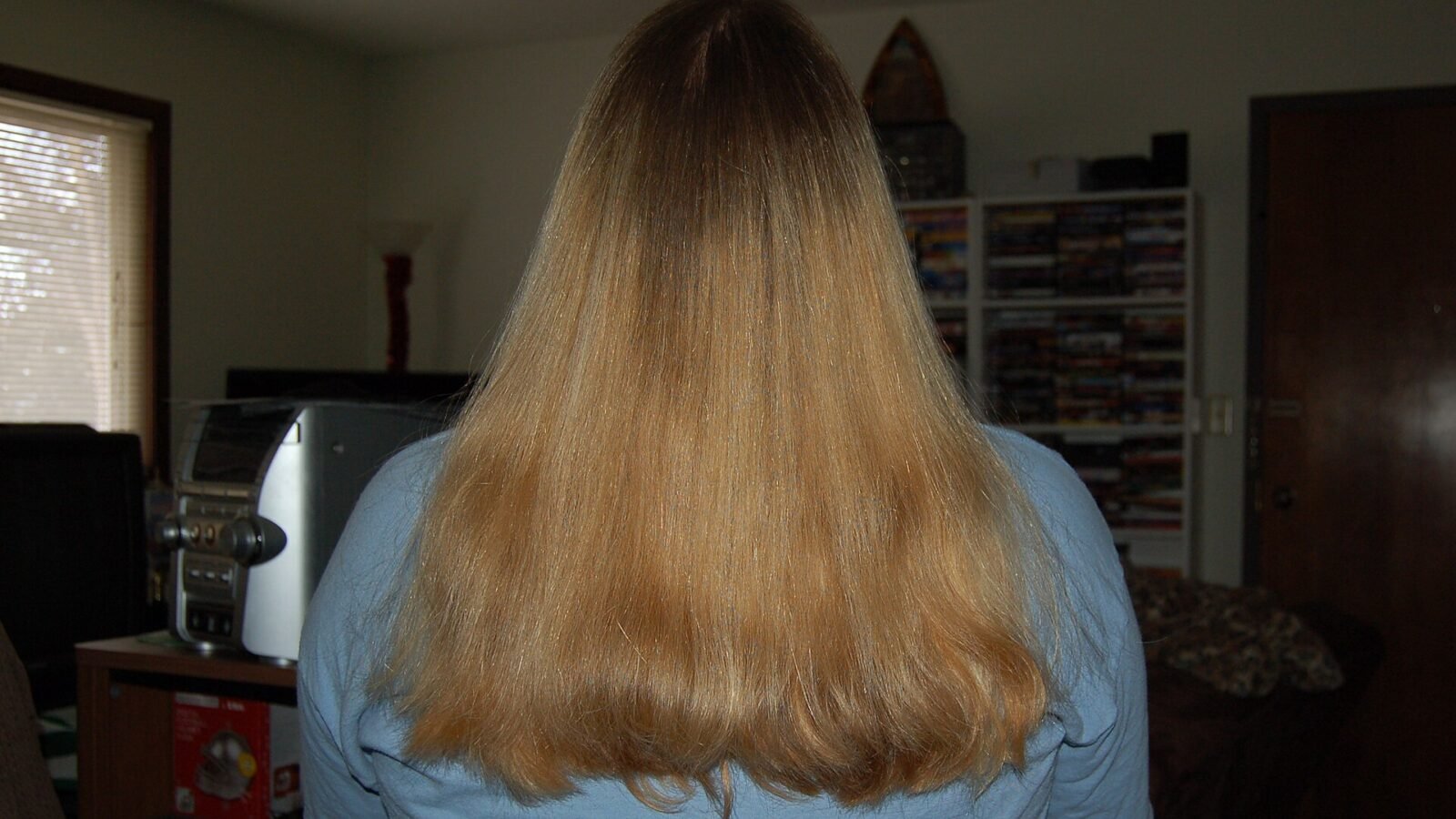
Hair thinning in women is common and usually has an identifiable cause or pattern, which means it is often treatable. The two most frequent explanations are female pattern hair loss (androgenetic alopecia), a gradual widening of the parting driven by genetics and hormones, and telogen effluvium, a temporary shedding triggered by stress, illness, poor nutrition or childbirth. The most reliable treatments are topical minoxidil, correcting deficiencies such as low iron or vitamin D, and treating underlying conditions like thyroid disease or PCOS.
If you are finding more hair on your pillow, in the shower drain or on your brush, it is understandable to worry. But shedding is not the same as permanent loss, and the two need different approaches. Some causes reverse once the trigger is removed; others need consistent, long-term treatment.
This guide explains how to tell the difference, what the evidence says actually works, what is mostly marketing, and when to see a dermatologist.
Medical Disclaimer: This article is for informational and educational purposes only and does not constitute medical advice. Always consult a qualified healthcare professional before making changes to your diet, supplements, exercise or treatment plan.
How Much Hair Loss Is Normal?
It is normal to lose roughly 50 to 100 hairs a day as part of the hair growth cycle. Hair grows in phases: a long growing phase (anagen), a short transition phase, and a resting phase (telogen) after which the hair sheds. At any time, most of your hair is growing and a minority is resting.
The problem is that normal shedding and abnormal shedding are hard to distinguish by counting alone. A more useful signal is change: a sudden increase in shedding, a visible widening of the parting, a smaller ponytail, or patches of thinner hair. Photographs taken in similar lighting over a few months can be more helpful than daily estimates.
Two Main Patterns: Pattern Loss vs Shedding
Female pattern hair loss, also called androgenetic alopecia, is a gradual thinning over the crown and along the parting, while the frontal hairline is often preserved. It is driven by a combination of genetics and the effect of androgens on susceptible hair follicles, which progressively shrink and produce finer, shorter hairs.
Telogen effluvium, by contrast, is a diffuse shedding that typically starts two to three months after a trigger such as a severe illness, major surgery, childbirth, crash dieting or intense emotional stress. The good news is that telogen effluvium is usually temporary and often resolves within six to twelve months once the trigger passes, though regrowth can take time.
Other patterns worth knowing
Traction alopecia results from years of tight hairstyles pulling on the roots, and can scar if continued. Alopecia areata causes smooth, round bald patches and is an autoimmune condition. Frontal fibrosing alopecia causes progressive recession and scarring. These patterns need dermatologist assessment because treatment differs.
Common Causes and Contributors
Several factors commonly contribute to hair thinning in women, and more than one may be present at the same time. A doctor can check for these with a history, examination and blood tests.
| Contributor | How it affects hair | Typical clue |
|---|---|---|
| Genetics / androgenetic alopecia | Follicles shrink over time | Gradual widening of the parting |
| Low iron / ferritin | Disrupts the growth cycle | Fatigue, heavy periods, vegetarian diet |
| Vitamin D deficiency | Associated with shedding and pattern loss | Low sun exposure, dark skin, indoor work |
| Thyroid disease | Both hypo- and hyperthyroidism cause shedding | Weight change, fatigue, temperature sensitivity |
| PCOS | Androgen excess can drive pattern loss | Irregular periods, acne, excess facial hair |
| Postpartum | Normal shedding after hormone shifts | Starts around 2 to 3 months after delivery |
| Crash diets / low protein | Deprives follicles of building blocks | Rapid weight loss, restrictive eating |
| Stress / illness | Shifts hairs into the resting phase | Diffuse shedding months later |
Because so many contributors overlap, self-diagnosis is unreliable. For example, a woman may assume stress is the cause when low ferritin or an underactive thyroid is doing the damage. Checking the underlying cause first prevents months of ineffective treatment.
What the Evidence Says Actually Works
Topical minoxidil is the best-supported treatment for female pattern hair loss. It is applied directly to the scalp, and evidence indicates it can slow loss and promote regrowth in many women. It requires ongoing use: stopping usually means losing the benefit. Initial shedding can occur in the first weeks, which is a sign of the cycle shifting, not a reason to panic.
Correcting deficiencies matters when a deficiency is actually present. Iron, vitamin D, thyroid and other parameters should be tested rather than guessed. If ferritin is low, treating it may improve shedding. If thyroid disease is found, treating it can reverse hair loss.
Low-level laser therapy has some supporting evidence for pattern hair loss, though studies are smaller and devices vary widely in quality. It is reasonable as an add-on for some women but not a guaranteed fix.
Platelet-rich plasma (PRP) injections have shown promise in some trials, but the evidence is limited by small studies, inconsistent protocols and uncertain long-term benefit. It is best discussed with a dermatologist as an option with realistic expectations.
Prescription options such as oral anti-androgens or other medicines may be appropriate for selected women, but they require medical supervision and are not suitable during pregnancy.
Treatments With Weak or Mixed Evidence
Many viral remedies have little reliable evidence behind them. Onion juice, garlic paste, castor oil, rosemary oil blends and most “hair growth” oils are heavily promoted online. Some small studies exist, but they are generally low quality, and none match the evidence base for minoxidil. Oils can make hair feel softer and reduce breakage, which can improve appearance, but they do not reverse pattern loss.
Biotin supplements are popular, yet they help only if you are genuinely deficient. For most well-nourished people, biotin does not speed hair growth, and high doses can interfere with certain laboratory tests. Similarly, “detox” shampoos and scalp scrubs are not treatments for hair loss.
Be cautious with unregulated products marketed as “hair growth” supplements, especially those claiming rapid results. Some have been found to contain undeclared ingredients or contaminants.
Gentle Hair Care and an Indian Diet for Hair
Gentle handling reduces breakage, which can otherwise masquerade as hair loss. Avoid tight ponytails, braids and buns that pull continuously. Limit harsh chemical treatments and high-heat styling. Use a wide-toothed comb on damp hair, and treat wet hair carefully because it stretches and breaks more easily. People with textured or curly hair should detangle from the ends upward.
Nutrition supports hair because hair is a protein structure. Include adequate protein at meals — dal, rajma, chana, paneer, curd, eggs, fish or chicken. Iron-rich foods such as leafy greens, jaggery, dates and legumes help when combined with vitamin C sources like amla, lemon or guava to improve absorption. Nuts, seeds and dairy contribute zinc and other minerals.
For a vegetarian Indian diet, combining cereals and pulses at the same meal improves protein quality. If you follow a plant-based diet, pay particular attention to iron, vitamin B12, zinc and vitamin D, as these are common gaps. For broader hair-friendly habits, see our guides to natural hair growth tips and natural hair care with fruits.
Who Should Be Cautious
- Pregnant or breastfeeding women: Many hair loss treatments, including minoxidil and anti-androgens, are not recommended during pregnancy or breastfeeding. Discuss any treatment with your doctor first.
- Women planning pregnancy: Some prescription treatments require stopping well before conception. Plan ahead with your doctor.
- People with scalp inflammation or scarring: Oils, scrubs and aggressive treatments can worsen certain conditions. Get a diagnosis first.
- Anyone with sudden, patchy or rapidly progressive loss: This needs prompt assessment rather than home remedies.
When to See a Dermatologist
See a dermatologist if you notice a widening parting, a visibly smaller ponytail, patches of hair loss, itching or scaling of the scalp, or shedding that persists beyond six months. Seek care sooner if the loss is sudden, accompanied by scalp pain, or if you have signs of a hormonal problem such as irregular periods, acne or excess facial hair.
Bring a list of your medicines and supplements, and mention any recent illness, childbirth, surgery, major stress or rapid weight loss. A dermatologist may examine the scalp, perform a pull test, take photographs, and order blood tests. Early treatment generally works better than waiting, because some forms of hair loss can become permanent if the follicles scar.
Frequently Asked Questions
What is the most common cause of hair thinning in women?
Female pattern hair loss (androgenetic alopecia) is the most common, driven by genetics and hormones. Telogen effluvium is the most common cause of temporary diffuse shedding.
Can hair thinning in women be reversed?
Many causes can be improved. Pattern loss can be slowed and partially regrown with treatment such as minoxidil, and temporary shedding often resolves once the trigger is addressed. Scarring forms may be permanent and need early care.
Does onion juice or rosemary oil regrow hair?
Evidence is weak and studies are small. These may improve the feel of hair but do not match the evidence for minoxidil.
How long does it take to see results from hair loss treatment?
Hair grows slowly. Most treatments need three to six months before visible change, and continued use is usually required for pattern loss.
Should I take biotin for hair thinning?
Biotin helps mainly if you are deficient. For most people it does not speed growth, and high doses can interfere with lab tests.
Can low iron cause hair loss in women?
Yes. Low ferritin is a common and treatable contributor, particularly in women with heavy periods or restricted diets. Testing is needed before supplementing.
Is minoxidil safe during pregnancy or breastfeeding?
It is generally not recommended during pregnancy or breastfeeding. Talk to your doctor about safer options.
When should I worry about hair loss?
Worry is reasonable if the parting is widening, patches appear, or shedding lasts more than six months. Rapid, sudden or painful loss needs prompt review.
References
- American Academy of Dermatology. “Hair Loss.” https://www.aad.org/public/diseases/hair-loss
- National Health Service (UK). “Hair Loss.” https://www.nhs.uk/conditions/hair-loss/
- MedlinePlus (U.S. National Library of Medicine). “Hair Loss.” https://medlineplus.gov/hairloss.html
- Office of Dietary Supplements, National Institutes of Health. “Iron — Fact Sheet for Consumers.” https://ods.od.nih.gov/factsheets/Iron-Consumer/
- Office of Dietary Supplements, National Institutes of Health. “Vitamin D — Fact Sheet for Consumers.” https://ods.od.nih.gov/factsheets/VitaminD-Consumer/
- National Institute of Diabetes and Digestive and Kidney Diseases. “Hypothyroidism (Underactive Thyroid).” https://www.niddk.nih.gov/health-information/endocrine-diseases/hypothyroidism
- PubMed (U.S. National Library of Medicine). “Minoxidil for female pattern hair loss — research.” https://pubmed.ncbi.nlm.nih.gov/?term=minoxidil+female+pattern+hair+loss
Related Reading:


Leave a Reply