

📋 Table of Contents
Bovine colostrum, the nutrient-dense milk cows produce in the first few days after giving birth, has become one of the fastest-growing supplement categories heading into 2026, with wellness influencers describing it as “liquid gold” for gut health, immunity, and even skin appearance. It’s a case where the underlying science is more nuanced, and in some areas more genuinely promising, than either the enthusiastic marketing or the skeptical dismissals fully capture. This article breaks down what’s actually been tested in clinical trials, where the evidence runs out, and how to think about whether it’s worth adding to your own routine.
What Is Bovine Colostrum?
Colostrum is the first milk produced by mammals in the days immediately following birth, distinct from the mature milk that follows. It’s substantially richer than regular milk in antibodies (particularly immunoglobulin G), growth factors, lactoferrin, and other bioactive proteins whose biological role is to jump-start a newborn calf’s immune system and gut development. Bovine (cow-derived) colostrum has become the standard commercial source for human supplementation, typically harvested from dairy cows within the first day or two after calving, a period when calves have already received their own needed supply.
Human infants receive their own colostrum directly through breastfeeding in the first days of life, and its immune and gut-priming benefits in that specific context are extremely well established in pediatric and lactation research. The commercial supplement industry has essentially asked a different question: whether colostrum sourced from cows, rather than from a person’s own mother, can provide similar benefits when consumed later in life by children or adults with fully developed immune and digestive systems. This is a meaningfully different biological scenario than the well-documented infant use case, which is part of why researchers urge caution in directly extrapolating colostrum’s benefits for newborns onto claims made for adult supplement users.
Why It’s Trending as a Supplement
Interest has accelerated for a mix of reasons: a broader wellness-culture shift toward “ancestral” and less-processed nutrition sources, growing consumer interest in gut health generally, and a wave of high-profile wellness and fitness influencers promoting it for immune support, athletic recovery, and gut-lining repair. A notable and more clinically interesting recent thread has emerged in 2026 as well: early pilot research has found that colostrum supplementation may reduce common GLP-1 medication side effects like acid reflux and bloating, adding a new audience of GLP-1 users to the supplement’s growing popularity.
What the Evidence Actually Supports
Unlike many trending supplements, bovine colostrum does have a genuine body of clinical research behind at least some of its claims, concentrated mainly in gastrointestinal health, an area where colostrum’s naturally high concentration of growth factors and immune proteins gives it a more plausible mechanism of action than many other trending gut-health products currently on the market:
- Diarrhea and gastrointestinal symptom reduction. Multiple clinical trials, including in hospitalized and pediatric populations, have found bovine colostrum supplementation can reduce diarrhea and related GI symptoms, one of the better-supported specific claims.
- NSAID-induced gut damage. A reasonably consistent body of evidence suggests colostrum may help prevent or reduce gastrointestinal damage caused by NSAID use, through supporting the gut’s mucosal barrier.
- Inflammatory bowel conditions. Research, including a 2025 systematic review of 22 clinical trials across nearly 1,500 patients, has found generally positive, though still described as “conflicting” in parts, evidence for colostrum’s effects on conditions like inflammatory bowel disease and irritable bowel syndrome, largely attributed to its lactoferrin and growth factor content supporting epithelial repair and gut barrier integrity.
- Upper respiratory infections. A meta-analysis of seven trials found some evidence that colostrum supplementation may reduce the occurrence of upper respiratory tract infections, though researchers describe this evidence as still preliminary.

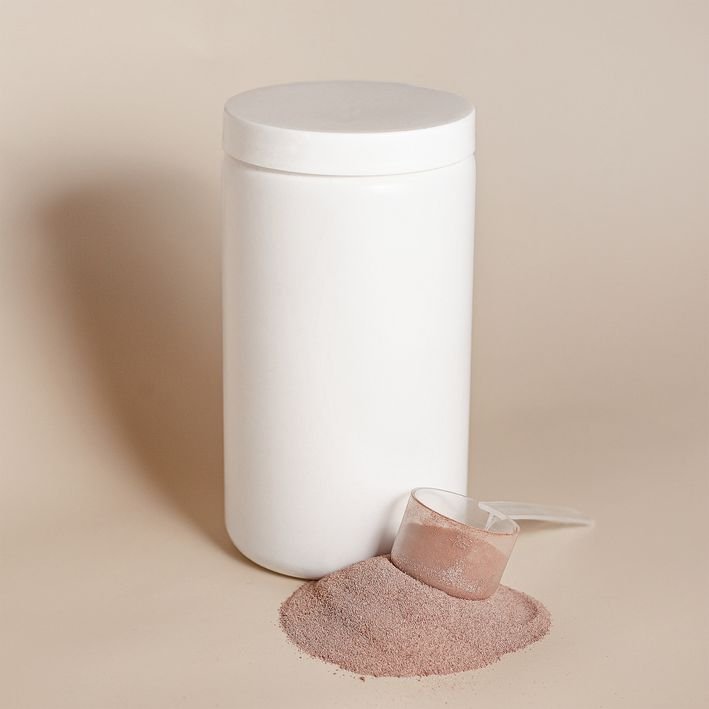
Colostrum is most commonly taken as a powder mixed into water or a shake. Photo: Pexels
Where the Evidence Is Still Thin
Several of the claims most heavily promoted by wellness marketing, particularly those aimed at general fitness and wellness audiences rather than people with a specific diagnosed gastrointestinal condition, have considerably weaker support than the GI-focused research above:
- Athletic performance and immune function in active people. A systematic review and meta-analysis of 10 randomized controlled trials specifically in trained and physically active adults found little to no meaningful impact on immune markers like immunoglobulin levels, despite this being one of the most common marketing claims aimed at gym-goers.
- General immune “boosting” in healthy adults. While colostrum’s immune components are well-documented in newborn calves, researchers caution that it’s unclear how much benefit transfers to the already-mature immune systems of healthy adult humans, as opposed to infants or people with specific GI conditions.
- Skin, hair, and energy claims circulating in wellness marketing currently lack meaningful clinical trial support specific to colostrum, according to registered dietitians who have reviewed the evidence base.
Third-party tested bovine colostrum powder and capsules for gut and immune support.
The New GLP-1 Connection
One of the more clinically interesting recent developments involves an entirely different audience for colostrum: people taking GLP-1 weight loss medications. A researcher who has studied colostrum’s gut effects for more than three decades has published early pilot data suggesting the supplement may help ease common GLP-1 side effects like acid reflux and bloating, theorized to work through the same gut-barrier-supporting mechanism seen in the NSAID and inflammatory bowel disease research. Colostrum’s proposed mechanism, helping stabilize and reduce permeability in the gut’s mucosal lining, offers a plausible biological explanation for why it might specifically help with the digestive side effects common to GLP-1 therapy, which frequently involves nausea and slowed gastric emptying. It’s worth being clear-eyed about where this stands, though: this connection is currently based on early and limited pilot research, not large randomized trials, and independent nutrition scientists caution that more rigorous studies are needed before treating it as an established use, even as the preliminary data has been enough to draw new attention and a new customer base to the supplement category.
How It’s Typically Taken
Bovine colostrum supplements are most commonly sold as a powder, mixed into water, a smoothie, or a shake, though capsule forms are also available. Clinical trials have used a fairly wide range of doses depending on the condition studied, and there is not yet a single well-established consensus dose for general wellness use; commercial products commonly suggest somewhere in the range of 5–20 grams daily, though anyone taking it for a specific medical condition should discuss dosing with a healthcare provider rather than relying solely on product labeling.
Safety Considerations
Bovine colostrum is generally considered safe for most healthy adults, but a few groups should be cautious. It contains trace amounts of estrogen, so people with hormone-sensitive cancers should discuss it with their doctor before use. Anyone with a dairy allergy should avoid it, since it is a dairy-derived product. As with most dietary supplements in the U.S., colostrum products are not tightly regulated for consistency or purity, so choosing a reputable, third-party-tested brand matters more than it would for a pharmaceutical product. It’s also worth noting that colostrum supplements vary considerably in how they’re processed, with some sold as a raw or minimally processed powder and others going through more extensive filtering, which can affect the concentration of active immune and growth-factor components from one product to the next.
Frequently Asked Questions
Does bovine colostrum actually help with gut health?
The strongest evidence for bovine colostrum is in gastrointestinal applications, including reducing diarrhea, supporting recovery from NSAID-related gut damage, and some positive findings for inflammatory bowel conditions, making gut health the area with the most credible clinical support.
Does colostrum help athletic performance?
The evidence here is weaker than commonly marketed. A meta-analysis specifically in trained, physically active adults found little to no meaningful effect on immune markers, despite colostrum being heavily promoted to athletes and gym-goers.
Is bovine colostrum safe to take daily?
It’s generally considered safe for most healthy adults at typical commercial doses, though people with a dairy allergy or hormone-sensitive cancers should avoid it or discuss it with a doctor first, given its trace estrogen content and dairy origin.
Can colostrum help with GLP-1 medication side effects like nausea?
Early pilot research suggests it may help reduce side effects like acid reflux and bloating in some GLP-1 users, plausibly through supporting the gut lining, but this is based on limited preliminary data rather than large randomized trials, so it shouldn’t be treated as an established or guaranteed benefit yet.
References:




Leave a Reply