


Most healthy people do not need electrolyte supplements. They need enough water and a balanced diet. Electrolytes — sodium, potassium, magnesium, calcium and chloride — are minerals that carry an electrical charge and help regulate nerve signals, muscle contractions and the balance of fluid inside and outside your cells. Supplements can genuinely help in specific situations, such as prolonged sweating, intense exercise in heat, or fluid loss from diarrhoea and vomiting. They can also cause harm when taken without need, particularly if you have kidney disease, high blood pressure or heart failure.
Sweat, heat and fitness marketing have made electrolyte powders feel like an everyday essential. In reality, your body manages electrolytes well when your kidneys are healthy and your diet is varied. The useful question is not “are electrolytes good or bad?” but “does this person, in this situation, actually lose enough to need replacing?”
This guide explains what each electrolyte does, who may benefit, the risks of excess sodium and potassium, what hides in sports drinks, and how to make a simple oral rehydration solution at home.
Medical Disclaimer: This article is for informational and educational purposes only and does not constitute medical advice. Always consult a qualified healthcare professional before changing your diet, supplements or treatment plan. If you have kidney disease, heart failure or take diuretics, do not start electrolyte products without medical advice.
What Are Electrolytes and What Do They Do?
Electrolytes dissolve in body fluids and separate into charged particles called ions. That charge lets them conduct electricity and move water between compartments of the body. Without them, nerves could not fire, muscles could not contract and your heart could not keep a steady rhythm. You get them from food and lose them mainly through urine, sweat and stool.
Sodium
The main electrolyte outside your cells. It controls blood volume, blood pressure and water balance, and is abundant in salt, pickles, papad and packaged snacks.
Potassium
The main electrolyte inside your cells. It helps muscles contract and the heart beat regularly. The NIH Office of Dietary Supplements notes it is found in bananas, coconut water, beans, dairy and leafy greens.
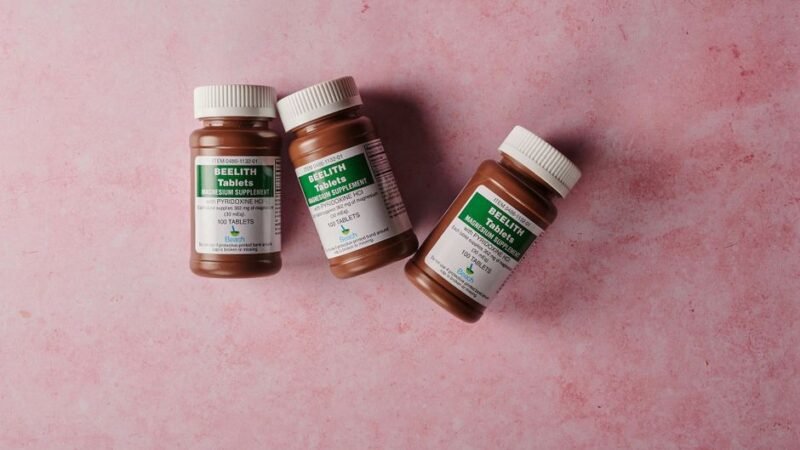
Magnesium
Involved in hundreds of enzyme reactions, including energy production and muscle and nerve function. Our guide to magnesium benefits explains who may need more.
Calcium and chloride
Calcium supports muscle contraction and bone structure; chloride works with sodium to maintain fluid balance. Both are plentiful in a normal diet of dairy, millets, greens and salt.
Do You Actually Need Electrolyte Supplements?
For most people, no. A varied diet plus adequate water covers daily losses. The MedlinePlus overview of fluid and electrolyte balance explains that the body maintains levels tightly, and that problems usually arise from illness, medicines or extreme conditions rather than ordinary living.
| Situation | Main concern | Usual approach |
|---|---|---|
| Short, moderate exercise indoors | Minimal loss | Water is enough |
| Long or intense exercise, heavy sweating | Sodium, some potassium | Water plus electrolytes or food |
| Hot, humid outdoor work all day | Sodium, fluid | Salted fluids and regular water breaks |
| Diarrhoea or vomiting | Sodium, potassium, fluid | ORS, not just plain water |
| Diuretics and some BP medicines | Varies; low or high | Doctor-guided monitoring |
Notice that “feeling tired on a normal day” is not on the list. Fatigue has many causes, and a sports drink will not fix most of them.
Who Genuinely Benefits From More Electrolytes
- Heavy sweaters and people training over an hour. Sweat contains sodium and some potassium; longer, saltier sweating means replacement matters more.
- Endurance athletes. Replacing fluid plus sodium supports performance and reduces the risk of hyponatraemia from drinking too much plain water.
- People working in heat and humidity. Construction workers, farmers, delivery riders and street vendors may lose several litres of sweat daily.
- Illness with diarrhoea or vomiting. Oral rehydration salts are genuinely life-saving here, especially for children and older adults.
- Some medicine users. Diuretics can lower potassium or sodium; ACE inhibitors and ARBs can raise potassium. This needs monitoring, not guesswork.
Even within these groups, food often does the job — a banana, coconut water, salted buttermilk, dal or nuts can replace electrolytes alongside water.
Sports Drinks, Sugar and Clever Marketing
Commercial sports drinks are formulated for sustained, sweaty exercise. Many are sugary soft drinks in disguise. A typical 500 ml bottle can carry 20–35 g of sugar, approaching or exceeding the free-sugar limit the World Health Organization recommends for an adult.
For a desk worker, that sugar is a net negative: extra calories, dental risk and blood-sugar swings without meaningful electrolyte benefit. If you need electrolytes during long exercise, compare labels and choose lower-sugar options, or use food and lightly salted water. Be sceptical of “hydration multipliers” too. Our review of whether fitness supplements do more harm than good explores this pattern.
Risks of Too Much Sodium and Potassium
Electrolytes are not “more is better”. Both deficiency and excess can be dangerous.
Excess sodium raises blood pressure in many people and increases stroke and heart disease risk over time. The American Heart Association recommends limiting sodium, and most people already eat far more than they need. Adding salt tablets on top of a high-salt diet pushes intake further, working against treatment for high blood pressure.
Excess potassium is less common from food but can occur with supplements, potassium-containing salt substitutes and impaired kidney function. Very high potassium can cause dangerous heart rhythms, which is the main reason electrolyte products need caution in kidney disease; our guide to habits that harm your kidneys explains why.
Excess magnesium from supplements can cause diarrhoea, and excess calcium has been linked to kidney stones. Supplement only what you actually lose.
Make-Your-Own ORS, Coconut Water and Lemon-Salt Water
Oral rehydration solution is one of the most important public-health innovations of the last century. The World Health Organization recommends a precise balance of salts and sugar because the sugar helps the intestine absorb sodium and water together.
If you cannot find a sachet, a reasonable home approximation per litre of clean water is six level teaspoons of sugar and half a level teaspoon of salt, stirred until dissolved and sipped slowly. Too much sugar or salt can worsen diarrhoea, so measure carefully. For children or anyone very unwell, a commercial ORS sachet is more reliable than a home mix.
Coconut water is a pleasant natural source of potassium with some sodium and sugar — a reasonable drink in heat, but not a balanced ORS during serious illness. Lemon-salt water, with a pinch of salt, lemon and a little sugar or jaggery, is a sensible home option for sweaty days. Salted buttermilk with roasted cumin is another traditional Indian rehydrator that works well.
India’s Heat, Humidity and Outdoor Workers
Indian summers regularly pass 40°C, and coastal humidity makes sweat evaporate slowly, so the body keeps sweating. For people who work outdoors — construction, agriculture, delivery and traffic management — losses of several litres a day are plausible. Heat illness is a real occupational hazard, and fluid plus sodium replacement helps prevent it.
Illness adds another layer. Diarrhoeal disease remains a major cause of child deaths worldwide, and ORS is the cornerstone of treatment. For everyone else, plain water remains the default. How much you need depends on body size, climate, activity and diet; our guide to how much water you need each day covers the practical signs, as does recognizing the signs of dehydration.
What the Research Says
The evidence for ORS in diarrhoeal dehydration is strong and long established; it saves lives and is recommended by WHO and national health programmes. Evidence for electrolyte drinks during prolonged, sweaty exercise is also reasonably consistent for fluid and sodium replacement.
The evidence for routine supplementation in healthy, lightly active adults is weak. Most studies showing benefit use athletes, hot environments or significant fluid loss, and marketing borrows those findings for desk workers. Claims about “adrenal fatigue” or vague tiredness being fixed by electrolyte powders are unproven and often expensive. There is also an opposite safety signal: drinking excessive plain water during endurance events can dilute sodium dangerously, which is why some athletes need sodium, not just water.
Practical Recommendations
- Start with water and a balanced diet before buying any supplement.
- Use electrolytes when you have genuinely sweated a lot, worked in heat for hours, or lost fluid through illness.
- For diarrhoea or vomiting, use a commercial ORS sachet and follow the packet directions.
- Check the sugar content of sports drinks and favour lower-sugar options.
- Add naturally potassium-rich foods rather than relying on pills.
- Do not take potassium supplements or salt substitutes unless a doctor advises it.
- If you take diuretics, ACE inhibitors or ARBs, ask whether your levels need monitoring.
- In Indian summer, carry water, take shade breaks and watch for early heat-illness symptoms.
Who Should Be Cautious
- People with chronic kidney disease or a single kidney.
- People with heart failure, who may need fluid and sodium restriction.
- People with uncontrolled high blood pressure.
- People taking diuretics, ACE inhibitors, ARBs or potassium-sparing diuretics.
- People with diabetes, who should account for sugar in sports drinks.
- Older adults, in whom kidney function and thirst sensation decline.
- Anyone with a history of kidney stones or high calcium.
When to Seek Professional Medical Advice
Seek urgent care for signs of severe dehydration or electrolyte disturbance: confusion, extreme weakness, fainting, a racing or irregular heartbeat, very little urine, sunken eyes, or an inability to keep fluids down. In infants and older adults, symptoms can worsen quickly.
If you have kidney disease, heart failure or take medicines that affect electrolytes, do not start or change electrolyte products on your own. A simple blood test can show whether your sodium or potassium is high, low or normal — far more useful than guessing. Dietitians can also help you meet needs through food.
Frequently Asked Questions
Do I need electrolytes every day?
Most healthy people do not. A balanced diet and enough water usually maintain normal levels. Daily electrolyte drinks make more sense for people who sweat heavily or work in heat for long periods.
Is coconut water a good electrolyte drink?
It is a decent natural source of potassium and fluid. It is fine for everyday hydration and mild heat, but it is not a substitute for proper ORS during serious diarrhoea or vomiting.
Can I drink too much water and dilute my electrolytes?
Yes, though it is uncommon outside endurance events. Very large amounts of plain water without replacing sodium can lower blood sodium to dangerous levels.
Why do sports drinks contain sugar?
Sugar, together with sodium, helps the intestine absorb water faster — useful during prolonged exercise. For everyday hydration, that same sugar is an unnecessary source of calories.
Can electrolytes help with heat exhaustion?
Fluid and some electrolytes may help with mild dehydration. Heat exhaustion is more serious: if there is confusion, collapse or vomiting, seek medical help rather than self-treating.
Are electrolyte supplements safe for people with high blood pressure?
They require caution. Many contain sodium, which can raise blood pressure further. If you have hypertension, choose lower-sodium options and discuss supplementation with your doctor.
References
- World Health Organization. “Diarrhoeal Disease.” WHO Fact Sheet, 2024. https://www.who.int/news-room/fact-sheets/detail/diarrhoeal-disease
- World Health Organization. “Healthy Diet.” WHO Fact Sheet, 2024. https://www.who.int/news-room/fact-sheets/detail/healthy-diet
- NIH Office of Dietary Supplements. “Potassium: Fact Sheet for Consumers.” https://ods.od.nih.gov/factsheets/Potassium-Consumer/
- NIH Office of Dietary Supplements. “Magnesium: Fact Sheet for Consumers.” https://ods.od.nih.gov/factsheets/Magnesium-Consumer/
- MedlinePlus (U.S. National Library of Medicine). “Fluid and Electrolyte Balance.” https://medlineplus.gov/fluidandelectrolytebalance.html
- American Heart Association. “Sodium and Salt.” https://www.heart.org/en/healthy-living/healthy-eating/eat-smart/sodium
- NHS. “Dehydration.” https://www.nhs.uk/conditions/dehydration/
- National Institute of Diabetes and Digestive and Kidney Diseases (NIDDK). “Chronic Kidney Disease (CKD).” https://www.niddk.nih.gov/health-information/kidney-disease/chronic-kidney-disease-ckd
Related Reading:


Leave a Reply