

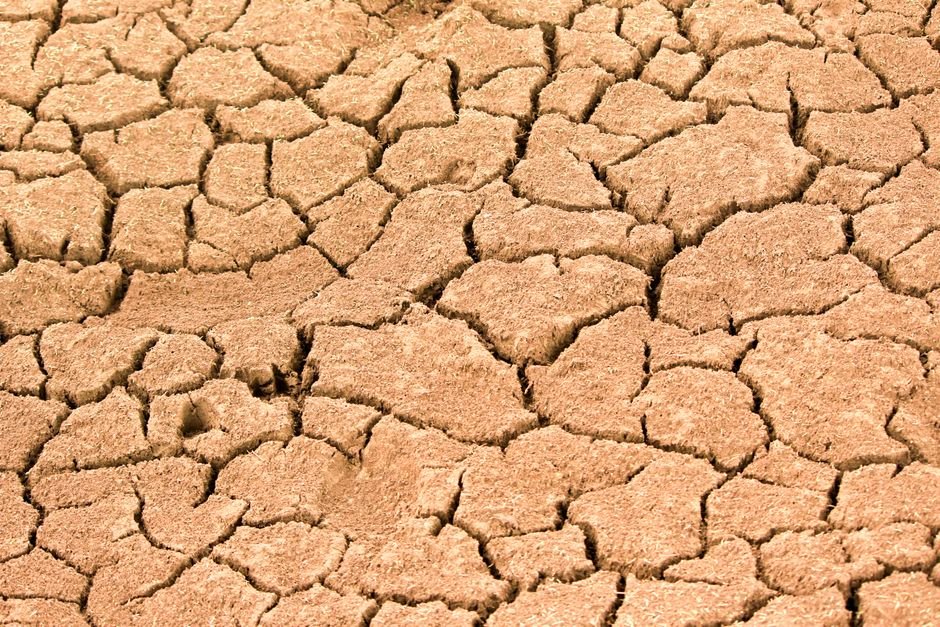
Hydration is one of the most discussed yet most misunderstood aspects of health. The internet is awash with both frightening claims (‘mild dehydration destroys your kidneys’) and dismissive ones (‘just drink when you’re thirsty, that’s all you need’). Neither extreme reflects the nuanced evidence. Optimal hydration — neither chronic under-hydration nor excessive water consumption — genuinely influences physical performance, cognitive function, kidney health, skin quality, digestive function, and cardiovascular efficiency in ways that are well-documented and practically actionable.
Common Dehydration Myths Debunked
Myth 1: You Need 8 Glasses of Water Per Day
The ‘8×8 rule’ (eight 8-ounce glasses = approximately 2 litres of plain water daily) has been traced to a 1945 US Food and Nutrition Board recommendation that was misquoted and amplified over decades. The original text noted ‘most of this quantity is contained in prepared foods.’ A comprehensive 2002 review in the American Journal of Physiology found no scientific evidence supporting this specific prescription. Optimal intake is highly individual, varies significantly with climate, activity, and diet, and for most people is best guided by urine colour and thirst.
Myth 2: Coffee Dehydrates You
Despite widespread belief, moderate coffee consumption (up to 4 cups daily) does not produce net dehydration. The mild diuretic effect of caffeine is smaller than the fluid volume in the beverage — net hydration from caffeinated coffee is positive. Regular caffeine consumers develop tolerance to the diuretic effect within 3-5 days, making this concern even less relevant for habitual coffee drinkers.
Myth 3: Dark Urine Always Means Dehydration
Dark urine is the most widely cited dehydration sign and is indeed a useful indicator — but it has other causes: certain vitamins (B2 riboflavin produces bright yellow urine), beetroot (produces red urine), certain medications, and foods containing natural pigments. Assessing urine colour in the context of fluid intake and other symptoms is more informative than urine colour alone.
Myth 4: Thirst Means You Are Already Significantly Dehydrated
This claim — that thirst indicates 2% dehydration — is frequently repeated but overstated. The thirst mechanism is exquisitely sensitive: it activates at approximately 0.5-1% osmolality increase (a very minor change), long before significant dehydration develops. In healthy adults, drinking to thirst is an accurate guide to hydration maintenance. The exceptions: elderly adults (thirst sensitivity declines with age), athletes during intense exercise (thirst may lag behind sweat losses in extreme heat), and people in very hot environments.
Signs of Dehydration Most People Miss
Early Warning Signs (1-2% Dehydration)
- Headache: The brain is 73% water and surrounded by cerebrospinal fluid — even mild dehydration produces meningeal tension changes that trigger headache. Dehydration headaches are one of the most common types and resolve within 30-60 minutes of adequate rehydration.
- Difficulty concentrating: Multiple studies demonstrate measurable cognitive impairment at 1-2% dehydration — reduced attention, slower reaction time, and impaired short-term memory. The effect is most pronounced in tasks requiring sustained attention.
- Bad breath: Saliva has antimicrobial properties — reduced salivary flow with dehydration allows bacterial overgrowth in the mouth, producing halitosis disproportionate to oral hygiene.
- Constipation: The large intestine reabsorbs water from stool — inadequate total body hydration causes harder, drier stools and reduced motility.
- Muscle cramps: Dehydration combined with electrolyte imbalance (particularly sodium and potassium loss from sweating) drives muscle cramping during and after exercise.
Signs Specific to Chronic Low-Grade Dehydration
- Persistent fatigue despite adequate sleep
- Dry skin with reduced elasticity (skin turgor test — pinch the back of the hand; dehydrated skin snaps back slowly)
- Reduced urine output (below 6 urinations per day)
- Reduced tear production — dry, irritated eyes
- Joint pain (synovial fluid in joints is water-based; chronic dehydration reduces joint lubrication)
What Chronic Dehydration Does to Your Body
Kidney Stress and Stone Formation
The kidneys require adequate water to dilute waste products and excrete them in urine. Chronic low-grade dehydration concentrates urine, increasing the crystallisation of calcium oxalate, uric acid, and other compounds that form kidney stones. People who have had kidney stones are typically advised to drink enough water to produce at least 2.5 litres of urine daily. Adequate hydration is the single most important kidney stone prevention strategy.
Impaired Physical Performance
Even 2% dehydration (1.4kg for a 70kg person) measurably reduces endurance exercise performance by 10-20% and strength/power by 3-5%. The mechanisms: reduced blood volume (increasing cardiac workload), impaired thermoregulation (sweating efficiency reduces), and increased perceived exertion at identical workloads. Hydrating adequately before, during, and after exercise is one of the highest-impact free performance interventions available.
Cardiovascular Strain
Blood is approximately 90% water — reduced plasma volume from dehydration increases blood viscosity, making the heart work harder to circulate it. In hot environments, severe dehydration can cause a significant drop in blood pressure and cardiac output. Even modest dehydration in hot climates is associated with increased risk of cardiovascular events in susceptible individuals.
How Much Water Do You Actually Need?
The most accurate personalised estimate: 30-35ml per kg of bodyweight per day from all fluid sources (food + beverages). For a 70kg person: 2.1-2.45 litres total daily. For a 90kg person: 2.7-3.15 litres.
Add approximately 500-750ml for each hour of moderate exercise, and 750ml-1 litre per hour of vigorous exercise in warm conditions. Add 500ml-1 litre for each degree of environmental temperature above 25°C during prolonged heat exposure.
The most practical daily indicator: urine colour. Pale yellow (like diluted lemonade) throughout the day indicates optimal hydration. Dark yellow (like apple juice) indicates inadequate intake. Clear indicates potential overhydration.
Optimal Hydration Strategies That Work
Front-Load Morning Hydration
The body loses approximately 300-500ml of water overnight through respiration and insensible perspiration. Beginning the day with 500ml of water before coffee or food restores this overnight deficit and activates gastric motility. This single habit — consistent morning water intake — is one of the most impactful hydration improvements for most people.
Drink Before Meals
Drinking 300-500ml water 20-30 minutes before meals provides structured daily hydration opportunities, and evidence shows pre-meal water intake reduces caloric consumption by approximately 13% by creating gastric volume that contributes to satiety signalling.
Electrolytes Matter During and After Exercise
Plain water is appropriate for hydration during exercise under 60 minutes. For longer or more intense exercise (particularly in heat), electrolyte replacement (sodium, potassium, magnesium) alongside water is necessary. Drinking large amounts of plain water during extended exercise without electrolyte replacement can cause hyponatraemia (dangerously low blood sodium) — a risk particularly relevant to endurance athletes in the heat.
Eat Water-Rich Foods
20-30% of daily fluid intake comes from food. Fruits and vegetables with the highest water content: cucumber (96%), lettuce (96%), celery (95%), tomato (94%), watermelon (92%), strawberries (91%), and orange (87%). A diet rich in fresh fruits and vegetables meaningfully contributes to daily fluid intake without conscious tracking.
Frequently Asked Questions
What are the first signs of dehydration?
The earliest reliable signs of dehydration in adults: slightly darker than pale yellow urine, mild thirst, reduced urine frequency, and a subtle sense of fatigue. Headache and difficulty concentrating appear at approximately 1-2% dehydration. More visible signs — significantly dark urine, dry mouth, reduced skin turgor — indicate more significant dehydration requiring prompt rehydration. The elderly may not experience thirst reliably and should monitor urine colour and output more actively.
Can you drink too much water?
Yes — water intoxication (hyponatraemia) from excessive plain water intake is possible, though rare in healthy people drinking to thirst. It occurs most commonly in endurance athletes drinking excessive plain water without sodium replacement, or in people with certain medical conditions (SIADH, heart failure, liver disease) that impair the kidney’s ability to excrete excess water. In healthy adults without these conditions, drinking to thirst prevents both dehydration and overhydration effectively.
Does dehydration cause weight gain?
Dehydration does not directly cause fat gain. However, mild dehydration can cause water retention as the body compensates for low hydration by holding water more aggressively — paradoxically, improving hydration often reduces water retention and scale weight. Dehydration also impairs exercise performance, indirectly reducing caloric expenditure, and can trigger hunger signals (the brain sometimes misinterprets thirst signals as hunger). Ensuring adequate hydration supports weight management indirectly through these mechanisms.
Subscribe Free →

Leave a Reply