

📋 Table of Contents
Few topics in nutrition have gone from obscure to omnipresent as fast as seed oils. Canola, sunflower, soybean, corn, and grapeseed oil, once unremarkable pantry staples, are now blamed by a large and vocal corner of the wellness internet for driving inflammation, obesity, heart disease, and nearly every other chronic condition. Restaurant-finder apps exist specifically to help people avoid establishments that cook with them. In 2026, the debate stopped being purely online: it reached the highest levels of U.S. food policy. So what does the actual clinical evidence say, separate from the algorithm-driven alarm?
What Are Seed Oils, Exactly?
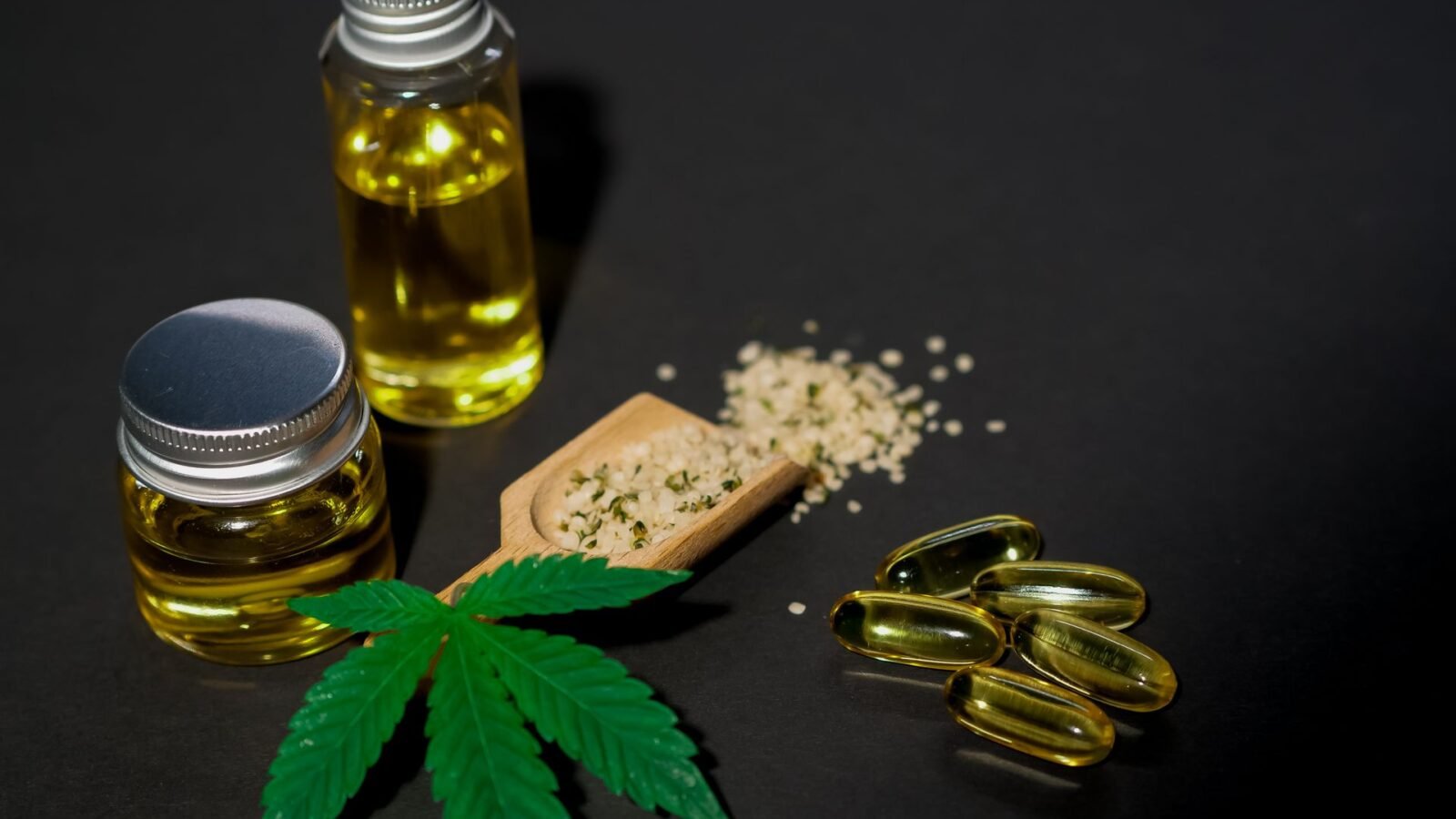
Seed oils are vegetable oils extracted from the seeds of plants rather than from fruit (like olive or avocado oil) or nuts. The most common ones in the American food supply are soybean, canola (rapeseed), sunflower, corn, cottonseed, grapeseed, and rice bran oil. They became dominant in processed and restaurant food in the mid-20th century largely because they are inexpensive to produce, have a neutral flavor, and hold up well at high cooking temperatures.
The Core Claim Against Seed Oils
The central argument made by seed oil critics is that these oils are unusually high in omega-6 linoleic acid, and that a diet skewed heavily toward omega-6 fats relative to omega-3 fats promotes chronic, low-grade inflammation throughout the body. The mechanistic story goes like this: linoleic acid can be converted in the body into arachidonic acid, and arachidonic acid is a precursor to certain inflammatory signaling molecules. From there, the argument extends to heart disease, obesity, and a long list of modern chronic conditions, with the rise in seed oil consumption over the 20th century cited as circumstantial evidence.
Buy seed oil on Amazon
What the Clinical Evidence Actually Shows
This is where the story gets more complicated for seed oil critics. When researchers have gone looking for the inflammatory effect predicted by the mechanistic theory, they have generally struggled to find it in actual human trials. A large 2025 study that measured blood biomarkers directly, rather than relying on self-reported diet surveys, found that higher blood levels of linoleic acid were associated with lower markers of inflammation and better cardiometabolic health, not worse. A separate scoping review of the clinical and observational literature concluded that concerns about seed oils causing inflammation lack a solid scientific foundation, noting that the assumption that arachidonic acid derivatives are uniformly pro-inflammatory has required significant revision as more evidence has accumulated.
Major medical and scientific institutions have largely converged on a similar position. Reviews citing Harvard, Stanford, Johns Hopkins, the American Heart Association, the Cleveland Clinic, and the British Heart Foundation have consistently found the evidence for seed-oil-driven inflammation to be weak, and multiple large meta-analyses, including one from Harvard researchers spanning more than 800,000 participants across dozens of studies, have not supported the theory that seed oil consumption raises cardiovascular risk. If anything, the strongest and most consistent evidence base points the other direction: replacing saturated fat (like butter or beef tallow) with polyunsaturated fats from seed oils tends to lower LDL cholesterol, a well-established risk factor for heart disease.

Cooking fats sit on a spectrum, not in strict good-versus-bad categories. Photo: Pexels
Why 2026 Has Been a Turning Point
What makes this moment different from prior nutrition debates is how far the seed oil skepticism has moved from internet fringe to institutional policy. U.S. Health and Human Services Secretary Robert F. Kennedy Jr. has repeatedly singled out canola, corn, soybean, sunflower, cottonseed, and grapeseed oils as among the most harmful components of the American diet. The January 2026 update to the U.S. Dietary Guidelines drew criticism from nutrition scientists for reportedly setting aside substantial portions of the scientific advisory committee’s prior recommendations, and for listing butter and beef tallow alongside olive oil as acceptable cooking fats. Food companies have responded to the shifting political and consumer climate: several major chains and packaged food brands have announced plans to reformulate products away from seed oils toward alternatives like beef tallow, even as many clinical nutritionists have pointed out that this shift runs counter to the cardiovascular evidence, since replacing polyunsaturated fat with saturated fat is generally associated with worse, not better, cholesterol profiles.
Moringa Oil for Hair: Real Benefits and How to Use It Correctly
How Seed Oils Became Dominant in the First Place
Understanding why seed oils are so ubiquitous helps explain why the backlash has been so intense. Before the early 20th century, American cooking fats were dominated by animal-based options: lard, tallow, and butter. The invention of industrial seed-oil extraction and hydrogenation processes, combined with a mid-century public health push to reduce saturated fat intake for heart health, drove a rapid substitution toward vegetable oils in home cooking, restaurants, and packaged food manufacturing. By the latter half of the century, seed oils had become the default fat in everything from salad dressing to fried food to baked goods, largely because they were cheaper to produce at scale, shelf-stable, and, at the time, actively recommended by cardiology guidelines as a heart-healthier alternative to saturated animal fats. That guidance itself has become part of the current controversy, since some critics argue the mid-century shift away from saturated fat was itself based on flawed or incomplete science, a genuinely contested question among nutrition historians, even though it’s a separate question from whether seed oils specifically cause inflammation.
Where the Critics Have a Point
None of this means every criticism of seed oils is baseless. There are a few areas where the concerns have more substance:
- Ultra-processing, not the oil itself. Seed oils are disproportionately found in ultra-processed foods, and it’s genuinely difficult in observational research to fully separate “harm from the oil” from “harm from the broader ultra-processed food matrix” it’s usually part of.
- Repeated high-heat reuse. Oils that are heated to high temperatures repeatedly, as in commercial deep fryers reused across many batches, can form oxidation byproducts that are genuinely worth limiting; this is a food-preparation concern more than an argument against the oil itself in normal home cooking.
- Overall dietary balance still matters. Even researchers who find no inflammatory harm from seed oils generally still recommend a diet with a reasonable mix of fat sources, including omega-3-rich foods like fatty fish, rather than any single oil dominating total fat intake.
- Omega-6 to omega-3 ratio, in isolation, is a genuinely debated topic. While the strongest current evidence doesn’t support the specific inflammation claim, some researchers still consider the broader question of whether modern diets have become too skewed toward omega-6 relative to omega-3 fats worth continued study, distinct from the narrower and more thoroughly debunked claim that seed oils are acutely inflammatory or toxic.
High-quality olive oil and avocado oil for everyday cooking and finishing dishes.
How to Think About Seed Oils in Your Own Kitchen
For most people, the practical takeaway from the current evidence is that seed oils used in normal home cooking are not the dietary villain the loudest corners of social media suggest, and swapping them wholesale for saturated fats like tallow is not clearly supported by the cardiovascular evidence either. A reasonable, evidence-aligned approach is to use a variety of fats depending on the cooking method: olive oil for lower-heat cooking and dressings, a neutral seed oil like avocado or canola for higher-heat searing, and to focus overall dietary effort on the factors with much stronger evidence behind them, like overall diet quality, fiber intake, added sugar, and minimizing ultra-processed food generally, rather than any single oil.
Frequently Asked Questions
Do seed oils cause inflammation?
Large clinical and observational studies, including ones that directly measure blood biomarkers rather than relying on diet surveys, have generally not found evidence that seed oils increase inflammation in humans. Major medical institutions including Harvard, the American Heart Association, and the British Heart Foundation have reached similar conclusions.
Is butter or beef tallow healthier than seed oils?
The cardiovascular evidence generally points the other way: replacing saturated fats like butter and tallow with polyunsaturated fats from seed oils tends to lower LDL cholesterol, a well-established heart disease risk factor. Some current U.S. dietary policy has moved toward treating these fats as more interchangeable, which a number of nutrition scientists have publicly disputed.
Should I avoid fried food cooked in seed oils?
The bigger concern with fried food is usually the overall pattern (frequency, portion size, and the food being fried) and oils that have been reheated many times at high temperatures, which can form harmful oxidation byproducts, rather than seed oils used normally at home.
Why did the 2026 U.S. Dietary Guidelines change how they treat seed oils?
The updated guidelines drew significant criticism from nutrition scientists for reportedly departing from portions of the scientific advisory committee’s evidence-based recommendations and listing butter and beef tallow alongside olive oil as acceptable fats. Critics note this shift isn’t clearly supported by the cardiovascular evidence on saturated versus polyunsaturated fat.
References:



Leave a Reply