

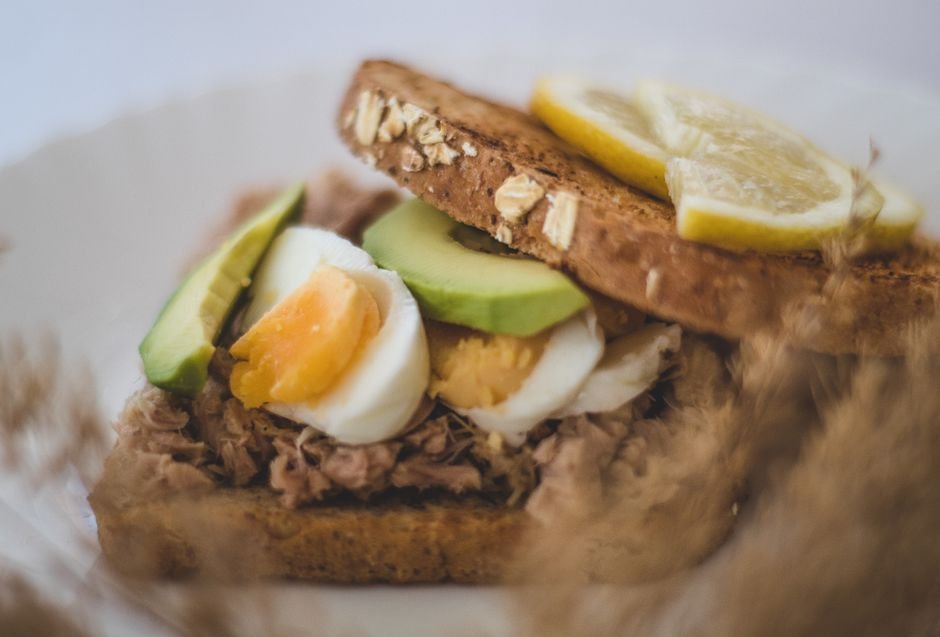
A high-protein breakfast reduces ghrelin, increases satiety hormones, and stabilises blood sugar for hours. Research in the American Journal of Clinical Nutrition found 35g protein at breakfast reduced daily calorie intake by over 400 calories compared to a low-protein meal.
Why Protein at Breakfast Matters
Most people front-load carbohydrates and wonder why they’re hungry by 10am. Refined carbs trigger rapid insulin spikes followed by blood sugar crashes activating hunger within 90 minutes. Protein has a 25-30% thermic effect and produces satiety for 3-5 hours.

The 15 Best High-Protein Breakfast Foods
1. Eggs — 6g per egg
All nine essential amino acids plus choline, vitamin D, and fat-soluble vitamins. Studies consistently show egg breakfasts produce greater satiety than grain-based alternatives. Two to three eggs provides 12-18g complete protein.
2. Greek Yogurt — 15-20g per 200g
Strained to concentrate protein, providing gut-supporting probiotics and calcium. Always choose plain — flavoured versions contain 15-20g added sugar.
3. Cottage Cheese — 14g per 100g
One cup provides approximately 25g of casein protein with amino acid release over 5-7 hours. Works sweet (berries, honey) or savoury (tomatoes, herbs).
4. Smoked Salmon — 20g per 100g
Protein plus EPA and DHA omega-3s. Two slices with scrambled eggs creates 30g+ protein and 1.5g+ omega-3s.
5. Whey Protein Powder — 20-25g per scoop
Most rapidly absorbed protein — ideal post-workout. One scoop in oats or a smoothie adds complete protein without preparation time.
6. Tempeh — 15g per 100g
Fermented soy provides superior digestibility, bioavailable protein, and gut-supporting probiotics.
7. Edamame — 11g per 100g
Microwaved from frozen in minutes, a cup provides 17g complete plant protein with fibre, folate, and iron.
8. Kefir — 8-11g per 240ml
Contains 30+ probiotic strains versus yogurt’s typical 2-5. Add to smoothies for protein and exceptional gut health support.
9. Quinoa — 8g per cooked cup
One of the only plant-based complete proteins. A breakfast bowl with nuts and berries provides substantial protein and fibre.
10. Hemp Seeds — 10g per 30g
Most complete plant protein per gram. Three tablespoons over yogurt or oats adds 10g protein with no preparation effort.
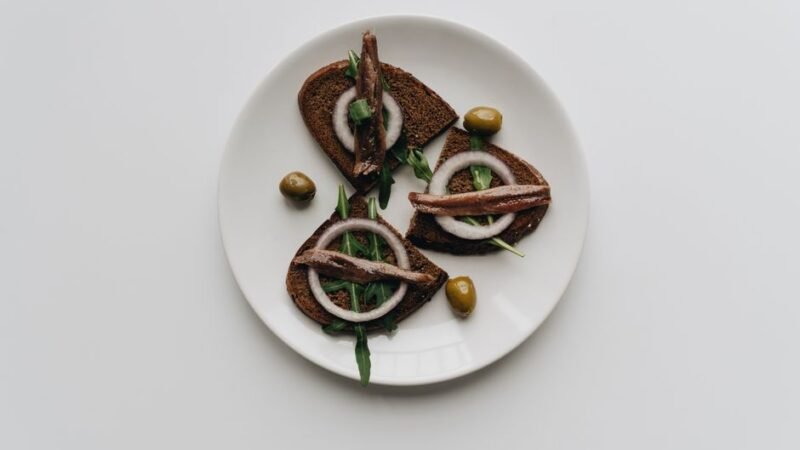
11. Canned Sardines or Tuna — 20-25g per 100g
The most protein-dense, omega-3-rich food available. On seeded crackers with avocado — genuinely superior to conventional breakfast choices.
12. Turkey or Chicken Breast — 25g per 100g
A 150g serving delivers 35-40g lean protein — significantly outperforming any grain-based breakfast nutritionally.
13. Chia Pudding — up to 25g combined
Overnight chia pudding with Greek yogurt and milk reaches 20-25g protein while adding 10g fibre and omega-3 ALA. Prepare the night before.
14. Black Beans — 8.9g per 100g cooked
In a breakfast burrito or egg bowl, adds protein, fibre, and slow-release carbohydrates that stabilise blood sugar for hours.
15. Pumpkin Seeds — 9g per 30g
Adds protein alongside magnesium, zinc, and iron. Particularly valuable for those who exercise regularly — supports recovery and immune function.
How Much Protein Do You Need at Breakfast?
Research suggests a minimum of 30g per meal to maximally stimulate muscle protein synthesis. For general health, aim for 25-40g. For athletes and those building muscle, 40g+ is appropriate.
Quick High-Protein Breakfast Combinations
- Under 5 minutes: 3 scrambled eggs + 200g Greek yogurt = 38g protein
- Under 10 minutes: Overnight chia pudding + hemp seeds + cottage cheese = 32g protein
- Meal prep: Hard-boiled eggs + smoked salmon + avocado = 35g protein
Frequently Asked Questions
How much protein should I eat at breakfast?
Research suggests 25-40g at breakfast maximally stimulates muscle protein synthesis. Most people eating standard Western breakfasts consume fewer than 15g — far below the threshold for meaningful metabolic benefit.
Is eating eggs every day safe?
Current evidence supports eating whole eggs daily for most healthy adults. Large prospective studies find no association between egg consumption and cardiovascular disease in healthy individuals.
What is the best high-protein breakfast for weight loss?
Two to three eggs with Greek yogurt and berries, or a cottage cheese bowl with seeds and cucumber — combining protein with fibre produces the greatest satiety per calorie.
Subscribe Free →

Leave a Reply