

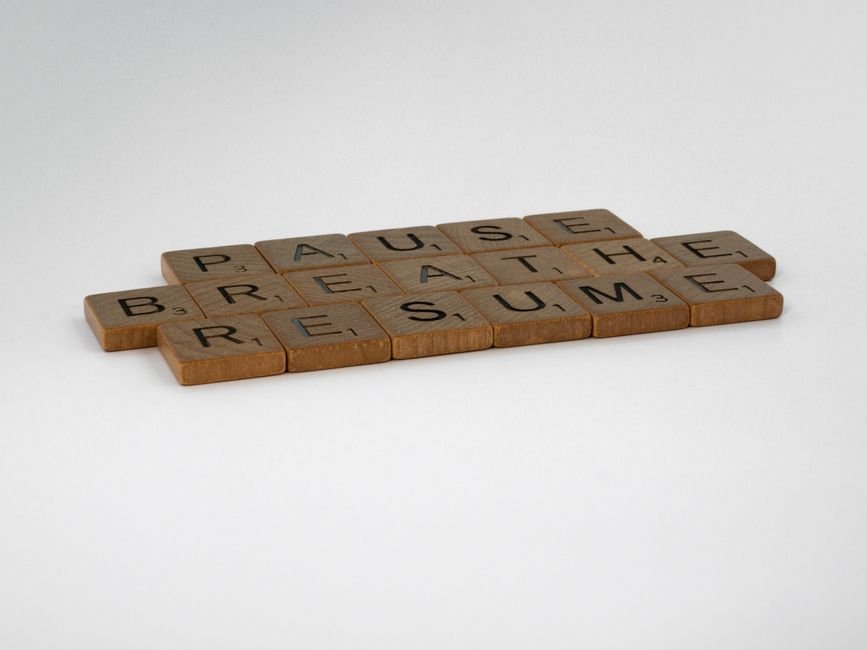
The 4-7-8 breathing technique, popularized by Dr. Andrew Weil and rooted in yogic pranayama practices, is a simple, structured breathing pattern that has gained genuine research interest for its calming physiological effects.
What Is the 4-7-8 Breathing Technique?
The technique follows a specific ratio: inhale quietly through the nose for a count of 4, hold the breath for a count of 7, then exhale completely through the mouth for a count of 8. This cycle is typically repeated for 4 rounds, particularly when used for sleep or acute anxiety relief.
How the Technique Works Physiologically
Extended exhalation relative to inhalation activates the parasympathetic nervous system — the body’s ‘rest and digest’ branch — which counteracts the sympathetic ‘fight or flight’ stress response. The breath-holding phase also allows for a brief buildup of carbon dioxide, which some research suggests may contribute to a calming effect on the nervous system when done in a controlled, comfortable manner.
Evidence-Based Benefits
Reduced Anxiety and Acute Stress
Controlled breathing techniques, including 4-7-8, have been shown in several studies to lower heart rate and self-reported anxiety within minutes of practice, making it a useful acute stress-management tool.
Improved Sleep Onset
By calming the nervous system before bed, many people find 4-7-8 breathing helps reduce the mental racing that delays sleep onset, complementing other sleep hygiene practices.
Lower Blood Pressure
Slow, controlled breathing patterns have modest, well-documented blood pressure-lowering effects during and shortly after practice, related to the parasympathetic activation described above.
How to Practice 4-7-8 Breathing
- Sit or lie in a comfortable position
- Exhale completely through your mouth, making a whoosh sound
- Close your mouth and inhale quietly through your nose for a count of 4
- Hold your breath for a count of 7
- Exhale completely through your mouth for a count of 8
- Repeat for 3-4 cycles, especially when starting out
Precautions
Some people feel lightheaded when first practicing, particularly with the extended breath hold, so starting with fewer cycles and building up gradually is sensible. People with respiratory conditions like COPD or severe asthma should consult a doctor before adopting breath-holding techniques.
Frequently Asked Questions
How quickly does 4-7-8 breathing work for anxiety?
Many people notice a calming effect within a few minutes, sometimes after just one to two cycles, due to the rapid activation of the parasympathetic nervous system from extended exhalation. Regular practice over weeks may also build a more general baseline reduction in stress reactivity.
Can 4-7-8 breathing help me fall asleep faster?
Many people report this benefit, and the technique’s calming physiological effects are consistent with improved sleep onset. It works best as part of a broader wind-down routine rather than a standalone solution for significant sleep problems.
Is it safe to practice 4-7-8 breathing every day?
Yes, for most healthy people, daily practice is considered safe and is how the technique is often recommended for building cumulative stress-resilience benefits. People with respiratory conditions should check with a doctor before starting any breath-holding practice.
Subscribe Free →

Leave a Reply