

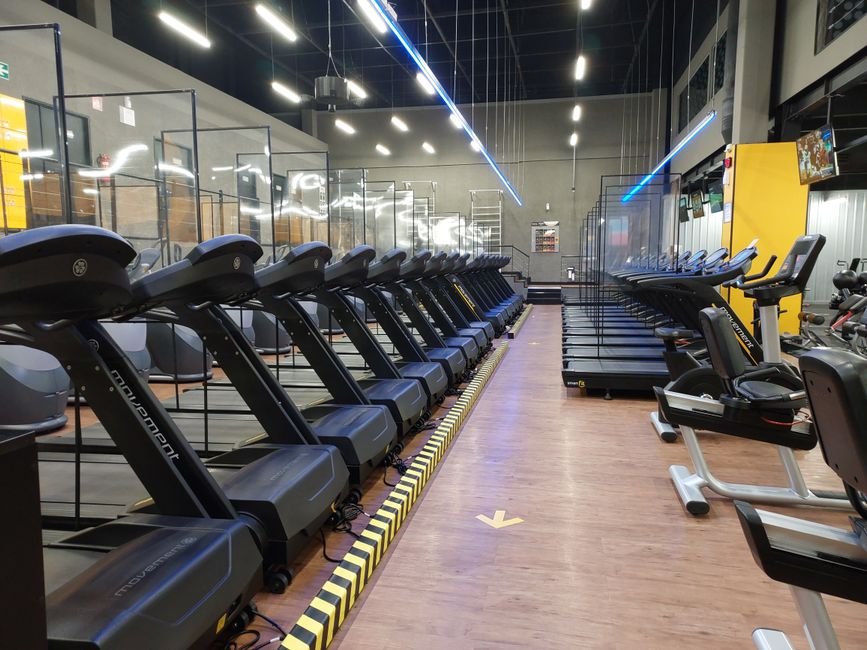
A home treadmill is one of the most significant fitness investments most people make — combining high cost, large space requirement, and the optimistic assumption that daily use will follow. The reality: a large percentage of home treadmills become expensive laundry racks within 6-12 months of purchase. Making the right choice requires honest self-assessment alongside technical understanding of what differentiates a quality machine from a dangerous or uncomfortable one.
This guide is specifically calibrated to the Indian market — considering Indian power supply characteristics, typical Indian home dimensions, budget realities, and the specific performance requirements of Indian users across fitness levels.
Do You Actually Need a Home Treadmill?
Honestly assess whether a treadmill suits your specific situation before investing:
A home treadmill makes sense if: you work long hours and cannot reliably access outdoor space or a gym; your local outdoor walking/running area is unsafe, polluted, or weather-compromised year-round; you have medical conditions requiring controlled exercise (post-cardiac event, rehabilitation); you are a serious runner training for events; or you have successfully used gym treadmills consistently for 6+ months.
Consider alternatives if: you are just beginning an exercise routine (the simplest equipment is often used most consistently); you live near safe walking areas; you have a gym nearby; or your motivation for purchase is primarily optimistic rather than based on established exercise habit.
Types of Treadmills for Home Use
Manual Treadmills
Powered by your own foot movement — no motor, no electricity. Price range in India: ₹5,000-25,000. Advantages: no electricity cost, quiet, portable, zero maintenance. Disadvantages: requires significant user effort to maintain speed (tiring), cannot reach running speeds, belt often has uncomfortable resistance. Verdict: suitable only for very light walking — not appropriate for fitness goals beyond basic movement.
Motorised Treadmills (Most Home Users)
Electric motor drives the belt at set speed. Most home treadmills in the ₹25,000-2,00,000 range fall into this category. The motor power, belt size, cushioning, and weight capacity define quality within this range dramatically.
Commercial-Grade Treadmills
Built for gym-level durability — 8+ hour daily use, heavier frames, more powerful motors. Price: ₹2,00,000-10,00,000+. Appropriate for serious athletes or households with multiple daily users. Generally unnecessary and disproportionately expensive for typical home use.
Key Features to Evaluate
Belt Size — Most Important for Runners
Walking comfortably requires a belt width of at least 45cm. Running requires a minimum of 50cm width and 140cm length — shorter belts cause unnatural gait as runners are forced to shorten stride. The most common complaint from budget treadmill buyers is that the belt is uncomfortably narrow or short. Never compromise on belt size for budget — it directly determines whether you will actually use the machine.
Incline Range
Motorised incline (rather than manual adjustment requiring you to stop) is a significant quality-of-life feature. A 0-12% incline range covers all practical training scenarios. Incline training burns 50-100% more calories than flat walking at equivalent speeds — making it the most efficient time-use feature on any treadmill.
Cushioning System
Impact force on treadmill running is similar to road running — approximately 2-3 times bodyweight with each foot strike. Good cushioning (multi-layer rubber or air-cell systems) significantly reduces joint stress in the knees, hips, and lower back — important for long-term joint health and comfortable daily use. Budget treadmills often have minimal cushioning; this is a significant compromise for anyone with existing joint issues or running more than 30 minutes per session.
Safety Features
Emergency stop clip (safety key) is non-negotiable — it attaches to clothing and automatically stops the belt if you fall. Many budget models include this; check it functions properly before purchase. Handrails should be sturdy and reachable without requiring unnatural posture.
Understanding Motor Power
Treadmill motor power is measured in HP (continuous duty horsepower). Marketing often displays peak HP — which is not the relevant specification. Always look for CHP (continuous horsepower):
- 1.5-2.0 CHP: Adequate for walking up to 6 kmph — appropriate only for light walkers under 80kg
- 2.0-2.5 CHP: Suitable for walking and light jogging — most users below 90kg
- 2.5-3.0 CHP: Suitable for continuous running — recommended for regular runners
- 3.0+ CHP: For serious runners and higher body weights — required for sustained running above 10 kmph
Undersized motors overheat during sustained use, causing premature failure and voiding warranties. A 2.0 CHP motor running a 90kg person at jogging speed will consistently overheat — significantly reducing motor lifespan.
Space and Folding Considerations for Indian Homes
A standard treadmill requires approximately 180cm × 80cm floor space, plus 60-70cm behind the machine for safety. Most Indian homes cannot dedicate this permanently. Folding treadmills reduce storage footprint by 40-50% when folded — an important practical consideration. Check the folded dimensions (not just the unfolded dimensions) against your available storage space. The folding mechanism should be hydraulic (smooth, controlled lowering) rather than manual collapse.
Price Ranges and Recommendations for India (2024)
| Budget | Suitable For | What to Expect |
|---|---|---|
| ₹25,000-50,000 | Light walking only | 1.5-2.0 CHP, narrow belt, minimal cushioning |
| ₹50,000-80,000 | Walking + light jogging | 2.0-2.5 CHP, adequate belt, basic cushioning |
| ₹80,000-1,50,000 | Regular running | 2.5-3.0 CHP, wider belt, good cushioning, reliable warranty |
| ₹1,50,000+ | Serious/daily runners | 3.0+ CHP, commercial-adjacent quality, entertainment features |
Treadmill Maintenance: Protecting Your Investment
A home treadmill requires regular maintenance to avoid premature failure. Neglected maintenance — not defective manufacturing — is the primary cause of early treadmill breakdown.
Essential Maintenance Schedule
- Every 3-6 months: Lubricate the belt with silicone treadmill lubricant (never WD-40). Lift the belt centre and apply lubricant underneath. Inadequate lubrication is the most common cause of motor burnout.
- Monthly: Check belt tension — the belt should lift approximately 5-7cm in the centre when the machine is off.
- After every use: Wipe down belt, handrails, and console. Sweat contains salt that corrodes electronics over time.
- Every 6 months: Vacuum the motor compartment — accumulated dust is a fire risk and reduces motor cooling efficiency.
Honest Alternatives to Consider
Before committing to a significant treadmill investment, compare alternatives honestly:
- Skipping rope (₹300-500): Burns equivalent calories to running at 12 km/h. Requires 1 square metre of space.
- Quality gym membership (₹500-2,000/month): Commercial-grade equipment without purchase, maintenance, and space burden.
- Stationary cycle (₹8,000-25,000): Lower impact, quieter, more compact, better for knee concerns.
The treadmill is right when: consistent outdoor running is genuinely impractical, you have an established running habit, and you have a realistic budget of at least ₹60,000-80,000. Below this, the alternatives typically provide better value. See our bodyweight exercise guide for equipment-free fitness alternatives.
Frequently Asked Questions
Which treadmill brand is best in India?
Reputable treadmill brands available in India with good service networks include: PowerMax Fitness (good value mid-range), Fitkit (budget to mid-range), Durafit (mid-range), and international brands like Sole, NordicTrack, and Life Fitness (premium). Always verify the service centre network in your city before purchasing — a treadmill requiring repair that has no nearby service support is a major problem.
How many kg weight can a home treadmill hold?
Budget treadmills (under ₹50,000) are typically rated for 90-100kg maximum user weight. Mid-range models support 110-120kg. Premium models support 130-150kg. Always choose a treadmill rated for at least 20kg above your current weight — running places 2-3x bodyweight stress on the machine, and operating near the maximum rated weight significantly reduces motor and frame lifespan.
Is a home treadmill worth buying in India?
A home treadmill is worth buying if you have a consistent exercise habit, adequate space (minimum 200 × 90cm), and a realistic budget (minimum ₹60,000-80,000 for a machine suitable for regular jogging). Below this budget, you are likely to buy a machine with an underpowered motor that fails within 1-2 years of regular use. If budget is constrained, a quality skipping rope (₹500), resistance bands (₹1,500), and consistent outdoor walking provide better return on investment than a budget treadmill.
Subscribe Free →



Leave a Reply