

📋 Table of Contents
Contrast therapy, alternating between hot exposure (sauna, hot bath, steam room) and cold exposure (cold plunge, cold shower, ice bath), is nothing new as a recovery practice, but industry trend reports have flagged it as one of the wellness practices set to take center stage in 2026. Unlike some viral wellness trends, contrast therapy sits on a foundation of real, measurable physiology, even though some of the more dramatic claims circulating online outpace what the evidence currently supports.
What Is Contrast Therapy?
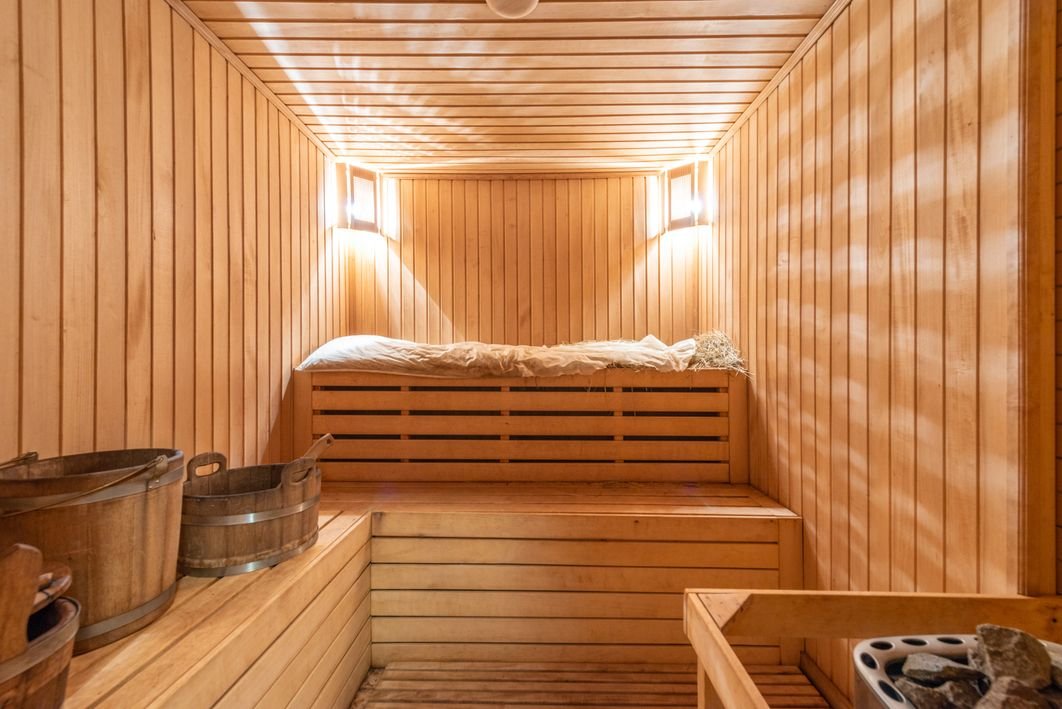
Contrast therapy involves deliberately alternating between heat and cold exposure, typically ending on cold, in a single session. A common protocol might involve 10 to 15 minutes in a sauna followed by one to three minutes of cold plunge or cold shower, repeated for two or three rounds. The temperature swing is the point: it’s the rapid alternation between vasodilation (blood vessels widening under heat) and vasoconstriction (blood vessels narrowing under cold) that practitioners believe produces the practice’s benefits.
Why It’s Trending Heading Into 2026
Contrast therapy fits neatly into a broader 2026 wellness theme: nervous system regulation, delivered through concrete physical practices rather than vague stress-management advice. Wellness trend forecasts have specifically named it as a mainstream-bound practice, building on the popularity of standalone cold plunge and sauna use over the past several years. Recovery-focused fitness culture, high-end gyms adding contrast therapy suites, and increased consumer access to home sauna and cold plunge equipment have all lowered the barrier to trying it outside of a spa setting.
What’s Actually Happening in Your Body
Heat exposure raises heart rate and dilates blood vessels near the skin’s surface, increasing blood flow and triggering a mild, temporary stress response similar in some ways to light exercise. Cold exposure does close to the opposite: it triggers a strong sympathetic nervous system activation initially (the sharp intake of breath and racing heart most people experience getting into cold water), followed by a rebound parasympathetic response as the body settles. Alternating between the two repeatedly is thought to train the nervous system’s ability to shift between activation and recovery states more efficiently over time, similar to how repeated exercise trains cardiovascular fitness.

Ending a hot-cold cycle on cold exposure is the most common protocol. Photo: Pexels
What the Research Supports (and What It Doesn’t)
The evidence base is genuinely mixed depending on the specific claim. Cold water immersion has reasonably solid support for improving perceived recovery and reducing subjective muscle soreness after intense exercise. However, more recent research has complicated the picture for anyone specifically trying to build muscle: several studies have found that immersing muscles in near-freezing water shortly after resistance training can meaningfully reduce blood flow to those muscles and blunt the protein synthesis response that drives muscle growth, suggesting cold plunges taken immediately post-lift may work against hypertrophy goals even as they may reduce soreness. Sauna use, separately, has a reasonably strong observational evidence base linking regular use to improved cardiovascular markers and, in some long-term cohort studies, reduced cardiovascular mortality. The nervous-system-training claims specifically attached to alternating hot and cold together are the least rigorously studied piece of the practice; much of the popular narrative extrapolates from the separate heat and cold literatures rather than resting on trials of the combined contrast protocol itself.
Portable saunas, cold plunge tubs, and recovery tools for a home contrast therapy setup.
Common Protocols People Actually Use
There’s no single official contrast therapy protocol, since most of the popularized approaches originated in athletic training and Scandinavian sauna culture rather than from a specific clinical trial design, but a few patterns show up repeatedly among people who practice it regularly. A common recreational approach involves three rounds of roughly 12–15 minutes in a sauna followed by 1–2 minutes of cold plunge, finishing on cold, with the entire session taking around 45 minutes to an hour. Athletes recovering from intense training sometimes use a shorter, more frequent version, alternating in 3–5 minute blocks for a total session of 15–20 minutes. Scandinavian sauna culture, which has directly influenced much of the current Western trend, traditionally treats the practice as a social and relaxation ritual as much as a physical one, often done in groups and paired with rest periods between rounds rather than rushing straight from heat to cold. Whichever version you choose, most practitioners and the limited research available agree that finishing on cold exposure, rather than ending on heat, is the more common and generally recommended sequence, partly because the cold exposure’s alerting effect can otherwise interfere with winding down for sleep if done at night.
How to Try Contrast Therapy Safely
- Start with heat, end with cold. A typical structure is 10–15 minutes of heat, then 1–3 minutes of cold, repeated for two to three rounds, always finishing on the cold exposure.
- Keep cold exposure brief at first. Even 30–60 seconds of genuinely cold water is enough to trigger the physiological response; there’s no strong evidence that longer cold exposure produces proportionally greater benefit, and longer exposure meaningfully raises the risk of excessive core temperature drop.
- If your goal is muscle growth, separate cold exposure from lifting. Given the research on blunted muscle protein synthesis, consider doing cold exposure on non-lifting days or several hours away from a resistance training session rather than immediately afterward.
- Never do cold plunges alone if you’re new to them, and always have a way to warm back up afterward, since the risk of an exaggerated response (like a sudden blood pressure drop) is highest during initial exposures.
Who Should Be Cautious
Cold water immersion places real, measurable stress on the cardiovascular system, including a sharp initial spike in heart rate and blood pressure. People with cardiovascular disease, uncontrolled high blood pressure, or a history of heart arrhythmias should talk to a doctor before starting cold exposure. Cold plunges also carry a documented risk of cold shock response and, in rare cases, cardiac events, particularly with sudden immersion in very cold open water without a controlled, gradual approach. Sauna use should be approached cautiously by anyone who is pregnant or has uncontrolled blood pressure, given the significant fluid loss and cardiovascular demand of extended heat exposure.
It’s also worth building tolerance gradually rather than jumping straight into an aggressive protocol. First-time cold plunge users commonly underestimate how disorienting the initial shock response can feel, including a strong urge to hyperventilate, which is a normal but startling reaction that generally passes within 30 to 60 seconds as the body adjusts. Practicing controlled breathing before entering cold water, and building up exposure time gradually over several sessions rather than attempting a long cold plunge on day one, is a widely recommended approach among experienced cold exposure practitioners and reduces the likelihood of a panicked reaction. Similarly, anyone new to sauna use should start with shorter sessions at moderate temperatures and prioritize adequate hydration before and after, since dehydration significantly increases the cardiovascular strain of heat exposure and is one of the more common reasons people feel unwell during or after a sauna session.
Frequently Asked Questions
Is contrast therapy better than just a sauna or just a cold plunge?
There isn’t strong direct evidence that alternating hot and cold produces meaningfully greater benefits than either practice alone; most of the research base covers heat and cold exposure separately. Contrast therapy is reasonable to try, but shouldn’t be assumed to be strictly superior based on current evidence.
Should I do a cold plunge right after lifting weights?
If muscle growth is a primary goal, it may be worth avoiding cold water immersion immediately after resistance training, since some research has found it can blunt the muscle-building response, likely due to reduced blood flow to the muscle during the recovery window.
How cold does the water need to be for cold plunge benefits?
Most protocols in the research use water in the roughly 50–59°F (10–15°C) range, though there’s no single agreed-upon threshold. What matters most is that the water feels genuinely cold and uncomfortable, not merely cool.
How often should I do contrast therapy for it to make a difference?
There’s no firmly established optimal frequency from the research, but many people who practice it regularly do so two to four times a week. As with most recovery practices, consistency over time appears to matter more than any single session, though robust long-term trials specifically on frequency are still limited.
References:


Leave a Reply