

📋 Table of Contents
“Neurowellness” was named the top trend at the Global Wellness Summit heading into 2026, defined broadly as the use of measurable practices and tools to regulate the nervous system rather than simply “managing stress” in the abstract. It represents a shift from vague self-care advice toward more specific, trackable nervous system practices — though, as with most wellness trends, it’s worth separating the solid science from the marketing.
What Is Neurowellness?
At its core, neurowellness refers to intentionally training the autonomic nervous system — the sympathetic (“fight or flight”) and parasympathetic (“rest and digest”) branches — using specific, repeatable practices, often paired with biofeedback or wearable data to track progress. It draws on established fields like heart rate variability research, polyvagal theory, and stress physiology, packaging them into daily practices people can build a routine around.
Why It’s the Top Wellness Trend
Modern life keeps many people in a low-grade, sustained stress state — frequent notifications, always-on work culture, and constant context-switching all activate the sympathetic nervous system without a clear resolution. Wearables that track heart rate variability, sleep stages, and stress scores have made this pattern newly visible to consumers, creating demand for concrete tools to address it, rather than generic advice to “relax more.”
The Core Pillars of Neurowellness
- Breathwork — structured breathing patterns (like extended exhales or box breathing) that directly influence the vagus nerve and heart rate.
- Cold and heat exposure — brief, controlled temperature stress (cold plunges, contrast showers, sauna) used to build stress resilience through controlled, repeated exposure.
- Somatic practices — body-based techniques like gentle shaking, stretching, or progressive muscle relaxation that help discharge physical tension.
- Sleep and circadian alignment — consistent sleep-wake timing and light exposure, which regulate the nervous system indirectly by supporting hormone rhythms.
- Biofeedback — using heart rate variability or similar data to observe how the body responds to stress and recovery practices in real time.

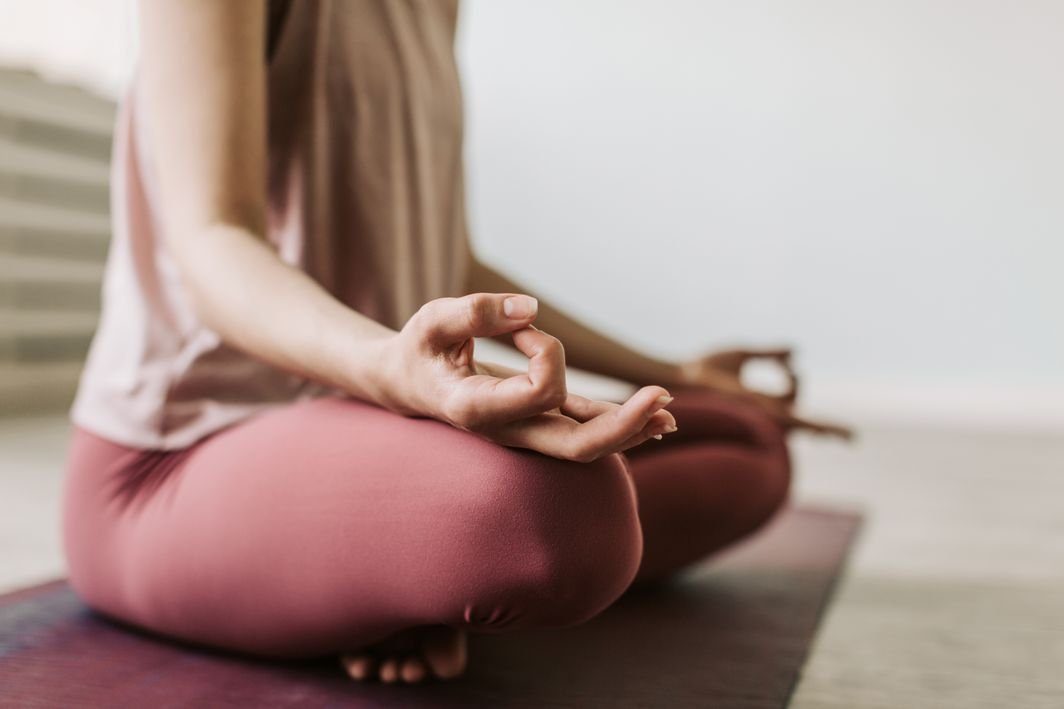
Neurowellness draws on established practices like breathwork and mindful movement, packaged into trackable daily routines. Photo: Pexels
How to Start Training Your Nervous System
Rather than adopting every trending tool at once, most practitioners recommend starting with one or two consistent daily practices:
- Pick one breathing practice (like 4-count inhale, 6-count exhale) and do it for 3–5 minutes, once or twice daily.
- Anchor a consistent wake time, even on weekends, since circadian consistency is one of the most well-supported nervous system regulators.
- Add one form of controlled stress exposure, such as a 30-second cold shower finish or a brisk outdoor walk, a few times a week.
- Track how you feel, with or without a wearable, noting energy, mood, and sleep quality over a few weeks to see what actually moves the needle for you personally.
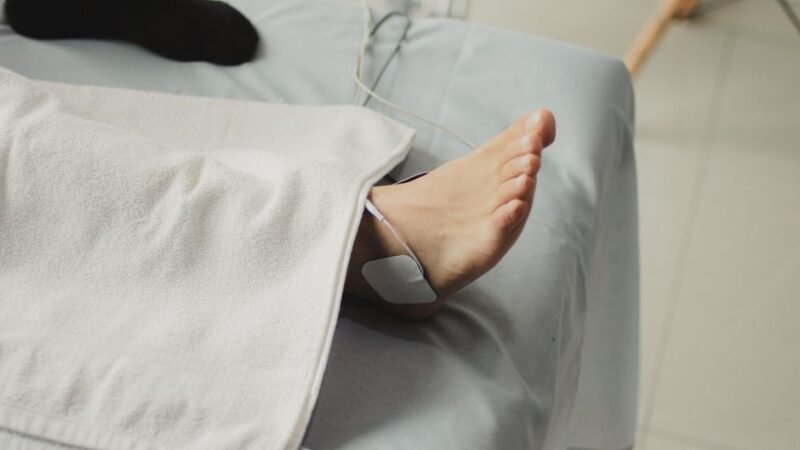
Wearable devices and recovery tools used to track nervous system regulation and stress resilience over time.
A Healthy Dose of Skepticism
Not every neurowellness product on the market is backed by strong evidence. Many devices marketed for “nervous system optimization” have limited independent research behind their specific claims, even when the underlying physiological concepts (like vagal tone or HRV) are legitimate. It’s reasonable to prioritize free, well-supported practices — breathwork, sleep consistency, movement, social connection — before investing in specialized gadgets.
Frequently Asked Questions
Is neurowellness backed by real science?
The underlying concepts — the autonomic nervous system, vagal tone, heart rate variability, and stress physiology — are well established in neuroscience and medicine. However, not every specific product or protocol marketed under the ‘neurowellness’ label has strong independent evidence behind it, so it’s worth evaluating claims individually.
Do I need a wearable device to practice neurowellness?
No. Core practices like slow breathing, consistent sleep timing, and regular movement don’t require any device. Wearables can add useful feedback for people who want to track progress, but they aren’t necessary to get started.
How is neurowellness different from general stress management?
The main distinction is specificity and measurability — neurowellness tends to focus on concrete, repeatable physiological practices (like a specific breathing ratio or timed cold exposure) rather than general advice like ‘try to relax,’ often paired with data to track individual response.
References:


Leave a Reply