Skip to content
Creatine is the most extensively researched sports supplement in history, with over 500 clinical trials and a safety profile spanning decades of use. Yet it has long been associated almost exclusively with male bodybuilders and strength athletes — leaving millions of women missing out on benefits that are, in many cases, more relevant to female biology than male.
In 2026, creatine for women is finally having its moment, driven by growing research on its benefits for brain health, bone density, hormonal health, and perimenopausal symptom management — far beyond muscle alone. This comprehensive guide covers everything women need to know.
What Is Creatine?
Creatine is a naturally occurring compound synthesised in the liver, kidneys, and pancreas from three amino acids: glycine, arginine, and methionine. About 95% of your body's creatine is stored in skeletal muscle, with the remaining 5% in the brain, heart, and other organs.
Its primary function: rapidly regenerating ATP (adenosine triphosphate) — the energy currency your muscles use for explosive movements, heavy lifting, and high-intensity effort. When you sprint or lift heavy, your ATP stores deplete in seconds. Creatine phosphate is the fastest way to recharge them.
Dietary sources include red meat and fish, but only in small quantities. Most people — and virtually all vegetarians and vegans — have chronically suboptimal creatine stores.
Why Women May Benefit Even More Than Men
Here is a striking fact: women typically have 70–80% lower baseline creatine stores than men, relative to their maximum capacity. This means women have more room to benefit from supplementation. Additionally, women's creatine needs fluctuate significantly with the menstrual cycle and hormonal changes during perimenopause and menopause — phases where creatine's benefits are most pronounced.
Evidence-Backed Benefits of Creatine for Women
1. Improved Strength and Lean Muscle Tone
Creatine supplementation combined with resistance training consistently produces greater gains in strength and lean muscle mass compared to resistance training alone — in women as much as men. Research shows women on creatine gain approximately 1.4× more lean mass and strength from the same training programme. This does not mean bulking up — for most women, it means better muscle definition, improved body composition, and a higher resting metabolic rate. Combine with the strength training for fat loss programme for maximum results.
2. Brain Health and Cognitive Function
The brain uses creatine phosphate as an emergency energy buffer during cognitively demanding tasks. Studies consistently show creatine supplementation improves working memory, processing speed, and executive function — with particularly notable effects in women and in sleep-deprived individuals. A 2022 meta-analysis found creatine supplementation significantly improved measures of cognition across multiple domains, making it a compelling daily supplement for women managing cognitive load from demanding careers, parenting, or perimenopause-related brain fog.
3. Perimenopause and Menopause Support
This is perhaps the most exciting emerging area for creatine and women. As oestrogen declines during perimenopause, creatine synthesis decreases, and brain creatine levels drop. Research shows:
- Creatine supplementation mitigates oestrogen-related decreases in muscle mass and bone density
- Reduces perimenopausal brain fog and fatigue
- Supports mood stability (creatine has antidepressant-like effects that are amplified when combined with standard antidepressants)
- Protects against the muscle and bone loss acceleration that characterises the menopausal transition
For women navigating this life stage, creatine is becoming an important tool. See our guide on perimenopause symptoms and natural relief.
4. Bone Density Protection
Creatine enhances the activity of bone-building cells (osteoblasts) and may reduce osteoclast (bone-breaking) activity. For postmenopausal women at risk of osteoporosis — combined with resistance training — creatine supplementation has shown significant benefits for bone density maintenance and improvement.
5. Reduced Fatigue and Better Energy
Women are twice as likely as men to experience fatigue-related disorders, partly due to greater hormonal variability, higher rates of iron deficiency anaemia, and often higher chronic stress loads. Creatine's ability to support ATP regeneration translates to real-world energy improvements — particularly during the luteal phase of the menstrual cycle, when energy naturally dips.
6. Mental Health Support
Creatine has genuine antidepressant properties. Multiple studies show it reduces depressive symptoms independently and potentiates the effects of antidepressant medications. Women are twice as likely to experience depression as men, and hormonal fluctuations (premenstrual dysphoria, postpartum, perimenopause) create regular windows of vulnerability where creatine's neuroprotective and mood-stabilising effects are particularly relevant.
Will Creatine Make Women Bulky or Gain Weight?
This is the most common concern holding women back from creatine — and it deserves a direct, evidence-based answer.
Creatine does cause an initial increase in body weight of approximately 1–2 kg within the first 1–2 weeks. This is entirely due to increased water retention in muscle cells (intracellular water — meaning inside the muscle, not subcutaneous bloating). This water is actually beneficial — it creates a fuller, more defined muscle appearance and supports protein synthesis.
Importantly: this is not fat gain. It is not bloating. It is functional hydration of your muscle tissue. Most women who begin creatine report feeling and looking leaner, not bigger, within weeks of starting.
Creatine Dosage for Women
| Goal | Protocol | Dose | Timing |
|---|---|---|---|
| General health/brain | Maintenance | 3g/day | Any time with food or water |
| Muscle/performance | Maintenance | 3–5g/day | Post-workout ideally |
| Fast saturation (optional) | Loading (5–7 days) | 20g/day split into 4 doses | With meals |
| Perimenopause support | Maintenance | 3–5g/day | With breakfast |
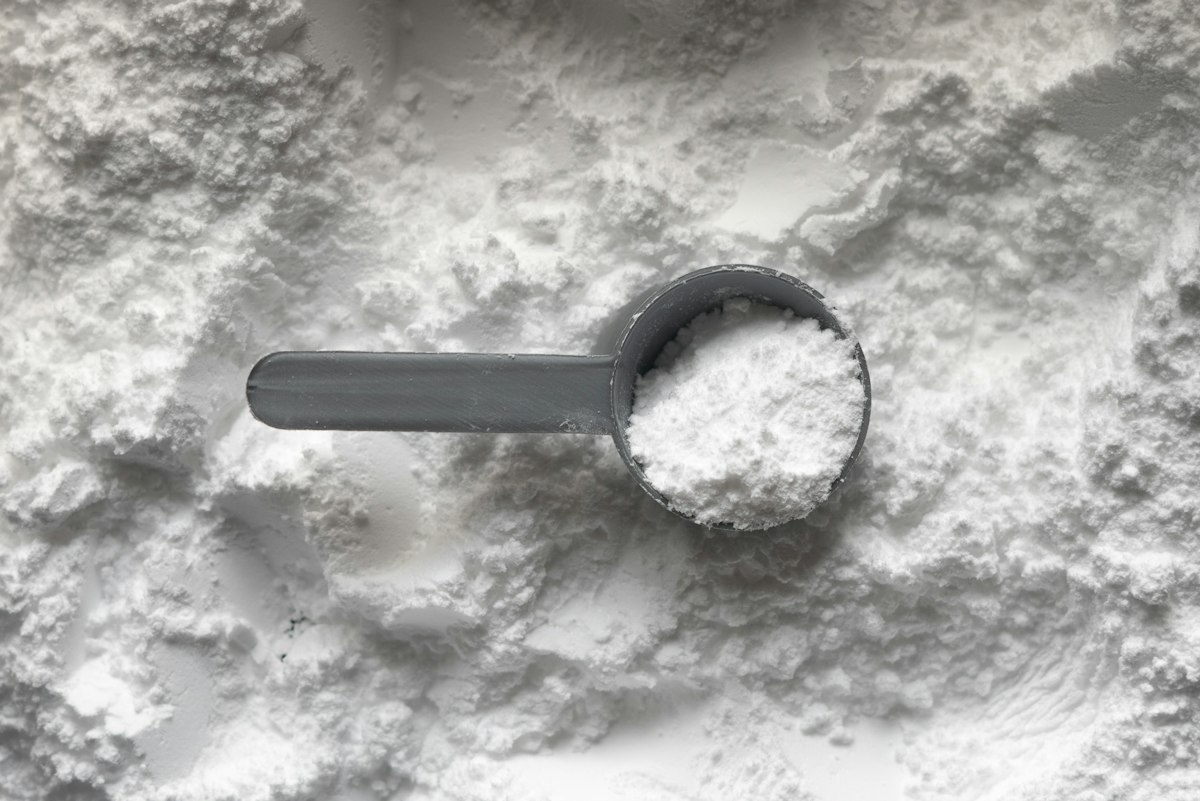
Best form: Creatine monohydrate — this is the most studied, most affordable, and most effective form. Micronised creatine monohydrate dissolves better in water. Avoid expensive "advanced" forms (kre-alkalyn, creatine HCl etc.) — they offer no proven advantage over monohydrate.
Is Creatine Safe for Women?
Creatine monohydrate has an exceptional safety record spanning over 30 years of research with no serious adverse effects in healthy individuals. It is safe for long-term daily use. The kidneys process creatine; people with pre-existing kidney disease should consult their physician. There is insufficient safety data for pregnancy and breastfeeding — avoid during these periods unless medically advised.
Common side effects (usually dose-related):
- Minor GI discomfort if taken in large single doses — take with food to avoid
- Initial weight increase from water retention (as discussed above)
Frequently Asked Questions
Should women take creatine on rest days?
Yes. Creatine works by saturating your muscle creatine stores, so daily supplementation — even on non-training days — is necessary to maintain saturation levels. Daily consistency matters more than timing.
Does creatine affect hormones in women?
No evidence shows creatine disrupts female reproductive hormones. Some research suggests creatine may mildly support DHT (a testosterone metabolite) in men, but this effect is not observed in women at standard doses.
What is the best creatine for women?
Plain unflavoured creatine monohydrate powder. Look for Creapure-certified products (pharmaceutical-grade German creatine monohydrate) or any reputable brand with third-party testing certification.
Conclusion
Creatine may be the most under-utilised supplement in women's health. Its benefits span muscle, brain, mood, bone density, and perimenopausal support — and its safety record is exceptional. At a cost of just a few dollars per month for an effective daily dose, creatine offers an extraordinary value-to-benefit ratio for women at virtually every life stage.