

📋 Table of Contents
GLP-1 receptor agonists like semaglutide (Ozempic, Wegovy) and tirzepatide (Mounjaro, Zepbound) have become some of the most widely prescribed medications for weight management and type 2 diabetes, and search interest in “what to eat on Ozempic” has grown dramatically alongside their use. Because these medications dramatically reduce appetite and slow digestion, what you eat becomes more important, not less — smaller intake windows mean less room for nutritional gaps.
How GLP-1 Medications Affect Eating
GLP-1 medications mimic a naturally occurring gut hormone that slows gastric emptying and signals fullness to the brain earlier and more strongly than usual. The result is a significant, often dramatic, reduction in appetite and overall food intake. While this drives weight loss, it also means people are eating meaningfully less food overall — which raises the risk of inadequate protein, fiber, and micronutrient intake if food choices aren’t intentional.
The #1 Nutrition Priority: Protecting Muscle
Clinical trials on GLP-1 medications have found that a notable proportion of weight lost can come from lean mass (muscle), not just fat, particularly when protein intake and resistance exercise are inadequate. Because of this, most obesity medicine specialists now emphasize prioritizing protein intake and strength training as a core part of GLP-1 treatment, not an optional add-on. General guidance from prescribing physicians often targets 60–100g of protein daily depending on body size, spread across meals since appetite may only allow small portions at a time.
What to Prioritize Eating
- Protein first, at every meal — eggs, Greek yogurt, lean meat, fish, tofu, or a protein shake when appetite is very limited, prioritized before other foods on the plate.
- Fiber-rich vegetables — in modest portions, since fiber combined with delayed gastric emptying can sometimes worsen fullness or bloating; smaller, more frequent vegetable portions tend to work better than large servings.
- Healthy fats in moderation — avocado, olive oil, and nuts support hormone health and satiety, but high-fat meals can also slow digestion further and worsen nausea for some people, so portion size matters.
- Adequate fluids — appetite suppression often reduces thirst cues too, so intentional water intake between meals (not during, to avoid over-fullness) helps prevent dehydration and constipation.
- A daily multivitamin — discussed with a prescribing physician, as a safety net for the reduced overall food volume.

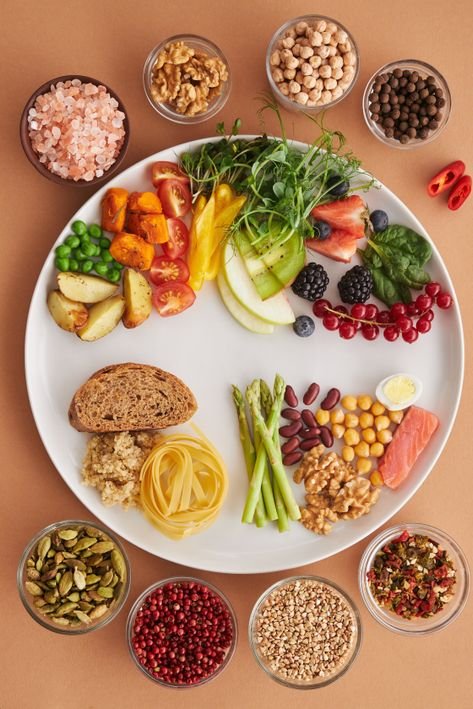
Small, protein-forward, nutrient-dense meals work best given the appetite suppression from GLP-1 medications. Photo: Pexels
Managing Common Side Effects
Nausea, constipation, and early fullness are the most commonly reported side effects, especially during dose increases. Eating smaller, more frequent meals rather than three large ones, chewing thoroughly, eating slowly, and avoiding lying down immediately after eating can all help. Constipation, driven by slowed gut motility, often responds well to the combination of adequate fiber, fluids, and light daily movement like walking.
High-protein shakes, portion-control containers, and meal prep tools designed to support small, nutrient-dense meals.
Foods That Tend to Worsen Side Effects
Very high-fat or fried foods, large portions, carbonated drinks, and alcohol tend to be the most commonly reported triggers for nausea and discomfort on GLP-1 medications, since they further slow an already-delayed digestive process. Most people find they need to reduce portion sizes across the board and pay closer attention to how specific foods feel, since individual tolerance varies significantly.
Frequently Asked Questions
Do I need to eat differently on Ozempic or Wegovy?
Yes, meaningfully. Because appetite and food volume drop significantly, prioritizing protein, fiber, and nutrient density at each smaller meal becomes more important than on a typical diet, to avoid muscle loss and nutritional gaps.
How much protein should I eat on a GLP-1 medication?
Many obesity medicine specialists recommend roughly 60–100g of protein daily depending on body size and activity level, spread across meals. This should be discussed individually with your prescribing physician or a registered dietitian.
Why am I losing muscle on Ozempic?
Any significant weight loss, including from GLP-1 medications, risks losing some lean muscle mass alongside fat if protein intake and resistance exercise aren’t prioritized. Combining adequate protein with strength training two to three times a week is the most effective way to protect muscle during treatment.
References:

Leave a Reply