


While hair care products get most of the attention, the nutrients you eat play a foundational role in hair strength, shine, and growth. Several common fruits offer genuine, nutrient-backed support for healthier hair from within.
6 Fruits That Support Healthy Hair
1. Berries: Antioxidant Powerhouses
Berries’ high vitamin C content supports collagen production, a protein important for hair structure, while their antioxidants help protect hair follicles from oxidative stress that can contribute to premature thinning.
2. Avocado: The Creamy Hair Superfood
Avocado’s healthy monounsaturated fats and vitamin E support scalp health and hair shine, working both as a dietary addition and, for some people, as a topical hair mask ingredient.
3. Citrus Fruits: Vitamin C Boosters
Oranges, lemons, and grapefruits provide substantial vitamin C, essential for collagen synthesis and for supporting iron absorption from plant foods — iron deficiency being a well-documented contributor to hair thinning.
4. Bananas: Nature’s Moisturizers
Bananas provide biotin, potassium, and natural oils that support hair moisture and elasticity, commonly used in both dietary and topical hair mask applications.
5. Pineapple: Enzymatic Hair Care
Pineapple’s manganese content supports collagen production relevant to hair structure, while its enzyme bromelain has anti-inflammatory properties that may support a healthier scalp environment.
6. Apples: Scalp Health Guardians
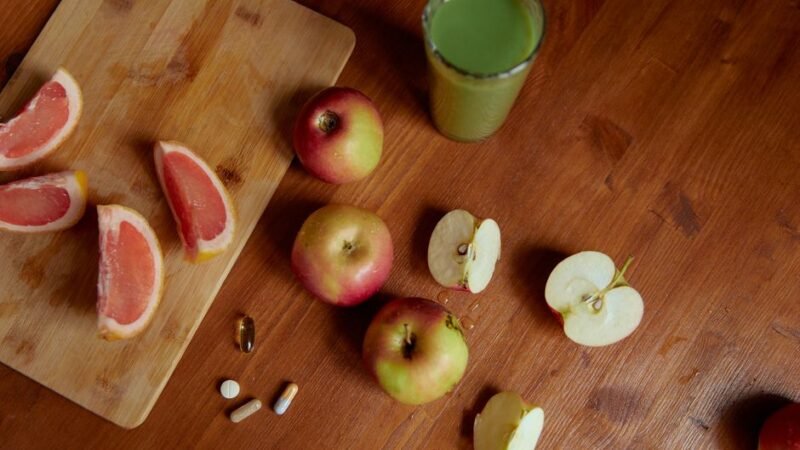
Apples provide vitamin C and fiber, and some traditional practices use apple cider vinegar (derived from apples) as a scalp rinse to help balance scalp pH and reduce buildup, though direct research on fresh apples specifically for hair is more limited than for the other fruits listed.
Dietary Intake vs. Topical Application
Eating these fruits supports hair health through providing the nutrients hair follicles need to produce strong, healthy strands over time — a gradual, foundational approach. Topical application (like mashed avocado or banana hair masks) can provide additional surface moisture and shine, but works differently and more superficially than nutrients absorbed through digestion, which support hair from the follicle outward.
A Realistic Timeline for Results
Since hair grows slowly (roughly 1-1.5cm per month) and a strand takes weeks to fully form, dietary changes take time to show visible effects — typically 2-3 months of consistent nutrient intake before noticeable improvements in new hair growth quality.
Frequently Asked Questions
Can eating these fruits alone fix hair loss?
These fruits can support the nutritional foundation for healthy hair growth, particularly if a nutrient deficiency is contributing to hair issues, but significant hair loss often has multiple causes (including genetics, hormones, and medical conditions), so persistent hair loss warrants evaluation by a dermatologist rather than relying on diet alone.
Should I eat these fruits or apply them directly to my hair?
Both approaches have value and aren’t mutually exclusive. Eating them supports hair growth from within over time, while topical application can provide more immediate surface benefits like added shine and moisture, so combining both approaches offers the most complete support.
How long before I see results from eating more hair-healthy fruits?
Because hair grows slowly, most people need at least 2-3 months of consistent dietary improvement before noticing visible changes in new hair growth quality, texture, or reduced shedding.
Subscribe Free →


Leave a Reply