

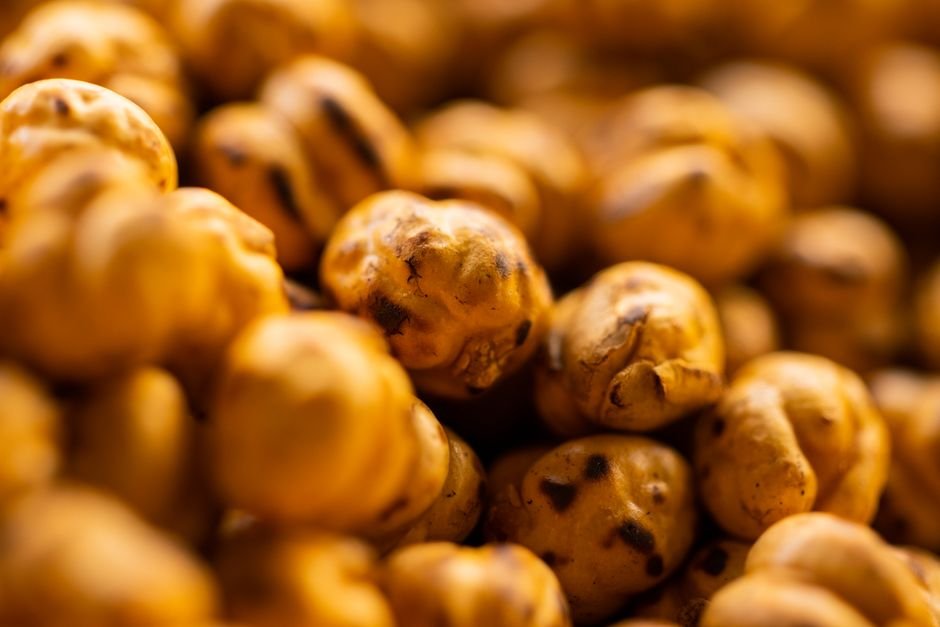
Roasted chana (roasted chickpeas) is a humble, widely available snack that punches well above its weight nutritionally — a satisfying combination of protein, fiber, and micronutrients in a shelf-stable, portable form.
Nutritional Content of Roasted Chana
A 100g serving of roasted chana provides roughly 360 calories, 20g protein, 10g fiber, and meaningful amounts of iron, folate, magnesium, and manganese — a nutrient profile that compares favorably to many popular packaged snacks at a fraction of the cost.
12 Evidence-Based Benefits of Roasted Chana
1. Digestive Health
Chana’s high fiber content, including resistant starch, supports regular bowel movements and feeds beneficial gut bacteria, contributing to overall digestive health.
2. Sustained Energy
The combination of complex carbohydrates, protein, and fiber provides a slow, sustained energy release rather than the rapid spike and crash associated with simple carbohydrate snacks.
3. Weight Management Support
Roasted chana’s protein and fiber combination promotes satiety, helping control appetite and reduce overall calorie intake when used as a snack replacement for lower-nutrient options.
4. Blood Sugar Regulation
Chana has a low glycemic index, and its fiber slows glucose absorption, making it a favorable snack choice for blood sugar management, including for people with diabetes or prediabetes.
5. Rich Source of Plant Protein
Roasted chana is a valuable plant protein source, particularly useful for vegetarians and vegans working to meet daily protein needs.
6. Antioxidant Properties
Chickpeas contain polyphenol antioxidants that help combat oxidative stress, contributing to chana’s broader disease-prevention potential.
7. Heart Health
The fiber, potassium, and plant protein in chana are each independently associated with improved cardiovascular risk markers, including modest reductions in LDL cholesterol.
8. Bone Health
Chana provides calcium, phosphorus, and magnesium, all relevant to maintaining bone density over time.
9. Iron Source
Chana is a meaningful plant-based iron source, useful for preventing iron deficiency, particularly when paired with vitamin C-rich foods to enhance absorption.
10. Supports Healthy Cholesterol
Regular legume consumption, including chickpeas, is linked in research to improved lipid profiles as part of an overall balanced diet.
11. Convenient, Portable Nutrition
Roasted chana’s shelf stability and portability make it a practical, minimally processed alternative to packaged snack foods for on-the-go nutrition.
12. Budget-Friendly Nutrition
Chana is among the most cost-effective sources of plant protein and fiber available, making it an accessible nutritional choice across income levels.
Precautions and Considerations
Chana can cause bloating or gas in some people due to its fermentable fiber and oligosaccharide content, particularly with sudden increases in intake — introducing it gradually helps minimize this. Store-bought seasoned varieties can be high in added sodium or oil, so checking labels or roasting your own with minimal added salt is the healthier choice.
Frequently Asked Questions
How much roasted chana can I eat per day?
A serving of roughly 30-50g (about a small handful) daily fits well into most balanced diets and provides meaningful protein and fiber without excessive calorie intake. Those new to eating more legumes should start smaller to assess digestive tolerance.
Is store-bought roasted chana as healthy as homemade?
It depends on the preparation. Plain, dry-roasted chana with minimal added salt or oil is comparable to homemade. Heavily seasoned, fried, or high-sodium store-bought varieties lose some of the nutritional advantage, so checking the ingredient list is worthwhile.
Can roasted chana help with weight loss?
Yes, as part of an overall calorie-appropriate diet. Its protein and fiber content promote fullness, making it a satisfying lower-calorie alternative to processed snack foods, which can support weight management goals when used as a direct replacement.
Subscribe Free →

Leave a Reply