

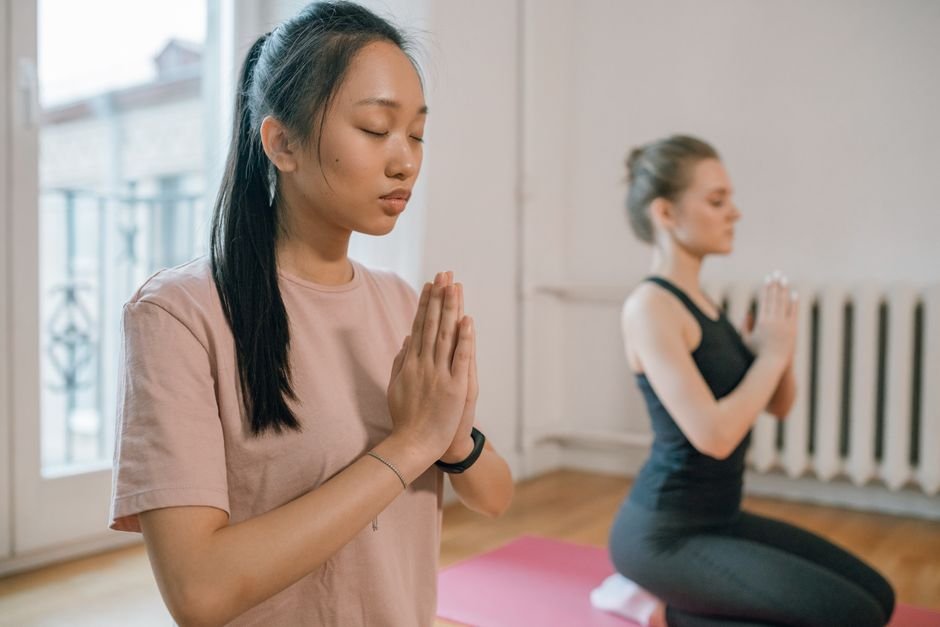
Meditation has been practiced for thousands of years, but its place in modern mental health care has grown dramatically as research has caught up with what practitioners have long reported: that a consistent meditation practice can meaningfully shift how the mind responds to stress, anxiety, and difficult emotions.
Understanding What Meditation Actually Is
At its core, meditation is a family of techniques that train attention and awareness, often through focusing on the breath, a mantra, or present-moment sensation, with the goal of achieving a mentally clear and emotionally calm state. Modern meditation research spans several distinct styles — mindfulness meditation, transcendental meditation, loving-kindness meditation, and body-scan techniques among them — each with somewhat different mechanisms but overlapping benefits.
The Link Between Meditation and Mental Health
Neuroimaging studies have found that consistent meditation practice is associated with measurable changes in brain regions involved in emotional regulation, including reduced amygdala reactivity (the brain’s threat-detection center) and increased activity in the prefrontal cortex, which governs rational thought and impulse control. This isn’t just a subjective feeling of calm — it reflects a genuine, trainable shift in how the brain processes stress and emotional triggers over time.
Stress Reduction Through Meditation
Meditation activates the parasympathetic nervous system, counteracting the sympathetic ‘fight or flight’ response that drives chronic stress. Multiple randomized controlled trials have found that structured programs like Mindfulness-Based Stress Reduction (MBSR) produce meaningful, measurable reductions in cortisol and self-reported stress after 8 weeks of consistent practice. If chronic stress is a particular concern for you, our broader guide to stress management covers additional evidence-based techniques that complement meditation.
Meditation and Anxiety Management
A meta-analysis published in JAMA Internal Medicine, reviewing dozens of clinical trials, found that mindfulness meditation programs produced moderate improvements in anxiety symptoms, with effects comparable in some studies to those seen with certain first-line anxiety treatments. The mechanism appears to involve training the mind to observe anxious thoughts without automatically reacting to them, gradually reducing anxiety’s grip over time.
Meditation’s Impact on Depression
Mindfulness-Based Cognitive Therapy (MBCT), which combines meditation with cognitive therapy techniques, has strong clinical trial evidence specifically for preventing depression relapse in people with a history of recurrent depressive episodes, with some studies finding it as effective as maintenance antidepressant medication for this specific purpose.
Enhancing Emotional Well-Being
Beyond addressing specific conditions, regular meditation practice is associated with improvements in overall emotional regulation, increased positive emotion, and greater resilience to everyday stressors, likely reflecting the cumulative effect of repeatedly practicing non-reactive awareness of thoughts and feelings.
Meditation for Improved Focus and Concentration
Because meditation is fundamentally an attention-training exercise, regular practitioners show measurable improvements in sustained attention and reduced mind-wandering on cognitive tests, benefits that extend beyond the meditation session itself into daily tasks requiring focus.
How to Start a Meditation Practice
Beginners often overestimate how long or ‘perfect’ a session needs to be to count. Starting with just 5-10 minutes daily, focusing on the breath and gently returning attention whenever the mind wanders (which it will, repeatedly — this is normal and part of the practice, not a failure), is enough to begin building the skill. Guided meditation apps can provide helpful structure while you’re learning the basic technique, and consistency matters more than session length, particularly in the first few weeks.
When Meditation Isn’t Enough on Its Own
Meditation is a genuinely valuable tool, but it isn’t a replacement for professional treatment when mental health symptoms are significant or persistent. The National Institute of Mental Health’s guidance on caring for your mental health is a useful starting point for understanding when to seek additional support. If you’re experiencing persistent low mood, anxiety that interferes with daily functioning, or thoughts of self-harm, reaching out to a mental health professional is an important next step — meditation can be a valuable complement to that care, but shouldn’t be relied on as a sole intervention for significant symptoms.
Frequently Asked Questions
How long does it take for meditation to improve mental health?
Many people notice acute calming effects within a single session, but the more lasting changes to stress reactivity and emotional regulation typically develop over 8 weeks of consistent practice, based on the timeline used in most clinical trials of structured meditation programs.
Can meditation replace therapy or medication for anxiety and depression?
For mild symptoms, meditation can be a genuinely effective standalone tool. For moderate to severe anxiety or depression, meditation works best as a complement to, not a replacement for, professional treatment such as therapy or medication, and should be discussed with a mental health professional as part of a broader treatment plan.
What if I can’t stop my thoughts during meditation?
This is one of the most common misconceptions about meditation — the goal isn’t to stop thoughts entirely, which isn’t realistic, but to notice when your mind wanders and gently return your attention to your point of focus, like the breath. This repeated noticing-and-returning is actually the core skill being trained, not a sign you’re doing it wrong.
Subscribe Free →




Leave a Reply